

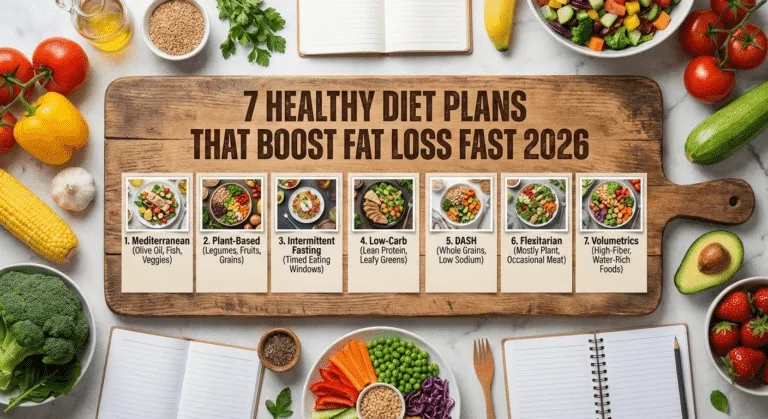
Losing weight isn’t about finding one perfect diet — it’s about using habits that hold up under real life: busy schedules, cravings, and setbacks. Below are the weight loss tips that work, based on patterns confirmed by U.S. government health data, registered dietitians, and clinical weight-management research, not fads that disappear by next season.
Quick Reply:
The weight loss tips that work best combine a modest calorie deficit (about 500 calories a day), 150+ minutes of weekly exercise, protein-rich meals, 7–9 hours of sleep, and consistent tracking. According to the CDC, people who lose 1–2 pounds per week through these combined habits are more likely to keep the weight off long-term compared to those using extreme, short-term diets.
Points To Be Noted
- Slow and steady wins: Losing 1–2 pounds a week is the pace most health experts, including the CDC and Mayo Clinic, recommend for lasting results.
- Diet matters more than exercise alone: Nutrition experts estimate that eating habits drive roughly 70–80% of weight loss outcomes, while movement supports muscle retention and metabolism.
- Consistency beats intensity: Short bursts of extreme dieting rarely outperform steady, sustainable changes over 3–6 months.
- Sleep and stress are underrated factors: Poor sleep disrupts hunger hormones (ghrelin and leptin), making cravings harder to control.
- Local support helps: Whether you’re in New York, Los Angeles, Chicago, or a smaller town, nearby clinics, dietitians, and community fitness programs can add accountability that apps alone don’t provide.
How to Lose Weight:
People asking how to lose weight have already tried one that didn’t work. It is typically a strategy problem, not a willpower one! There are three key components to sustainable weight loss: a manageable calorie deficit, adequate protein and fiber to keep you satiated, and activity you’re able to do.

Most healthy adults lose between 1 and 1.5 pounds a week, or a deficit of 500 to 750 calories per day, according to the National Institutes of Health (NIH). Eating below those levels – for women under 1,200 calories a day, for men under 1,500 without medical guidance – can have a paradoxical effect, leading to a drop in metabolism and cycles of binging and purging.
Why Crash Diets Don’t Last Long
Crash diets are quick fixes which are short-lived. If the person eats fewer calories than he or she needs, the body adapts in various ways, such as conserving energy, using muscle not fat for fuel, and sending out more hunger signals. The review, published in the journal Obesity Reviews in 2023, revealed that about 80% of individuals who lose weight on very-low-calorie diets are able to regain most of the weight within two years. That’s why diet tips are effective and target lifestyle changes that can be done for years, and not just weeks.
The following are effective tips to help you start your diet.
The diet tips that are most consistently supported by dietitians and by clinical nutrition research are the most effective:
Eat protein at each meal. Protein helps to maintain muscle mass and helps curb hunger during weight loss. Try to have 20-30 grams per meal – this is the amount of protein that is equivalent to a handful of your favorite foods such as eggs, greek yogurt, chicken, tofu, or lentils.
Have half of your portion covered with vegetables. This naturally decreases the calorie density without leaving you feeling hungry.
First, eliminate liquid calories. The easiest calories to cut are the ones found in sodas, sweetened coffee beverages and alcohol. Eat slower and smaller bites. Researchers at Cornell’s Food and Brand Lab discovered that the amount consumed is directly influenced by the size of the plate and the pace at which people eat.
Plan what to eat 1-2 days in advance. In consumer nutrition surveys, people who meal-plan are much less likely to order take-out at the last minute.
Monitor food consumption for 2+ weeks. A basic notes-app log can bring about an increased awareness of hidden calories in sauces, snacks and drinks.
Best Exercises for Weight Loss
Exercise doesn’t typically lead to significant weight loss on its own but is crucial to maintaining weight loss and preserving muscle mass. CDC’s guidelines call for at least 150 minutes of moderate aerobic exercise each week, plus two days of strength training.
Cardio Training vs. Strength Training to Burn Fat.
Strength Training vs. Cardio Training for Fat Loss.
Increase the number of pumps in the water (swim) Build muscle at the gym (weights)
These calories are burned by a session of each type: Moderate to high Low to moderate
High Boost metabolism after workout Short term Longer lasting (24-48 hrs)
The latter is ideal for toning and long-term fat loss while the former is well suited for fast calorie burning and heart health. Recommended frequency – 3-5 days/week – 2-3 days/week
The best weight loss tips that are effective include both cardio to burn calories and consistency, strength training to help you avoid losing muscle mass and thus the weight loss is fat instead of lean tissue.
Sleep, Stress, and Weight
Food and activity aren’t the only things involved in weight loss. According to The Sleep Foundation, adults who sleep less than 6 hours a night are much more likely to have hunger and cravings for high-calorie foods the following day. Chronic stress increases cortisol, which is associated with belly fat. Simple changes, such as sticking to a regular bedtime, going for a 10-minute stroll outside each day or cutting back on the amount of screen time before bed can help boost weight loss as effectively as making changes to a diet plan. Get more info from 4wnews.
Find Local Support
As of 2026 there are more weight loss programs, nutritionists and fitness coaches available nationwide, with many having both in-person and telehealth options.
Registered dietitian practices and hospital affiliated weight management clinics are plentiful in and around New York City (Brooklyn, Jersey City, and Newark) and may be covered in part by insurance.
Los Angeles and its surrounding neighborhoods (Pasadena, Long Beach, Santa Monica): a high number of certified personal trainers and outdoor group fitness classes that can help you stay active regularly.
Chicago and neighboring suburbs (Evanston, Naperville, Oak Park): There are several large hospital systems offering physician-guided weight loss programs.
Houston and surrounding areas (Sugar Land, The Woodlands): Combination of community health center nutrition counseling and private weight-loss clinics.
When looking for a weight loss coach near me, or a nutritionist near me, you should first consult your primary care provider and ask for a referral many insurance plans will cover visits for nutrition counseling, especially if you have a BMI over 30 and/or a related health condition such as prediabetes.
Here are some common mistakes that are holding you back from losing weight.
Even those who have fairly good habits can get into a rut. The most frequently encountered problems, as reported by weight management clinicians are:
Serving too little of portions, particularly when using cooking oils and nuts
Not decreasing calorie needs as weight decreases (a lighter body requires less calories to sustain itself)
Overestimating calories burned during exercise
Failing to include strength training in your workout routine (decreases metabolism over time)
Linear progression – weight is always going to vary from day to day with water retention and hormones.
Finally
Losing weight tips that work aren’t quite flashy, but they’re nothing but simple truths: lose calories consistently, eat plenty of protein, exercise regularly, sleep well, and be patient. It doesn’t matter if you live in New York, Los Angeles, Chicago, Houston or a smaller town nearby, the basics remain the same and your local options, such as registered dietitians, physician-supervised programs and community fitness groups can help make those habits easier to keep. Beginning with a couple of changes for the week and continue adding more as you go.