


Good health is rarely built through one big change. It usually comes from small choices repeated every day. The way a person sleeps, eats, moves, drinks water, and manages stress can shape energy levels, mood, and long-term wellness. That is why Daily Habits matter so much. Simple routines often do more for overall health than short bursts of extreme effort.
The strongest Daily Habits are realistic, steady, and easy to repeat. A healthy life does not require perfection. It requires patterns that support the body and mind over time. Research from major health organizations continues to show that sleep, nutrition, physical activity, hydration, stress management, and preventive care all play a key role in better health outcomes.
Daily Habits That Build Better Health
Healthy living often looks simple from the outside, but it depends on consistent decisions. The most effective Daily Habits are the ones that fit into normal life and continue even on busy days.
These habits support heart health, metabolic function, mental well-being, and overall resilience. Public health guidance also points to the same core behaviors again and again: eat well, move often, sleep enough, manage stress, stay hydrated, and keep up with preventive care.
Start the Day With A Routine
The first hour of the day can influence focus and energy. A simple morning routine helps reduce stress and gives structure to the rest of the day.
Helpful morning actions may include:
- Waking up at a consistent time
- Drinking water soon after waking
- Getting natural light exposure
- Eating a balanced breakfast if hungry
- Avoiding immediate phone overload
Morning light is especially useful because it helps regulate the body clock, which supports better sleep and alertness later in the day.
Eat Balanced Meals Every Day
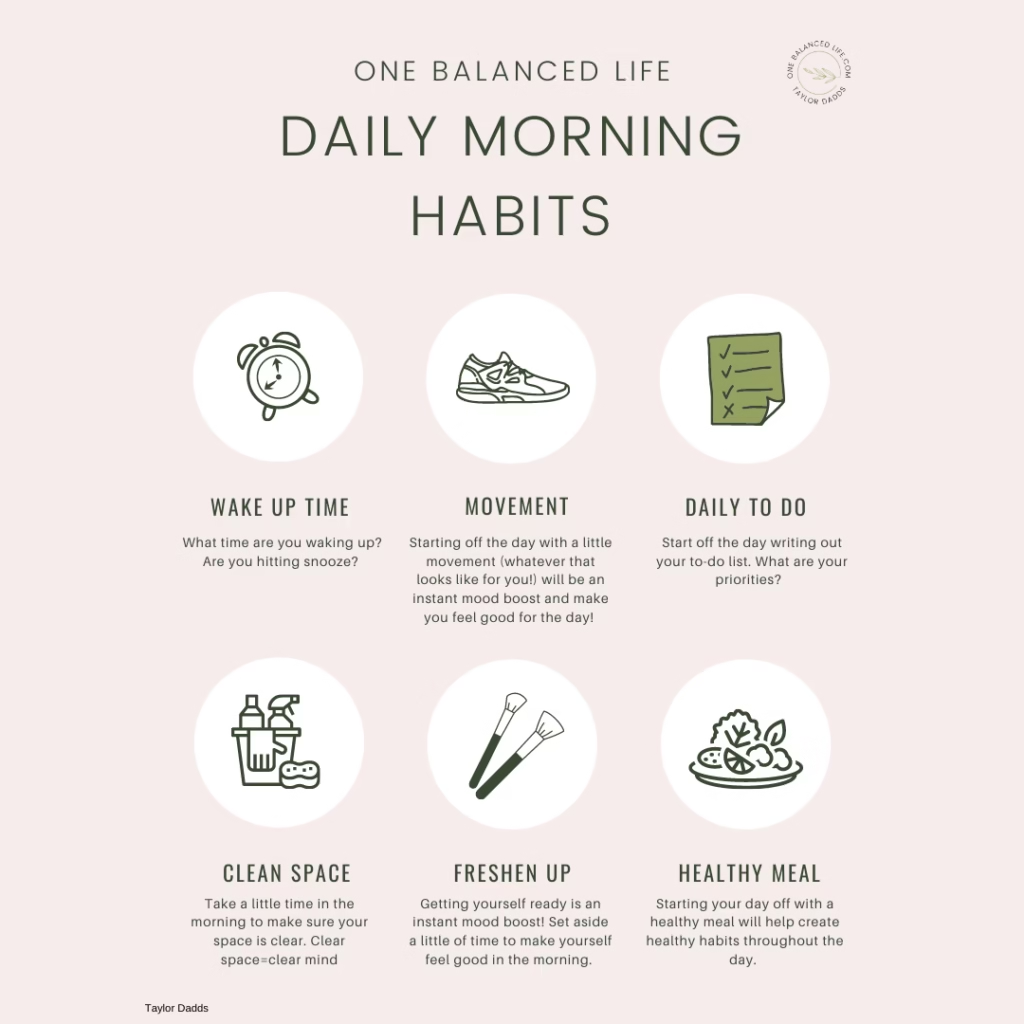
Food choices are among the most important Daily Habits because the body depends on a regular supply of nutrients. A healthy eating pattern does not need to be complicated. It should mainly include fruits, vegetables, whole grains, lean protein sources, and healthy fats.
The World Health Organization and other major health bodies recommend limiting excess salt, free sugars, and unhealthy fats while increasing intake of plant foods and fiber-rich choices. These eating patterns are linked with lower risk of heart disease, obesity, and type 2 diabetes.
Build Smarter Plates
Balanced meals are easier when the plate has variety. Instead of focusing only on calories, it helps to think about food quality.
A practical meal pattern can include:
- Half the plate from vegetables and fruits
- A portion of whole grains
- A source of protein such as beans, eggs, fish, poultry, yogurt, or lentils
- Healthy fats in moderate amounts, such as nuts, seeds, or olive oil
This approach supports satiety and helps maintain stable energy through the day. Diets rich in minimally processed foods are also associated with better long-term health outcomes.
Keep Portions Realistic
Overeating can happen even with healthy foods. One of the better Daily Habits is learning to eat until satisfied rather than overly full.
Simple ways to manage portions include eating slowly, reducing distracted eating, and serving meals on regular plates instead of grazing from large containers. Slower eating may help people notice fullness cues more effectively.
Make Movement Part Of Life
Physical activity is one of the most valuable Daily Habits because it supports almost every system in the body. Regular movement improves heart health, muscle strength, bone health, insulin sensitivity, and mood. It also lowers the risk of several chronic diseases.
Adults are generally advised to get at least 150 minutes of moderate-intensity aerobic activity each week, plus muscle-strengthening activities on two or more days. That can sound like a lot, but it becomes manageable when broken into short daily sessions.
Choose Activity You Can Repeat
The best exercise plan is the one that fits real life. A person does not need a gym membership to become more active.
Useful options include:
- Brisk walking
- Cycling
- Home workouts
- Stretching or mobility work
- Taking stairs
- Light strength training
- Active household chores
Consistency matters more than intensity at the start. Even short movement breaks during long sitting periods can help reduce sedentary time, which is linked with health risks.
Protect Muscle And Mobility
Healthy Daily Habits should include more than cardio. Strength and balance also matter, especially with age.
Resistance training helps preserve muscle mass and physical function. Balance and flexibility work can support stability and reduce fall risk in older adults. These habits become increasingly important across adulthood, not only later in life.
Prioritize Sleep Every Night
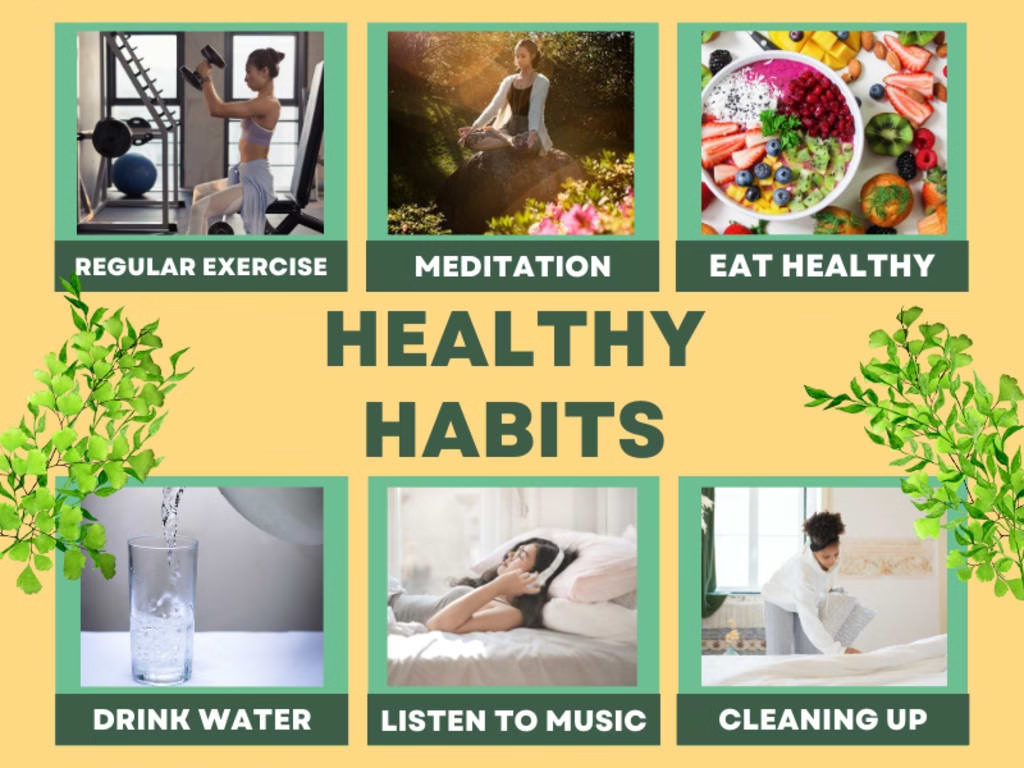
Sleep is often the first thing people sacrifice, yet it is one of the most powerful Daily Habits for overall health. Sleep supports memory, mood regulation, immune function, metabolism, and recovery. Poor sleep over time has been linked with increased risk of obesity, cardiovascular disease, and impaired daytime performance.
Most adults need at least 7 hours of sleep per night on a regular basis. The quality of sleep matters too, not just the number of hours in bed.
Create A Better Sleep Pattern
Better sleep often starts with routine. Going to bed and waking up at similar times each day can improve sleep consistency.
Helpful sleep habits include:
- Keeping a regular sleep schedule
- Limiting heavy meals late at night
- Reducing caffeine too close to bedtime
- Keeping the bedroom dark, quiet, and cool
- Reducing screen exposure before sleep
Even small changes in sleep hygiene can improve rest when practiced consistently.
Stay Hydrated Through The Day
Hydration is one of the simplest Daily Habits, yet many people overlook it. Water supports temperature control, digestion, circulation, and normal body function. Fluid needs vary based on age, climate, body size, and activity level, so there is no single amount that works for everyone.
A practical approach is to drink water regularly during the day and increase fluids with exercise, heat, or illness. Pale yellow urine is often used as a rough sign of adequate hydration, though individual needs differ.
Make Water Easier To Remember
Some people do not drink enough simply because they forget. Building small reminders into the day can help.
Good hydration habits include:
- Drinking water after waking
- Keeping a bottle nearby
- Choosing water with meals
- Drinking before and after activity
- Limiting sugar-heavy drinks
Replacing sugary beverages more often with water can also help reduce excess calorie and sugar intake.
Manage Stress In Healthy Ways
Stress is part of life, but unmanaged stress can affect sleep, mood, blood pressure, eating patterns, and concentration. Strong Daily Habits should include ways to regulate stress before it begins to shape health negatively.
Healthy stress management does not remove every problem. It helps the body and mind recover more effectively.
Use Simple Stress-Relief Practices
Daily stress management can be realistic and brief. It does not always require long sessions or major lifestyle changes.
Useful practices may include:
- Deep breathing
- Short walks
- Prayer or meditation
- Journaling
- Taking breaks from nonstop work
- Talking with supportive people
- Spending time outdoors
Even a few minutes of mindful breathing or quiet reflection can help lower tension and improve emotional control in the moment.
Protect Health With Preventive Care
Not all Daily Habits happen at home. Some of the most important health-supporting habits include regular checkups, screening awareness, oral care, handwashing, and staying up to date with vaccines when appropriate.
Preventive care helps detect problems early and reduces risk from avoidable illness. Oral health also matters because it is linked with overall well-being, including nutrition and quality of life. Hand hygiene remains one of the simplest ways to reduce the spread of infection.
Small Protective Habits Matter
A healthy life often depends on repeated protective actions, such as:
- Brushing and flossing regularly
- Washing hands at key times
- Keeping medical appointments
- Monitoring blood pressure if advised
- Following age-appropriate screenings
These steps may seem ordinary, but they support long-term health in meaningful ways.
Build Habits That Actually Last

The hardest part of healthy living is often consistency. Many people try to change everything at once, then stop after a few days. Strong Daily Habits usually grow from small steps that are easy to repeat.
Behavior research often shows that habit formation works better when the action is specific, realistic, and tied to an existing routine. For example, drinking water after brushing teeth or taking a walk after lunch can make a new behavior easier to maintain.
Make Healthy Changes More Practical
To make Daily Habits stick, it helps to:
- Start with one or two changes
- Keep goals measurable
- Track progress simply
- Prepare the environment in advance
- Expect setbacks without quitting
Progress matters more than perfection. A missed day does not erase a healthy pattern. What matters most is returning to the routine and continuing to build from there.
Simple Steps That Support Wellness
A healthy life is usually built through repeatable actions, not extreme routines. Daily Habits such as sleeping well, eating balanced meals, moving often, drinking enough water, managing stress, and keeping up with preventive care can support better energy and long-term health.
The most effective Daily Habits are not the most dramatic ones. They are the ones a person can continue through normal life, busy schedules, and changing seasons. When healthy choices become regular, they begin to shape a stronger and more stable foundation for well-being.