

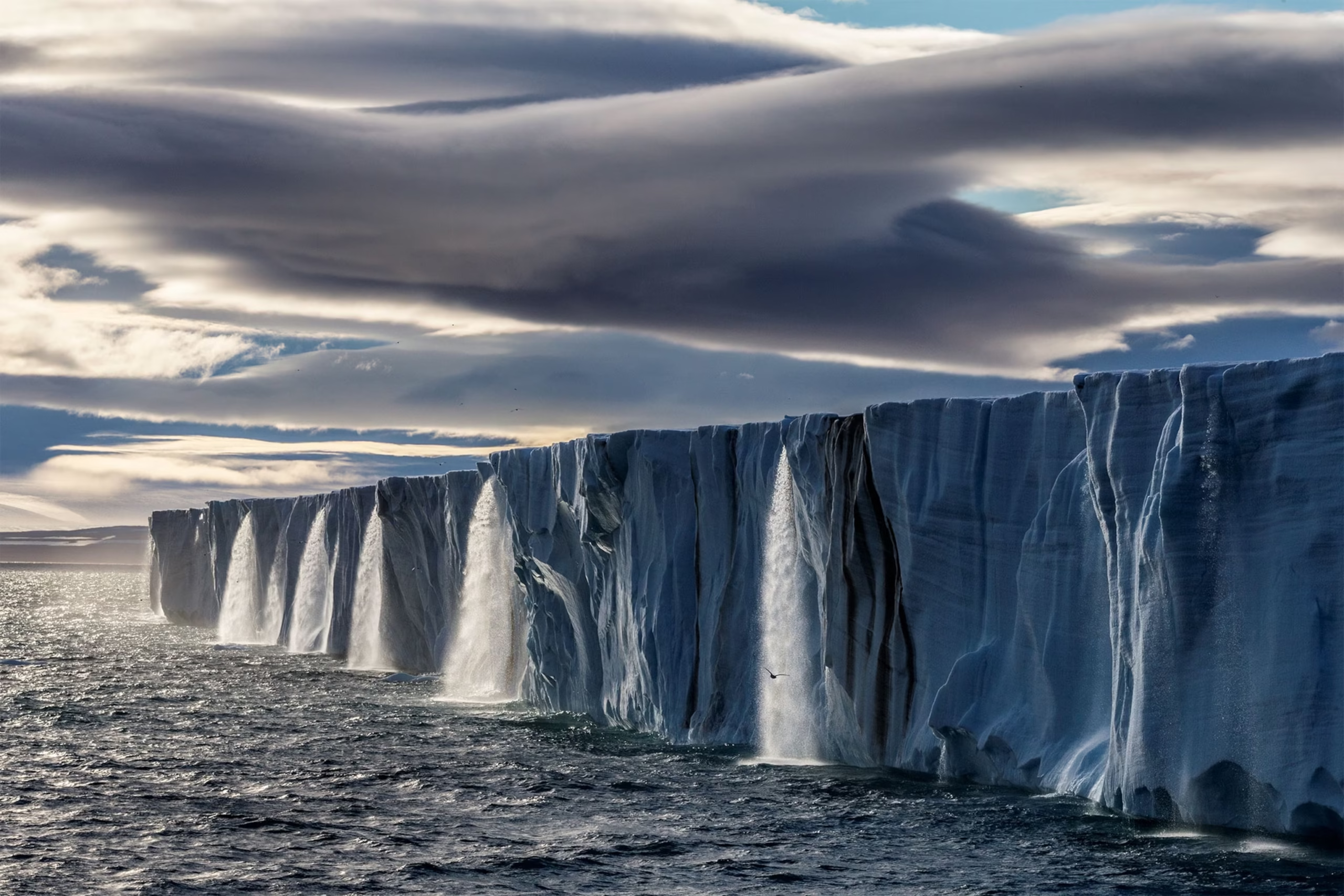
A massive Antarctic ice giant, often dubbed the “Doomsday Glacier,” is melting faster than scientists once feared, raising fresh concerns about rising seas and long-term global impact. New research paints a troubling picture of what lies ahead if current trends continue.
Scientists Raise Alarm Over Rapid Ice Loss
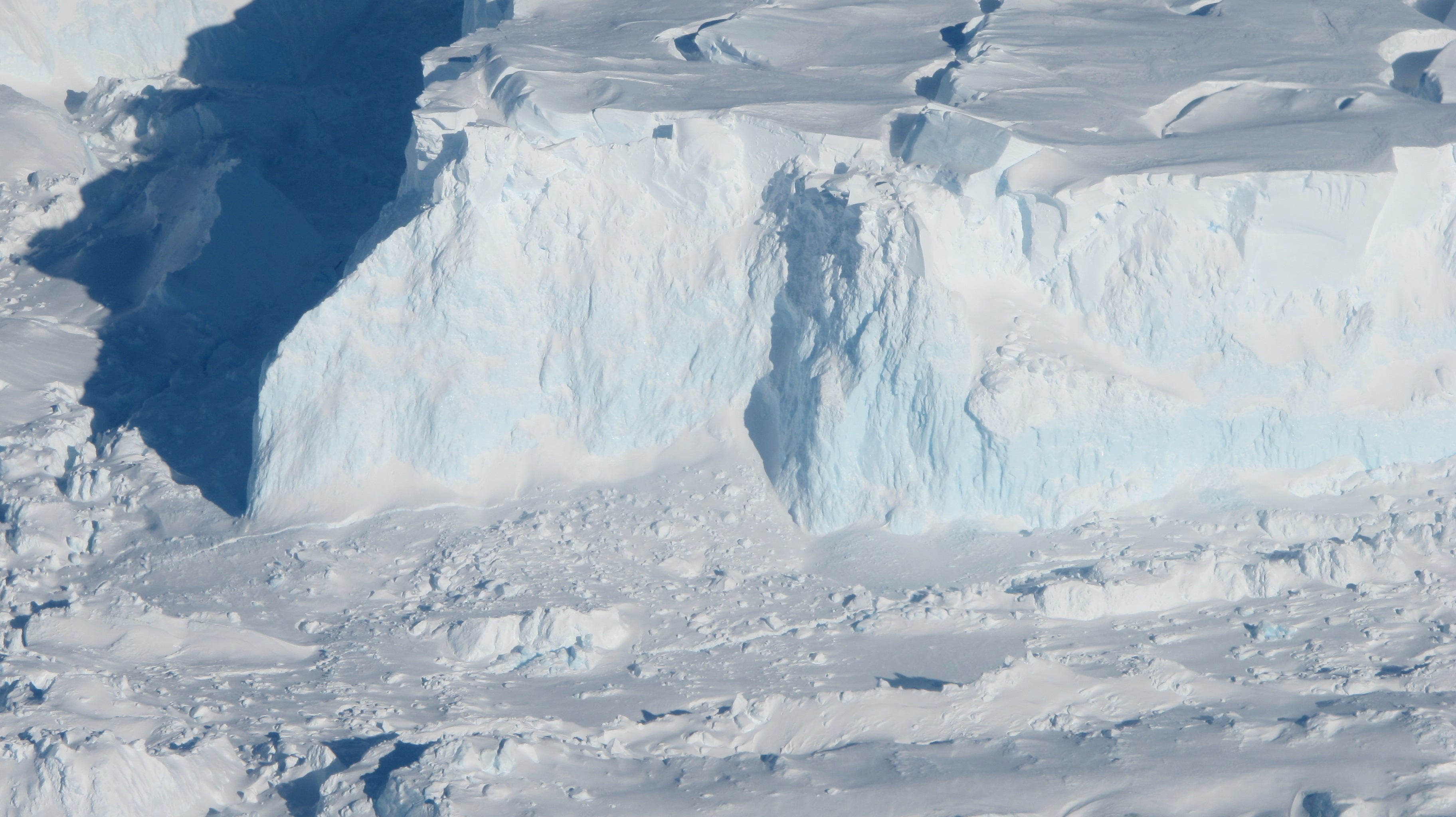
Researchers from the University of Edinburgh have revealed that the Thwaites Glacier could lose up to 200 gigatons of ice per year by 2067. That figure marks a sharp increase compared to the roughly 150 gigatons lost annually over the past two decades.
Meanwhile, this accelerating melt is not just a regional issue. Scientists warn it could add about 0.5 millimeters per year to global sea level rise, potentially surpassing the combined contribution of all mountain glaciers worldwide.
Why Thwaites Glacier Matters So Much
The Thwaites Glacier is no ordinary ice formation. Roughly the size of the United Kingdom, it holds enough freshwater to raise global sea levels by around 65 centimeters if it were to melt entirely.
However, researchers stress that a full collapse is not expected anytime soon. Still, the study’s lead author, Dr. Daniel Goldberg, cautions that the glacier is on a path that could trigger significant instability in the future.
The Glacier Acts Like A Critical Ice Highway
Thwaites plays a central role in Antarctica’s ice system. It functions as an “ice river,” funneling vast amounts of ice and snow from the West Antarctic Ice Sheet into the Amundsen Sea.
Because of this, its stability is essential. If it weakens further, the ripple effects could extend across the entire region, accelerating ice loss far beyond just one glacier.
Satellite Data Reveals A Disturbing Trend
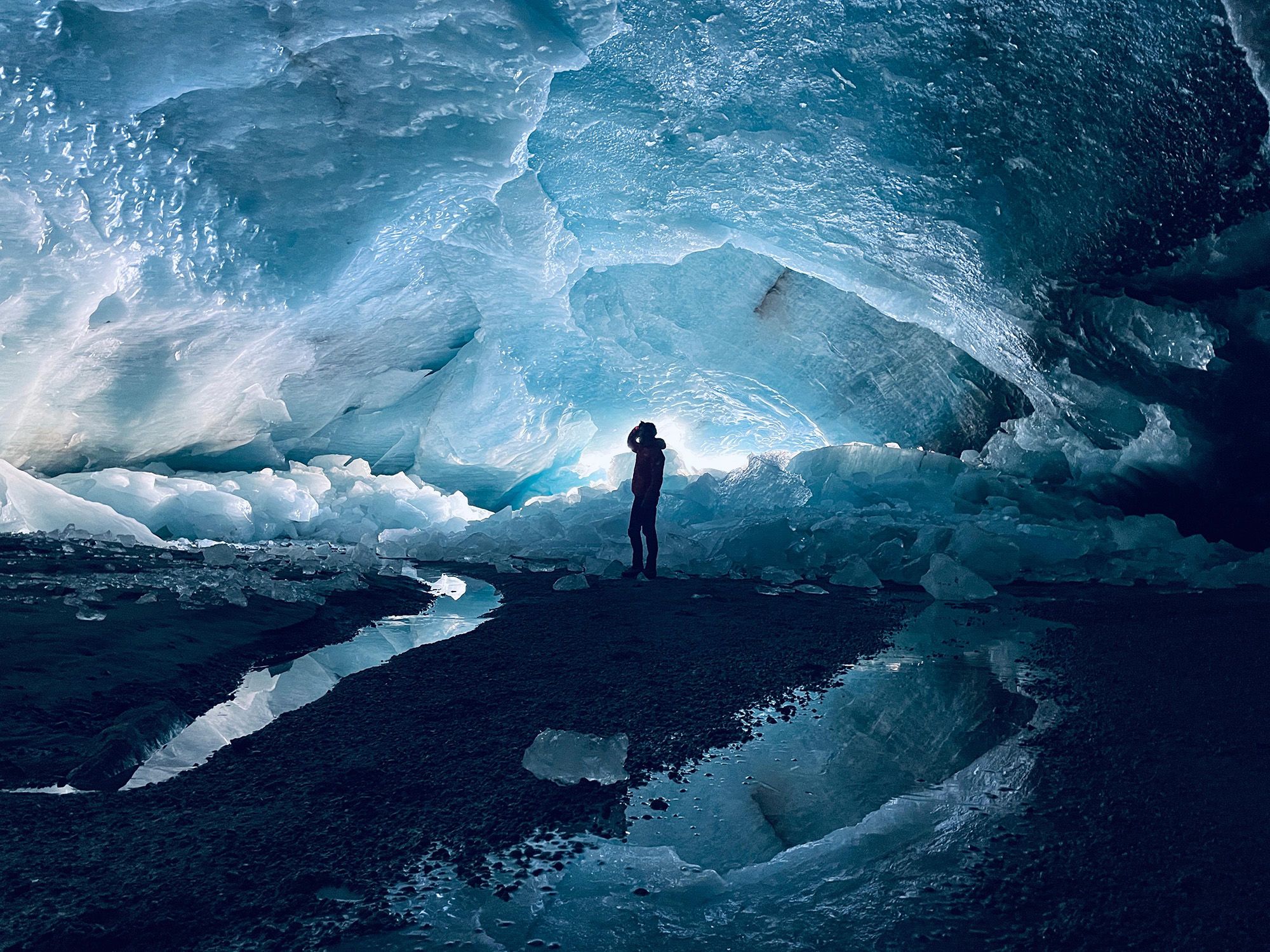
Recent satellite observations show the glacier thinning at an increasing rate. As it thins, its flow toward the ocean speeds up, creating a dangerous feedback loop.
In fact, studies indicate that Thwaites is now losing ice five times faster than it was in the 1990s. That dramatic shift highlights just how quickly conditions are changing.
Hidden Forces Beneath The Ice
The study, published in Geophysical Research Letters, used advanced ice sheet models combined with satellite data to project future changes.
Interestingly, the fastest melting appears to be happening in deep cavities beneath the glacier. These cavities, stretching up to 100 kilometers, allow warm ocean water to penetrate under the ice more easily, intensifying the melt.
Climate Change And Geology Both Play A Role

While human-driven global warming is heating the Amundsen Sea and speeding up ice loss, researchers say the story does not end there.
The geology beneath the glacier also appears to influence how quickly it melts. This combination of environmental and geological factors makes the situation more complex and harder to predict.
A Delayed Reaction With Long-Term Consequences
One surprising detail stands out. The glacier is only now responding to climate changes that began decades ago, particularly in the 1980s.
That delay means even if emissions are reduced today, the impact on Thwaites may take a long time to show. Still, scientists emphasize that cutting greenhouse gases could slow the process significantly, potentially delaying major collapse for centuries.
What Happens Next?
Based on current projections, a major collapse could occur within about 200 years. While that may sound distant, the early signs are already visible.
The question now is not whether change is happening, but how quickly it will unfold, and how much of it can still be managed.