
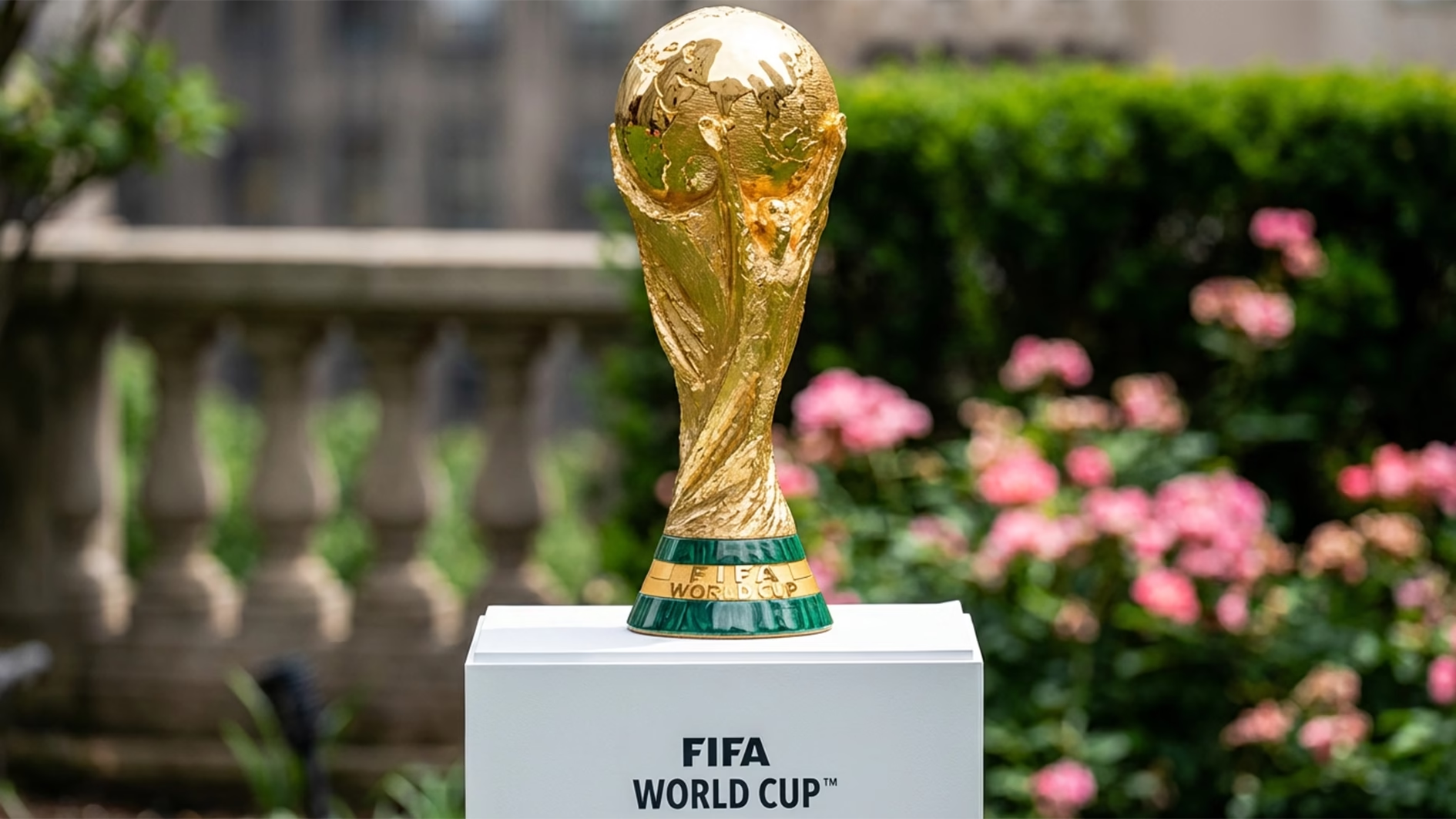
The road to the 2026 FIFA World Cup just hit a tense political moment, but organizers are making one thing clear, the schedule is not changing.
FIFA confirmed this week that Iran’s group-stage matches will remain in the United States, shutting down calls to relocate games to Mexico. The decision follows diplomatic pressure and rising concerns tied to broader geopolitical tensions.
FIFA Stands Firm On Tournament Schedule

Despite speculation, FIFA has drawn a firm line. The governing body made it clear that all matches will proceed exactly as planned, with no relocation under consideration.
In a statement obtained by The Associated Press, FIFA said it is in “regular contact” with all countries competing in the upcoming tournament, which will largely take place in the U.S., but said the matches will take place as previously determined.
“FIFA is in regular contact with all participating member associations, including (the Islamic Republic of) Iran, to discuss planning for the FIFA World Cup 2026. FIFA is looking forward to all participating teams competing as per the match schedule announced on 6 December 2025.”
That statement effectively ended any ongoing debate about shifting venues, reinforcing FIFA’s commitment to its original rollout.
Iran’s Request To Move Matches

The controversy began after Iran’s ambassador to Mexico, Abolfazl Pasandideh, publicly suggested moving the team’s matches out of the United States.
He reportedly said that the “best situation” for Iran would be to move the team’s games to Mexico.
Meanwhile, those comments quickly gained attention online and sparked speculation about potential changes to the tournament structure.
However, FIFA’s response left little room for interpretation, the matches will stay put.
Where Iran Will Play In 2026
As it stands, Iran’s schedule remains locked in across major U.S. cities.
The team is set to face New Zealand on June 16 in Inglewood, California. They will then meet Belgium on June 21 at the same venue before closing out group play against Egypt in Seattle on June 26.
The 2026 World Cup itself will run from June 11 to July 19, with the United States hosting the majority of matches alongside Canada and Mexico.
Trump Weighs In On Iran’s Participation
The political layer surrounding Iran’s involvement has added another level of complexity.
President Donald Trump addressed the issue in a Truth Social post, signaling mixed feelings about Iran’s presence at the tournament.
“The Iran National Soccer Team is welcome to The World Cup, but I really don’t believe it is appropriate that they be there, for their own life and safety,” he said.
However, his tone shifted when speaking to Politico just a week earlier.
“I really don’t care.”
That contrast highlights the broader uncertainty surrounding Iran’s participation, even as FIFA continues to move forward.
FIFA President Calls For Unity Through Football
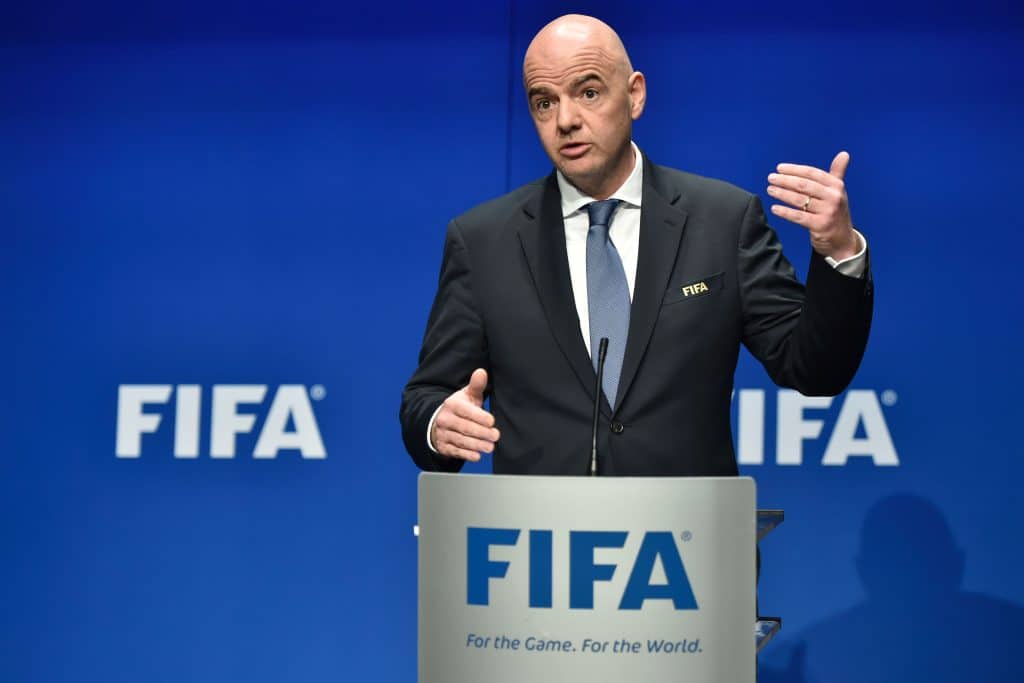
Amid the tension, FIFA President Gianni Infantino struck a more unifying tone, emphasizing the global importance of the tournament.
“We all need an event like the FIFA World Cup to bring people together now more than ever, and I sincerely thank the President of the United States for his support, as it shows once again that Football Unites the World,” he said in a post on Instagram.
His remarks underline FIFA’s long-standing message that football can act as a bridge, even in politically sensitive moments.
Iran Team Responds To Growing Uncertainty
Back home, Iranian officials and players have also addressed the situation.
While earlier comments from the country’s sports minister raised doubts about participation, the national team pushed back strongly. In a statement released Thursday, players made their position clear.
“no one can exclude” the squad from competing,
They also called on both FIFA and U.S. authorities to ensure the team’s safety during the tournament.
No Changes, But Questions Remain
For now, FIFA’s decision closes the door on any immediate changes. The schedule stands, the venues remain fixed, and preparations continue.
Still, the situation highlights how global sporting events often intersect with politics. With months to go before kickoff, attention will remain on how these tensions evolve, and whether they impact the tournament beyond the pitch.