

Global financial markets showed signs of stabilization on Monday as investors navigated a mix of geopolitical tensions, shifting central bank expectations, and ongoing weakness in technology stocks. While early trading reflected caution, a late-session recovery in U.S. equities helped limit broader market losses and improved overall sentiment.
Concerns surrounding developments in the Middle East initially weighed on risk assets. At the same time, stronger expectations for additional interest rate increases from the U.S. Federal Reserve and a continued pullback in technology shares added to investor unease.
However, markets gradually regained balance as trading progressed, with buyers stepping back into key sectors and helping major indexes recover from their session lows.
Oil Prices Climb Amid Middle East Tensions
Commodity markets remained focused on geopolitical developments, particularly renewed tensions involving Iran and Israel.
Brent crude oil moved higher as investors priced in potential supply risks linked to the situation. Even so, gains remained limited after intraday developments appeared to ease some immediate concerns, reducing fears of a more severe escalation.
The result was a moderate rise in oil prices rather than the sharp spike some traders had initially anticipated.
Bond Yields Edge Higher Across Major Markets
Government bond markets experienced modest selling pressure, pushing sovereign yields slightly higher in both Europe and North America.
Across the eurozone, peripheral bond spreads widened modestly. In France, much of the movement was tied to the launch of a new 10-year benchmark bond, which influenced pricing dynamics in the market.
Meanwhile, short-term European rate expectations continued to adjust as investors reassessed the likely path of monetary policy.
ECB Rate Expectations Continue To Shift
 Money markets reflected growing confidence that the European Central Bank could deliver another interest rate increase before the end of the summer.
The three-month EURIBOR rate moved higher as traders increased the probability of a second ECB rate hike by September. Expectations for a potential third increase also shifted further into focus, with market participants now looking toward late 2026 as a possible timeframe.
These evolving expectations highlight how investors continue to weigh inflation risks against slowing economic growth across the euro area.
Equities Show Mixed Performance Worldwide
Stock markets delivered a mixed performance across regions.
Asian markets extended the weakness that emerged following Friday’s decline in U.S. equities, as investors remained cautious about technology-sector valuations and global growth prospects.
European shares also finished lower, although losses remained relatively limited compared with earlier concerns.
In the United States, markets staged a notable turnaround. Large-cap technology stocks attracted renewed buying interest, helping major indexes recover from earlier declines. The rebound also sparked a sharp decline in implied volatility, signaling improving investor confidence as the trading day progressed.
Dollar Pulls Back From Recent Highs
Currency markets were comparatively calm.
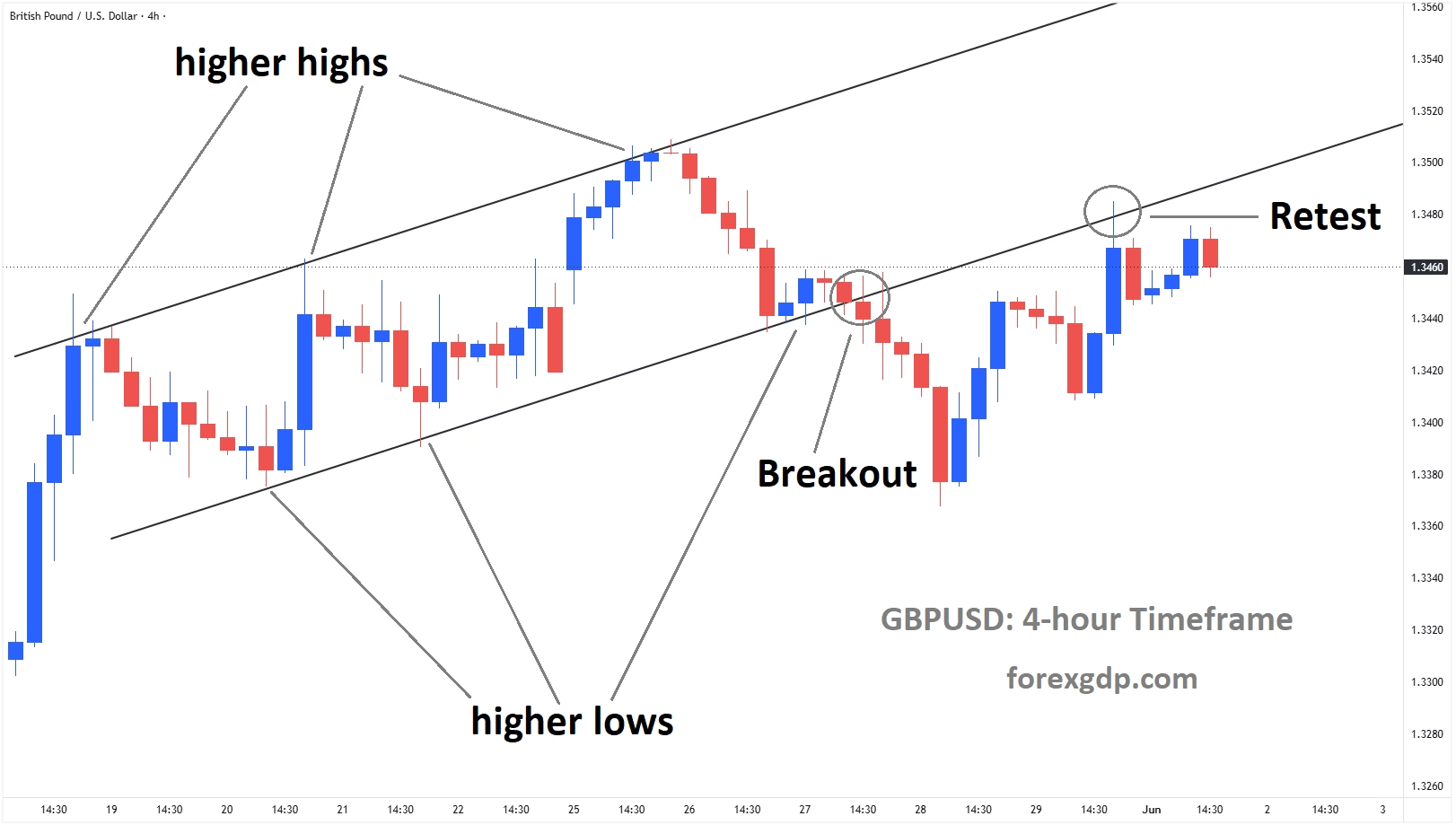
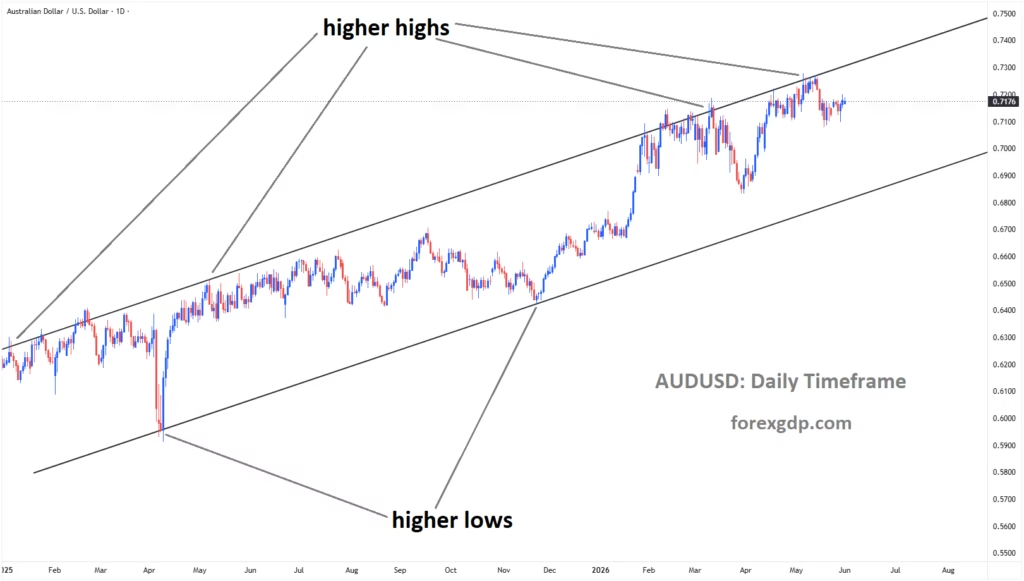
The U.S. dollar slipped slightly after reaching a two-month high on Friday. While the greenback remains supported by expectations for higher interest rates, Monday’s trading saw some investors take profits following its recent advance.
The modest pullback reflected a broader improvement in risk appetite rather than any major shift in economic fundamentals.
Investors Balance Risks And Opportunities
Monday’s session illustrated the market’s ongoing struggle to balance competing forces. Geopolitical uncertainty, central bank policy expectations, and sector-specific weakness continue to create volatility.
Yet the resilience shown by U.S. equities and the contained reaction across other asset classes suggest investors remain willing to step into markets when valuations become more attractive.
As attention turns toward upcoming economic data and further developments in the Middle East, traders will continue watching for signals that could shape the next major move across global markets.