


A strong immune system does not depend on one magic ingredient or a single healthy meal. It is built over time through steady habits, better sleep, lower stress, and smart food choices. That is where Foods That Boost Immunity become important. The right foods give the body vitamins, minerals, antioxidants, fiber, and healthy fats that help it work the way it should.
Many people look for natural ways to stay well, especially during busy seasons when stress, poor sleep, and processed meals become more common. Adding more whole foods to the plate is one of the most practical steps anyone can take. From citrus fruits to yogurt and leafy greens, simple ingredients can make a real difference when eaten regularly.
Foods That Boost Immunity and Why They Matter
The body’s immune system works like a defense network. It needs the right nutrients to support white blood cells, reduce inflammation, and protect tissues from damage caused by oxidative stress. That is why Foods That Boost Immunity are often rich in vitamin C, vitamin A, vitamin E, zinc, selenium, and other key nutrients.
Good nutrition also supports the gut, and that matters more than many people realize. A large part of immune function is tied to gut health. When the digestive system is supported by fiber-rich and probiotic foods, the body is often better prepared to respond to everyday challenges.
What nutrients support immune health?
Several nutrients play a leading role in immune support. Each one helps the body in a different way.
- Vitamin C helps protect cells and supports immune defense
- Vitamin A helps maintain healthy skin and tissue barriers
- Vitamin D supports immune response regulation
- Zinc helps immune cells grow and function properly
- Selenium protects cells from oxidative damage
- Protein helps the body build and repair tissues
- Probiotics and fiber support gut health, which supports immunity
Instead of chasing supplements first, many people can start by improving daily meals with nutrient-dense ingredients.
Citrus Fruits for Daily Support
Citrus fruits are often the first foods people think of when they want to support immunity. Oranges, lemons, limes, grapefruits, and tangerines are rich in vitamin C, which helps support normal immune function and protects cells from damage.
They are also easy to add to the diet. A glass of fresh orange juice with breakfast, lemon in warm water, or grapefruit as a snack can help increase vitamin C intake without much effort. Whole fruit is usually the better option because it also contains fiber, which supports digestion and overall health.
Citrus fruits are not a cure for illness, but they are a smart part of a balanced diet. When eaten regularly, they fit well into a wider plan focused on Foods That Boost Immunity.
Easy ways to use citrus
- Add orange slices to salads
- Squeeze lemon over grilled vegetables
- Mix lime into soups or dressings
- Snack on tangerines during the day
Berries Pack Powerful Antioxidants
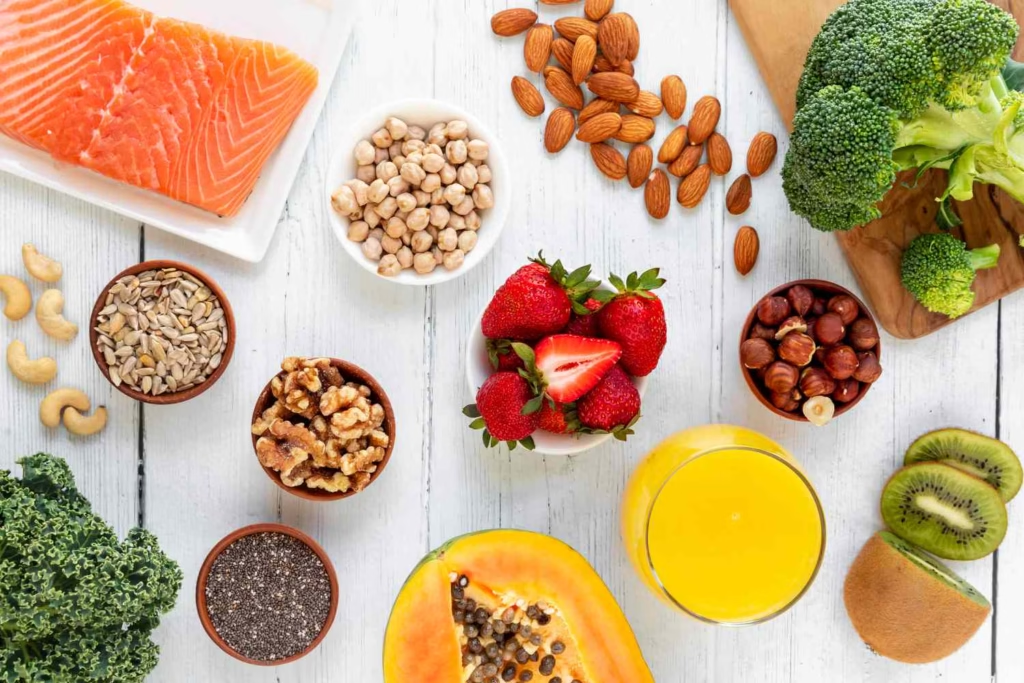
Berries may be small, but they bring a lot to the table. Blueberries, strawberries, raspberries, and blackberries are loaded with antioxidants that help the body handle cell damage caused by free radicals. They also contain vitamin C and fiber, making them a strong addition to meals and snacks.
Antioxidants matter because long-term oxidative stress can affect how well the body functions. Berries help support the body’s natural defense systems while also offering a naturally sweet option that feels easy to enjoy.
Fresh berries are great, but frozen berries work just as well in many cases. They can be blended into smoothies, stirred into oatmeal, or added to yogurt. For people trying to eat more Foods That Boost Immunity, berries are one of the simplest choices to keep at home.
Leafy Greens Build a Strong Base
Spinach, kale, arugula, Swiss chard, and other leafy greens are among the most useful foods for everyday wellness. They contain vitamins A, C, and K, along with folate, iron, and plant compounds that support overall health.
Vitamin A is especially important because it helps maintain the skin and tissues that act as barriers against harmful microbes. That means leafy greens do more than add color to the plate. They help the body maintain one of its first lines of defense.
These vegetables are also flexible in the kitchen. They can be eaten raw in salads, blended into smoothies, or cooked into soups, pasta dishes, and egg-based meals. People who want more Foods That Boost Immunity often benefit from building lunches and dinners around greens instead of treating them like a side item.
How to eat more leafy greens
- Add spinach to scrambled eggs
- Use kale in soups and stews
- Blend greens into fruit smoothies
- Build sandwiches with arugula or romaine
Garlic, Ginger, and Turmeric in the Kitchen
Some of the best immune-supporting ingredients are already common in home cooking. Garlic, ginger, and turmeric have long been used in many food traditions, and each brings something useful.
Garlic contains compounds that are studied for their role in supporting immune function. Ginger is often linked with soothing properties and may help support the body’s response to inflammation. Turmeric contains curcumin, a compound known for antioxidant and anti-inflammatory effects.
These ingredients are not miracle foods, but regular use can add depth to meals while supporting better nutrition overall. They work best when part of a consistent eating pattern, not as a one-time fix.
People looking for Foods That Boost Immunity should not ignore herbs and spices. Sometimes support comes from small ingredients used often, not just major items on the plate.
Yogurt and Fermented Foods Support the Gut
Gut health and immune health are closely connected, which is one reason yogurt and fermented foods get so much attention. Yogurt with live cultures can help support a healthy balance of gut bacteria. Other fermented foods like kefir, kimchi, sauerkraut, and miso may offer similar benefits.
A healthy gut helps the body process nutrients well and supports normal immune responses. That does not mean every fermented product is automatically healthy. Some flavored yogurts are loaded with added sugar, so plain or lightly sweetened options are usually the better choice.
Try pairing yogurt with berries, seeds, or oats for a balanced breakfast or snack. For people focused on Foods That Boost Immunity, probiotic-rich foods can be a useful part of the routine.
What to look for in yogurt
- Live and active cultures
- Lower added sugar
- Good protein content
- Plain Greek yogurt for versatility
Nuts, Seeds, and Healthy Fats
Nuts and seeds may not always get the spotlight, but they are rich in nutrients that support immune health. Almonds provide vitamin E, sunflower seeds contain selenium and vitamin E, and pumpkin seeds offer zinc. Walnuts also bring healthy fats that support overall wellness.
Vitamin E is an antioxidant that helps protect cells. Zinc is especially important because it helps immune cells develop and communicate. Since the body does not store zinc in large amounts, regular intake matters.
A small handful of nuts or seeds can go a long way. They are easy to add to oatmeal, yogurt, salads, or trail mix. They also make practical snacks for busy people who want more nutrient-dense foods in their day.
When choosing Foods That Boost Immunity, healthy fats deserve a place in the conversation. Immune support is not only about vitamins. It also depends on a balanced intake of fats, proteins, and minerals.
Protein-Rich Foods Help Repair and Protect
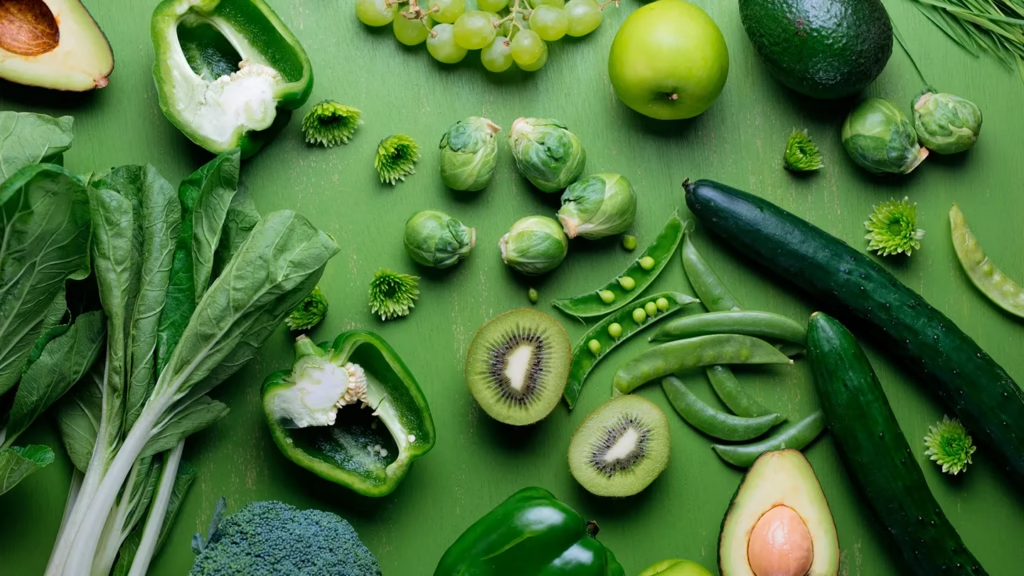
Protein plays a direct role in building and repairing body tissues. It also supports the production of antibodies and other immune system components. Without enough protein, the body may struggle to maintain strong defenses.
Good sources include:
- Eggs
- Chicken
- Fish
- Beans
- Lentils
- Chickpeas
- Tofu
- Greek yogurt
Plant-based eaters can still get plenty of protein through legumes, soy foods, nuts, seeds, and whole grains. The key is variety. A plate built around protein, vegetables, and whole grains usually offers a stronger nutritional profile than one built around processed snacks or refined carbs.
Since many people focus only on fruit when thinking about Foods That Boost Immunity, protein-rich foods are sometimes overlooked. That is a mistake. The immune system needs enough building material to do its job well.
Colorful Vegetables Add More Than Variety
Bright vegetables like bell peppers, carrots, sweet potatoes, broccoli, and tomatoes offer a wide mix of nutrients. Bell peppers are very high in vitamin C. Carrots and sweet potatoes are rich in beta-carotene, which the body turns into vitamin A. Broccoli contains fiber, antioxidants, and several vitamins that support wellness.
The more color on the plate, the wider the range of nutrients. That is a simple rule that works for many people. Instead of repeating the same side dishes every week, it helps to rotate vegetables and mix different colors into meals.
Roasting, steaming, and stir-frying can make vegetables more appealing without stripping away all their value. Even a basic dinner becomes more useful when colorful vegetables are included regularly.
For those trying to eat more Foods That Boost Immunity, variety is often just as important as choosing any one specific food.
Daily Habits That Make These Foods Work Better
Healthy foods matter, but they work best when the bigger lifestyle picture also supports immune health. Eating well while sleeping too little, staying dehydrated, and living on stress will limit the benefits.
A few supportive habits can make nutrition more effective:
- Drink enough water through the day
- Aim for balanced meals, not random snacking
- Get enough sleep each night
- Stay physically active
- Limit highly processed foods
- Reduce excess sugar where possible
It also helps to think in patterns rather than perfect meals. No one eats ideally every day. What matters most is consistency over time. A breakfast with yogurt and berries, a lunch with greens and protein, and a dinner with vegetables and healthy fats can build a strong foundation.
Simple Ways to Start Today
Eating better for immune health does not need to feel complicated or expensive. In many homes, the best place to begin is with small swaps and better planning. Add fruit to breakfast, include one extra vegetable at lunch, and keep nuts or yogurt on hand instead of reaching for ultra-processed snacks.
People often do better when they focus on a few repeat habits. Choose two or three Foods That Boost Immunity and start using them regularly. Once that feels normal, add more variety. A realistic routine is more useful than a perfect plan that never lasts.
The body responds well to steady support. Good food choices made day after day can help support energy, wellness, and resilience in a practical way.
Smart Eating for Immune Health
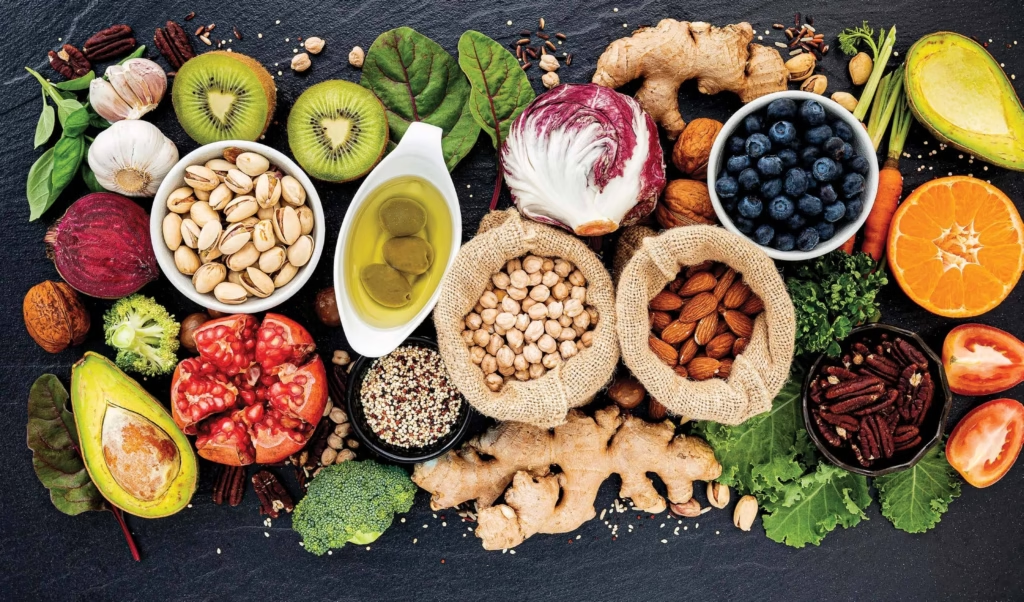
The best approach to immunity is not built on trends. It comes from consistent meals filled with whole, nutrient-dense foods that the body can use well. Foods That Boost Immunity include citrus fruits, berries, leafy greens, garlic, ginger, yogurt, nuts, seeds, protein-rich foods, and colorful vegetables.
None of these foods works alone, and none promises instant results. Still, together they can support the body in meaningful ways. Better nutrition is one of the most reliable steps people can take to support immune health naturally, and it starts with what goes on the plate each day.