

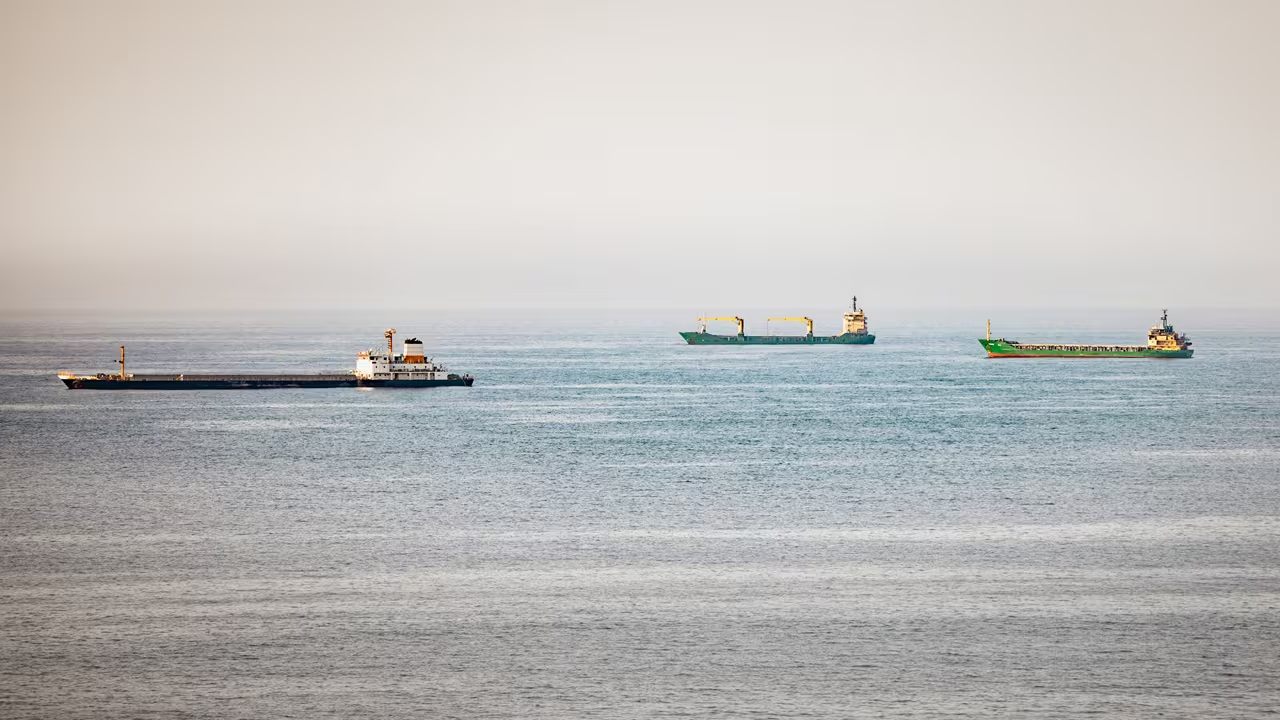
Iran’s oil exports have staged a sharp comeback, with millions of barrels leaving the country in just over a week as shipping activity through the Strait of Hormuz gradually returns to normal.
Fresh maritime tracking data points to a significant increase in crude shipments following the easing of regional tensions, while commercial vessels continue to move cautiously through one of the world’s most strategically important waterways. Although confidence is improving, analysts say uncertainty has not disappeared.
Iran Ships 40 Million Barrels In Nine Days
Iran exported 40 million barrels of crude oil between June 15 and June 24, according to maritime intelligence firm TankerTrackers.com.
The company reported on the US social media platform X that exactly 20 million barrels of Iranian crude were exported on Friday, June 19 alone. That single day accounted for half of the total crude shipped during the period, highlighting a dramatic rise in outbound exports after weeks of disruption.
The increase follows a period of instability that affected maritime traffic around the Strait of Hormuz, a vital passage connecting Gulf oil producers with global markets.
Shipping Through Strait Of Hormuz Gradually Improves
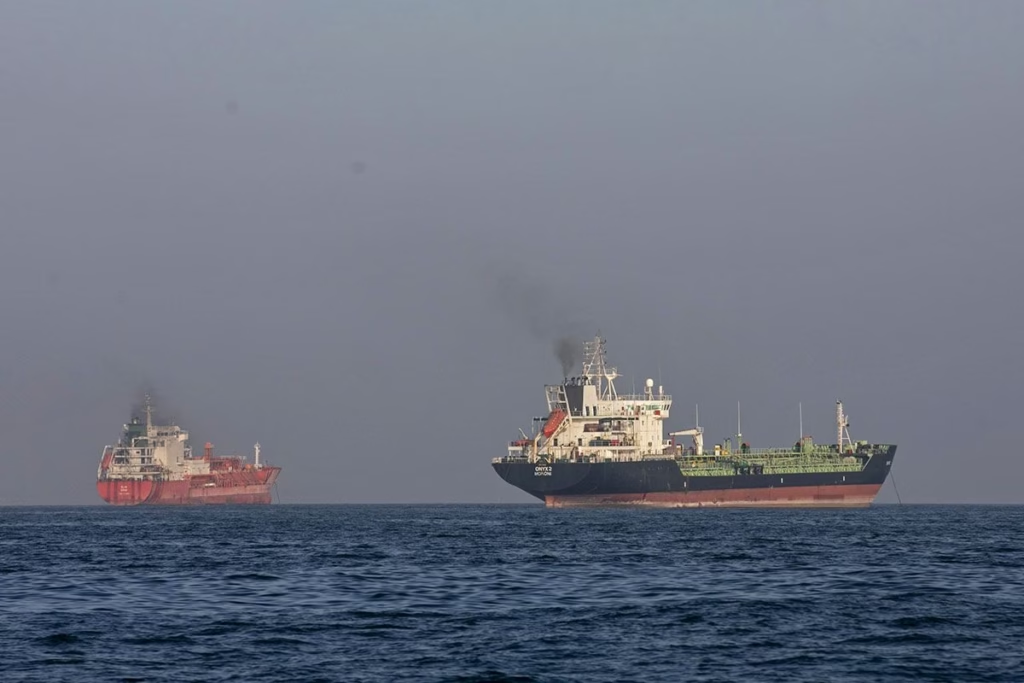
Meanwhile, vessel traffic through the Strait of Hormuz continues to recover following the interim US-Iran peace agreement, which eased immediate security concerns and encouraged more ships to resume normal operations.
Maritime data provider Kpler reported that commercial and energy-related traffic remained active on June 23, recording 31 verified vessel crossings through the strategic waterway.
Most of the movements were west-to-east, while ships continued using Iranian, Omani and International Maritime Organization navigation routes.
Recovery Remains Careful Despite Increased Activity
Although shipping conditions have improved, Kpler indicated that operators remain cautious.
The company said the strait was functioning under the US-Iran memorandum of understanding. However, ongoing dark-route activity and questions about what could happen after the current 60-day agreement continue to limit confidence across the shipping industry.
As a result, maritime companies are gradually increasing operations rather than returning immediately to full capacity.
LNG Shipments Also Pick Up
The recovery is extending beyond crude oil exports.
More empty liquefied natural gas tankers have passed through the Strait of Hormuz to collect cargoes, including a Chinese LNG carrier. According to Kpler, at least eight Qatar-linked LNG tankers entered the Persian Gulf during the past week.
At the same time, Qatar and Abu Dhabi National Oil Company, or ADNOC, are moving to increase exports quickly after the interim agreement reduced immediate threats to Gulf energy shipments.
Oil Markets React To Improving Conditions
The Strait of Hormuz remains one of the world’s most critical energy corridors, carrying a substantial share of global oil supplies.
As shipping activity continues to recover and export volumes rise, investors have begun reassessing the geopolitical risks that previously pushed energy prices higher. That shift has contributed to downward pressure on oil prices this week as markets respond to improving conditions across the region.