

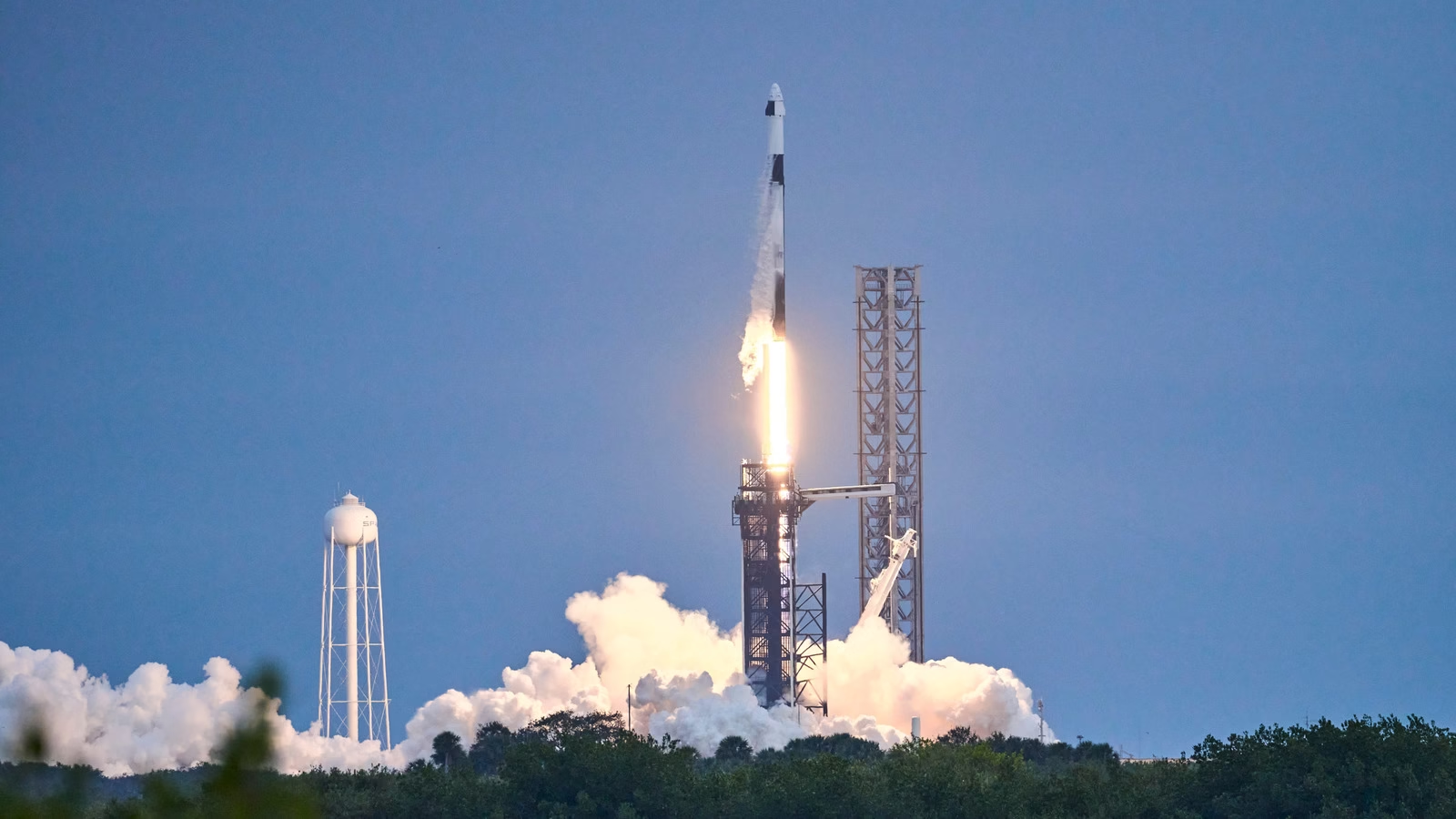
SpaceX has officially crossed a historic threshold, placing more than 10,000 Starlink satellites in low Earth orbit at the same time. The milestone marks a staggering leap for the company, achieved in less than seven years since its first satellite launch in 2019.
The record-setting moment followed a late-night Falcon 9 launch from California, reinforcing SpaceX’s growing dominance in the global satellite internet race.
Falcon 9 Launch Pushes SpaceX Past Milestone
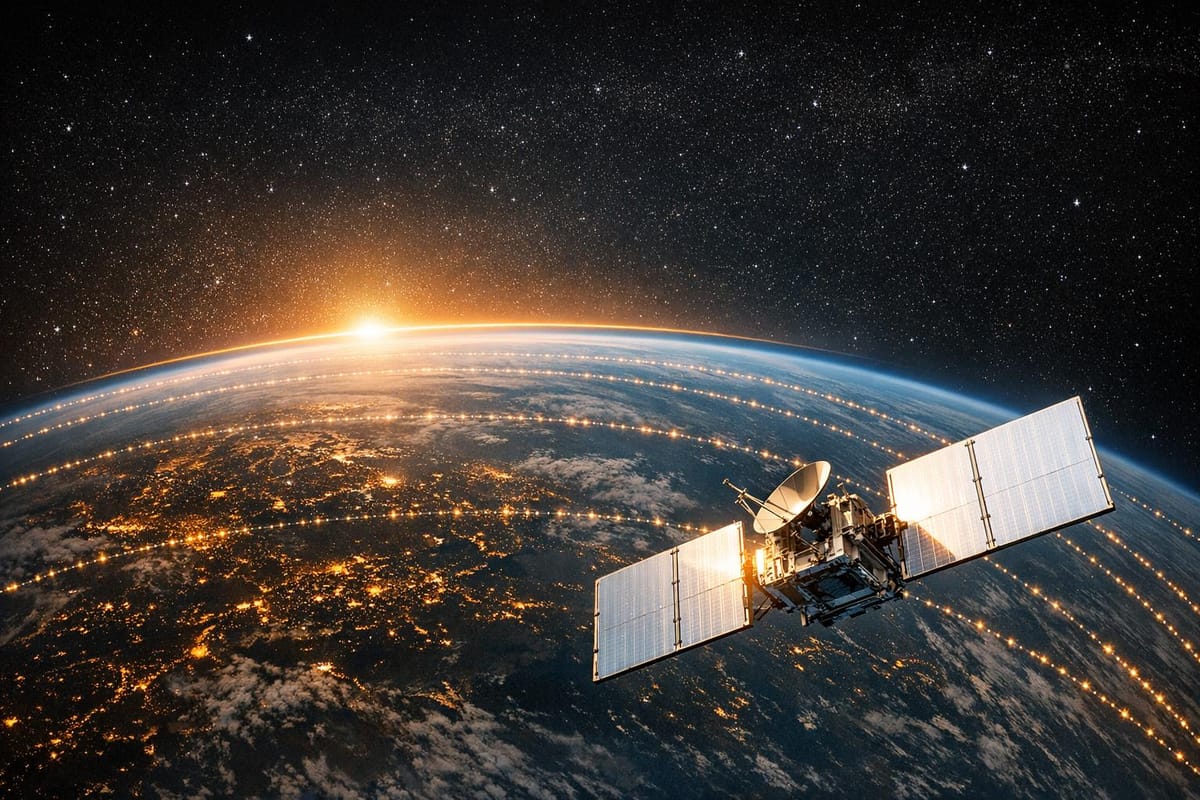
The mission, known as Starlink Group 17-24, lifted off at 10:19:09 p.m. PDT on March 16. The Falcon 9 rocket climbed along a southerly path from Space Launch Complex 4 East at Vandenberg Space Force Base.
Notably, this was the 17th orbital launch from the California site in 2026 alone, signaling an aggressive launch cadence.
Meanwhile, the first-stage booster, identified as B1088, completed its 14th flight. After separating from the rocket, it successfully landed on the drone ship ‘Of Course I Still Love You’ in the Pacific Ocean just over eight minutes after liftoff.
The mission continued smoothly, with all 25 Starlink satellites deploying a little more than an hour after launch.
A Century After Rocket History Began
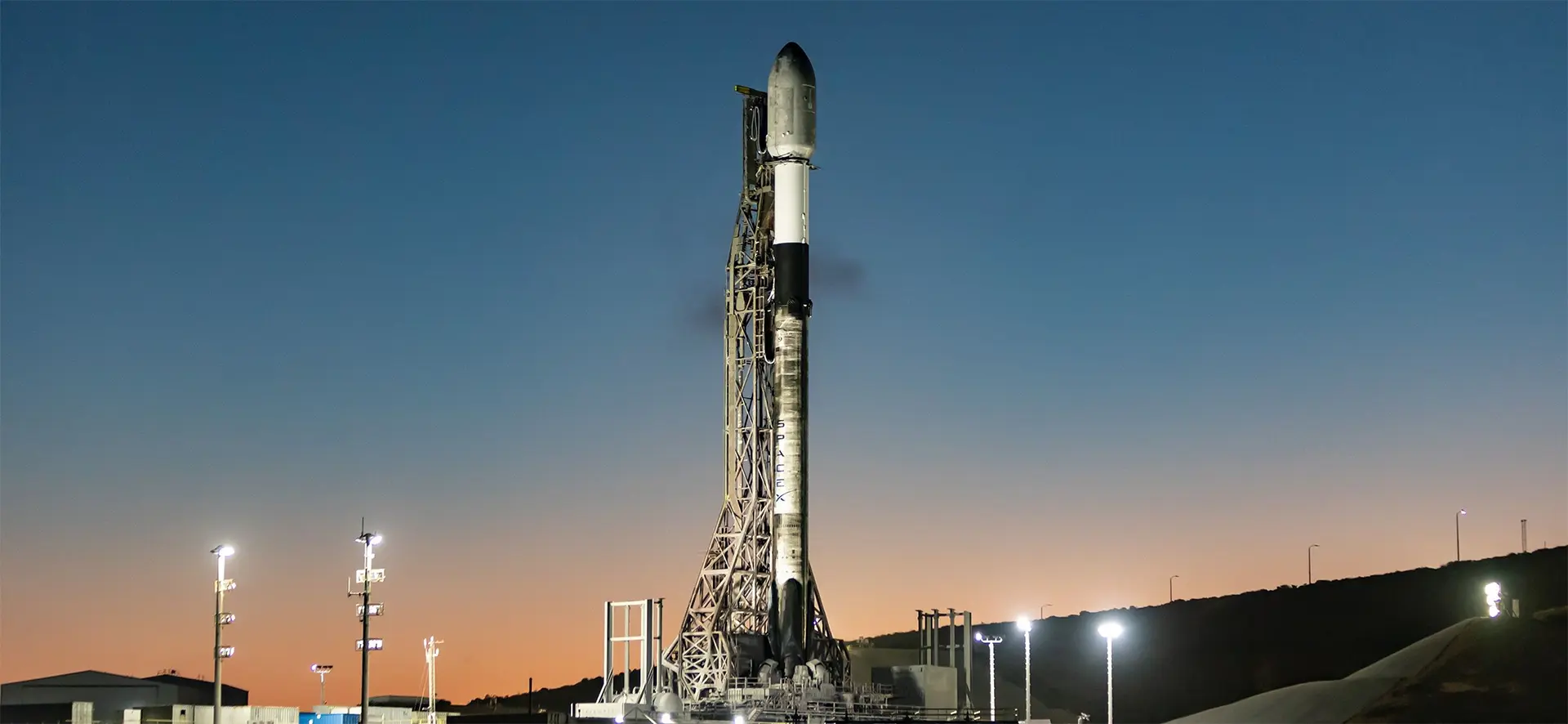
Interestingly, the launch coincided with a historic anniversary. It came exactly 100 years after Robert Goddard launched the world’s first liquid-fueled rocket.
In contrast, SpaceX’s Falcon 9 represents modern engineering at scale. Monday’s mission marked the 615th flight of the kerosene-powered rocket, highlighting how far rocket technology has come over the past century.
Starlink Constellation Expands Rapidly
SpaceX’s Starlink network continues to grow at a pace unmatched in the industry. The company has averaged a launch roughly every 2.3 days in 2026.
Out of 33 Falcon 9 missions this year, 26 have been dedicated to deploying Starlink satellites. That focus underscores the company’s commitment to building a global broadband network from space.
As of February 13, 2026, SpaceX reported more than 10 million active Starlink users across 160 countries and territories. Since then, the service has expanded further, reaching locations such as Niue, Kuwait, and the Central African Republic.
Experts Call Achievement “Truly Remarkable”
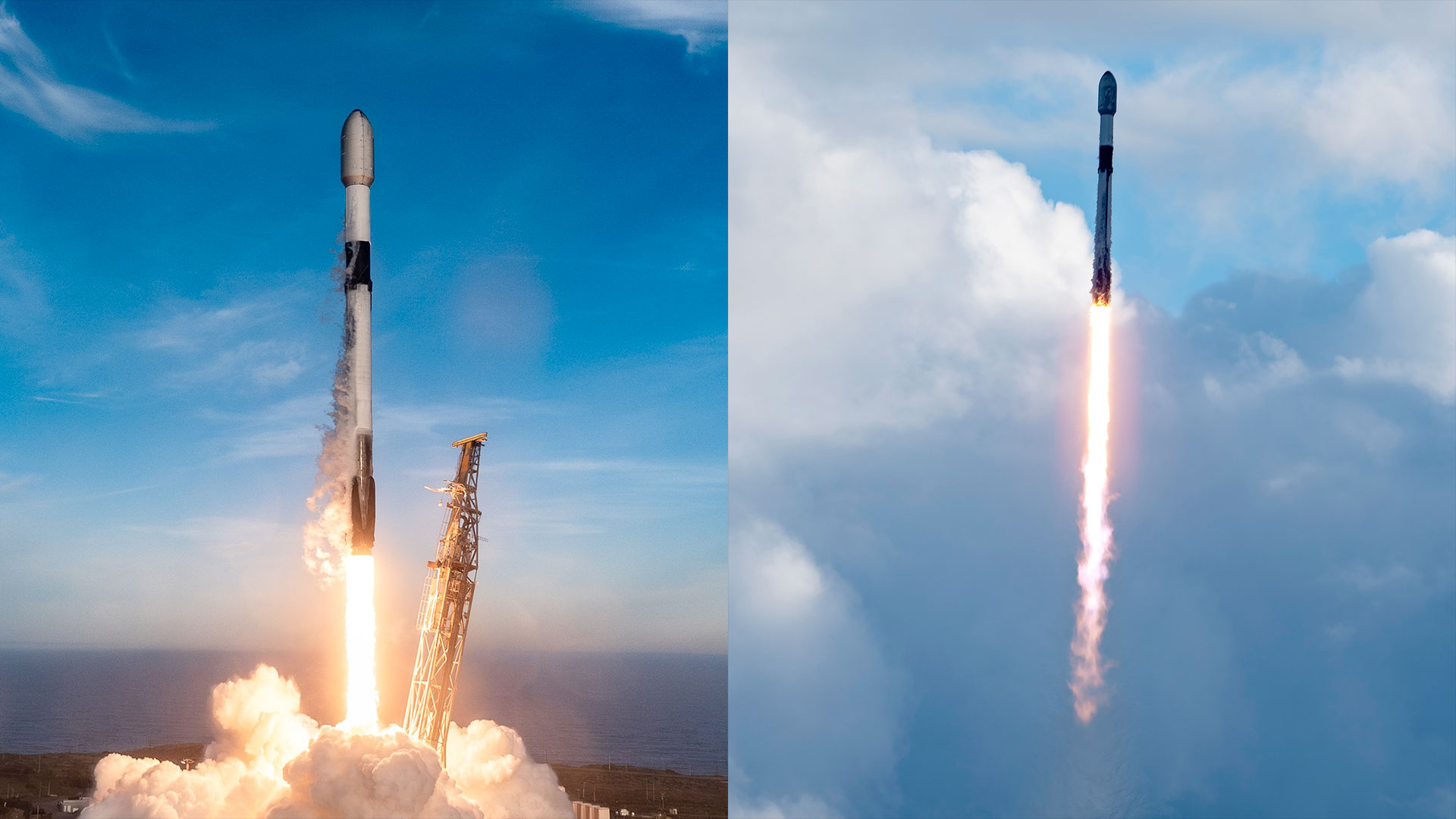
Back in October 2025, when SpaceX first surpassed 10,000 total satellites launched, industry experts were already taking notice.
Dr. Jonathan McDowell described the achievement as “truly remarkable.”
“The number of avoidance maneuvers, 10s of thousands of avoidance maneuvers a year that the system is making to avoid running into itself is just so far beyond what anyone was doing in the 2010s, much less earlier,” McDowell said. “I think, whatever your feelings are about SpaceX or the people involved with it, it’s a remarkable technical achievement.”
His comments highlight the immense complexity of managing such a massive constellation in orbit.
New Technology Helps Prevent Collisions
To handle the growing number of satellites, SpaceX introduced its own Space Situational Awareness system, called Stargaze.
The system uses onboard star trackers to map objects in low Earth orbit. As a result, it helps satellites quickly identify and avoid potential collisions, a critical capability as orbital traffic increases.
Financial Power And Technology Drive Success
SpaceX’s dominance is not just about frequent launches. It is also rooted in strong financial backing and advanced technology.
Caleb Henry, Director of Research at Quilty Space, pointed to these factors when explaining the company’s rise.
“Four of them are technological. One of them financial. Financial first. Starlink has been able to raise, or SpaceX has been able to raise significant sums of money,” Henry said. “They easily raised more than any other constellation venture that wasn’t either internally funded, like Amazon, or government funded, like the SDA or perhaps some Chinese constellations. So, having access to billions of dollars in capital really helped. The money along is not the solution. It’s not the reason that they were able to do this and others hadn’t by itself.”
He also emphasized SpaceX’s vertically integrated approach.
“Starlink is building (user terminals) for an order of magnitude, maybe two orders of magnitude above what anyone else is doing,” Henry said. “And that allows them to reach a price point for their equipment that is so low that they basically make the consumer market explode.”
Starship And The Next Generation Of Satellites
Looking ahead, SpaceX is preparing for its next major leap. The company plans to launch its larger Starlink Version 3 satellites using the powerful Starship rocket.
Although no official launch date has been announced, testing is ongoing. Industry forecasts suggest multiple Starship launches carrying Starlink payloads could take place in 2026.
Henry outlined the potential impact of this next phase.
“The V3 version of Starship is supposed to be able to lift 100 metric tons to orbit and we see that as really unlocking the V3 version of the satellite, which is going to be heavier, which is going to have a terabit of capacity, just by far and away more than any other low Earth orbit satellite out there,” Henry said.
That said, if successful, this next generation could dramatically expand Starlink’s capabilities and further cement SpaceX’s lead.