

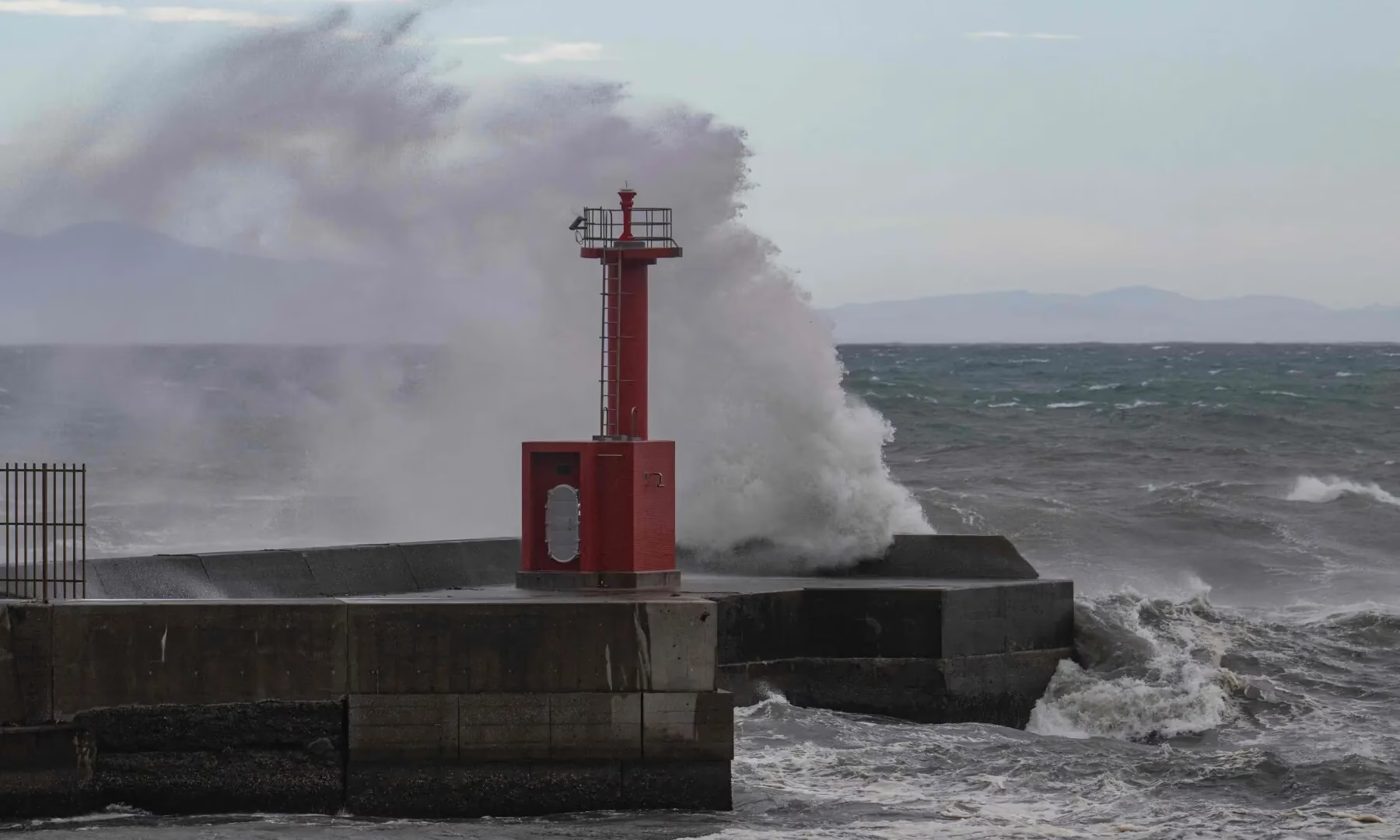
Typhoon Jangmi carved a destructive path across Japan this week, bringing torrential rain, powerful winds, widespread power outages and evacuation advisories affecting more than a million residents.
The storm, also known as Typhoon No. 6, moved northward through the country, triggering landslide concerns, river flooding warnings and significant disruption from Okinawa to mainland Japan. While the system has since weakened into a tropical depression and moved away from the islands, its impact was felt across multiple regions.
Millions Face Evacuation Advisories
Japanese authorities urged approximately 1.52 million people to evacuate as worsening weather conditions raised fears of flooding and landslides.
Several rivers reached warning levels that signaled a heightened risk of overflowing. Authorities issued level 4 alerts in some areas, a threshold that allows local governments to order evacuations as a precaution against life-threatening conditions.
Meanwhile, prolonged rainfall saturated already vulnerable ground, increasing the risk of landslides in affected communities.
Record Rainfall Hits Tokyo
The storm delivered exceptional rainfall totals, particularly across parts of the capital region.
In Chiyoda, Tokyo, three-hour rainfall accumulations reached 105 millimeters on Wednesday, setting a new record for the month. The intense downpours overwhelmed drainage systems in some locations and heightened concerns about flash flooding.
Heavy rain remained one of the most dangerous aspects of the storm as it pushed northward through Japan.
Strong Winds Cause Widespread Damage
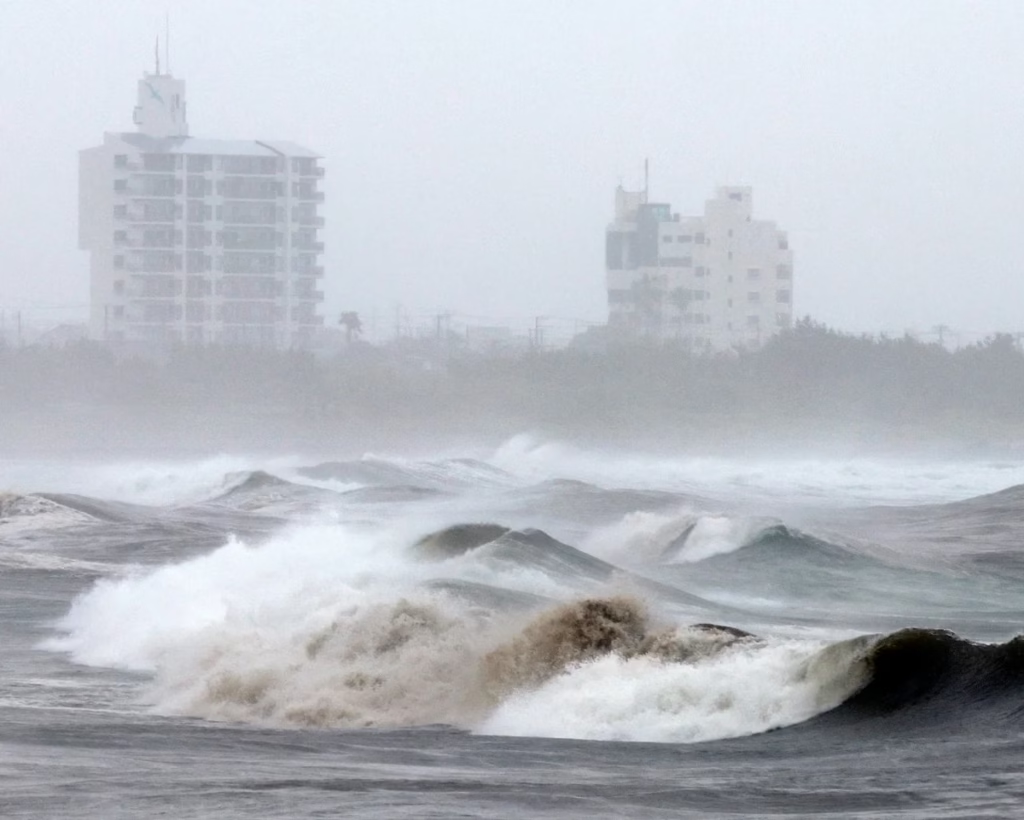 Earlier in the week, Typhoon Jangmi packed sustained winds of around 80 mph (130 kph), placing it in the Category 1 typhoon range.
The powerful winds damaged homes, disrupted transportation networks and affected businesses and infrastructure across several prefectures. By midweek, officials reported damage to 57 homes.
In addition, roughly 60,000 households lost electricity as the storm battered power infrastructure.
Injuries Reported Across Affected Areas
By Wednesday, authorities confirmed that 23 people had been injured during the storm.
Most of the injuries were reported in Okinawa, where 17 people were hurt as severe weather conditions swept through the island chain before moving toward mainland Japan.
Emergency crews continued assessing damage and assisting affected residents as conditions gradually improved.
Historic Himeji Castle Suffers Damage
One of Japan’s most recognizable cultural landmarks also sustained damage during the storm.
Typhoon Jangmi damaged part of the exterior wall of Himeji Castle, the UNESCO World Heritage Site located in western Japan.
According to the Japan Meteorological Agency, the strongest wind recorded in Himeji reached 56 mph during the storm.
Although the damage appears limited, the incident highlighted the storm’s reach and intensity.
Storm Weakens And Moves Away
After tracking northward across Japan, Typhoon Jangmi steadily weakened and transitioned into a tropical depression.
The system has since moved eastward away from the Japanese islands, allowing recovery efforts to begin in affected communities.
However, officials continue monitoring river levels and ground conditions in some areas where floodwaters and saturated soil may remain a concern even after the storm’s departure.