

Water does much more than quench thirst. It helps the body carry nutrients, regulate temperature, support digestion, protect joints, and keep the brain and muscles working properly. That is why the Benefits of Drinking Water are often felt throughout the entire body, even when the change seems small at first. Health authorities also note that drinking enough water helps prevent dehydration, which can contribute to unclear thinking, mood changes, overheating, constipation, and kidney stones. (CDC)
Many people think about water only when they feel thirsty, but daily hydration affects far more than comfort. It can influence energy, focus, physical performance, and even the kinds of beverages a person chooses throughout the day. When water replaces sugary drinks, it can also help lower calorie intake. (CDC)
Benefits of Drinking Water for Daily Health
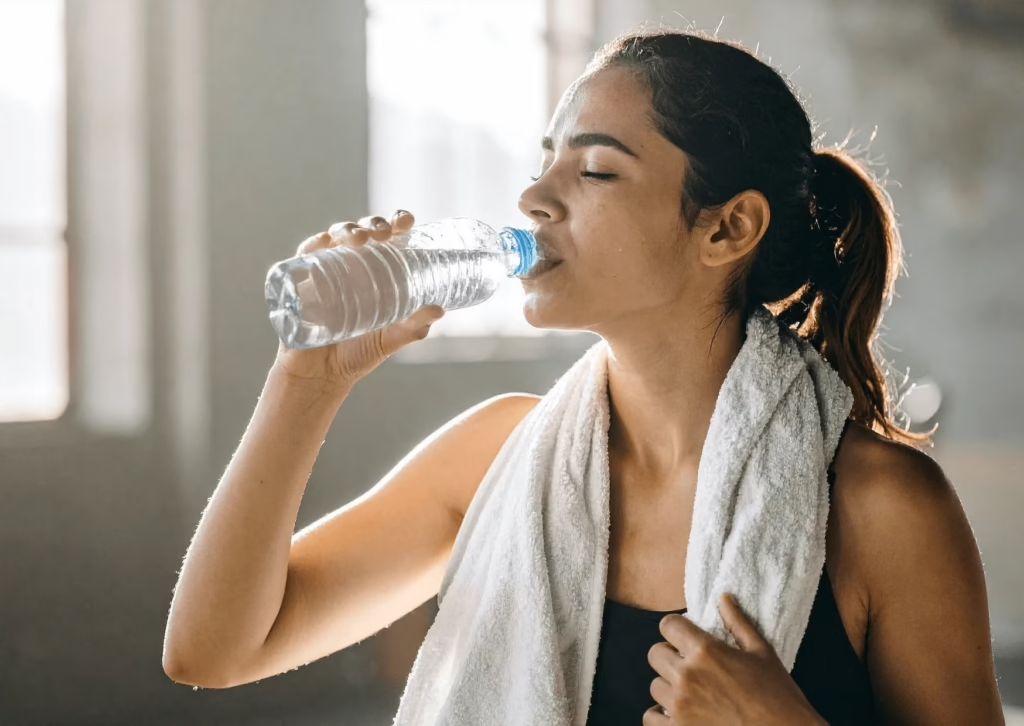
The Benefits of Drinking Water start with basic body function. The human body depends on water for circulation, temperature control, digestion, and waste removal. Without enough fluid, normal processes become less efficient, and mild dehydration can begin to affect how a person feels and functions. (PMC)
Water supports daily health in several important ways:
- Helps maintain normal body temperature
- Supports digestion and bowel regularity
- Carries nutrients through the body
- Lubricates joints and tissues
- Helps remove waste through urine and sweat
- Supports normal thinking, mood, and focus (CDC)
These effects are not dramatic in a single moment, but they matter over time. Even mild dehydration can leave a person feeling tired, foggy, or less physically capable than usual. (CDC)
How Water Helps the Body
Water is involved in almost every major system in the body. Blood contains a large amount of water, cells need it to function, and organs rely on steady fluid balance to work as they should. This is why hydration is not a niche wellness tip. It is a basic part of human health. (PMC)
Supports Temperature Regulation
One of the clearest jobs of water is helping the body manage heat. When body temperature rises, sweating allows heat to leave the body. That process depends on having enough fluids available. If fluid loss is not replaced, overheating becomes more likely. (CDC)
This matters during exercise, hot weather, illness, or long hours outdoors. In each case, the body can lose water faster than usual.
Helps Nutrient Transport and Waste Removal
Water helps move nutrients through the bloodstream and assists the body in getting rid of waste. It supports urine production and helps maintain the flow needed for normal kidney function. (PMC)
That is one reason hydration is linked with kidney stone prevention in public health guidance. When fluid intake is too low, urine becomes more concentrated, which can increase risk over time. (CDC)
Protects Joints and Tissues
Water also helps lubricate tissues in the body, including joints. It supports cushioning and normal movement, which is especially important for active people and older adults. While water alone will not solve joint pain, good hydration supports the system that keeps movement comfortable. (PMC)
Brain, Mood, and Energy Effects

People often notice the Benefits of Drinking Water first in how they feel mentally. Headaches, fatigue, and poor concentration are common signs that fluid intake may be too low. Public health sources note that dehydration can contribute to unclear thinking and mood changes. (CDC)
Research reviews have also linked better hydration in low drinkers with improvements in fatigue and some aspects of mental performance, although the strength of effects can vary by person and study design. (PMC)
Better Focus During the Day
The brain depends on stable fluid balance. When hydration drops, some people feel slower, less alert, or more irritable. This does not mean everyone needs to count every glass, but it does show why steady intake matters. (CDC)
Less Fatigue From Mild Dehydration
Tiredness is not always caused by lack of sleep. Sometimes, not drinking enough water can be part of the problem. A person may not realize they are slightly dehydrated until they feel thirsty, have a headache, or notice darker urine. Mayo Clinic notes that dark urine, headaches, and weaker physical performance can be signs that intake is too low. (Mayo Clinic)
Digestion, Kidneys, and Bowel Health
The Benefits of Drinking Water are also easy to see in digestion. Water helps food move through the digestive tract and supports softer stool, which reduces the chance of constipation. The CDC specifically lists constipation as one of the problems dehydration can contribute to. (CDC)
Hydration also supports kidney health by helping the body flush waste through urine. This does not mean water can treat every kidney problem, but adequate fluid intake is a basic part of normal kidney function and is tied to lower risk of kidney stones. (CDC)
Why Constipation Gets Worse With Low Fluids
When the body does not have enough water, the colon absorbs more fluid from waste. That can make stool harder and more difficult to pass. For many people, better hydration is one simple step that supports more regular bowel movements. (CDC)
Water and Kidney Stone Prevention
Kidney stones can have many causes, but low fluid intake is a known risk factor because it can lead to more concentrated urine. Drinking enough water helps dilute substances in urine that may otherwise form crystals. (CDC)
Water Instead of Sugary Drinks
One overlooked part of the Benefits of Drinking Water is what it replaces. Water has no calories, sugar, or caffeine. When it takes the place of soda, sweet tea, or other sugary beverages, it can reduce daily calorie intake and lower added sugar consumption. (CDC)
This makes water useful not only for hydration but also for healthier daily habits. People do not always need a complicated nutrition plan to make progress. Sometimes one of the most practical changes is simply drinking water more often.
A Simple Way to Cut Extra Calories
The CDC recommends choosing water instead of sugary drinks as a practical step for healthier intake patterns. For people who drink sweet beverages often, that one switch can make a meaningful difference over time. (CDC)
Helpful for Everyday Weight Goals
Water itself is not a magic weight-loss solution. Still, it supports hydration without adding calories, and it can replace drinks that do. That makes it a useful part of a balanced eating pattern. (CDC)
How Much Water Do You Need
There is no single number that fits everyone. Water needs vary with age, body size, climate, health, diet, and activity level. The National Academies set adequate intake levels for total water at about 3.7 liters per day for adult men and 2.7 liters per day for adult women, and that total includes water from beverages and food. (National Academies)
That does not mean every person must drink exactly that amount as plain water. Foods such as fruits, vegetables, soups, and other beverages also contribute to total intake. (National Academies)
Signs You May Need More Water
Common signs include:
- Feeling thirsty often
- Dark yellow urine
- Dry mouth
- Headache
- Low energy
- Dizziness in more serious cases (Mayo Clinic)
Times When Water Needs Increase
You may need more fluids when:
- The weather is hot or humid
- You are exercising
- You have a fever
- You have diarrhea or vomiting
- You are spending long hours outdoors (Mayo Clinic)
Common Myths About Hydration
Hydration advice online is often too rigid. Some people are told to drink a fixed amount no matter what, while others ignore thirst completely. The truth is more practical. Needs vary, and thirst is useful, but it should not be the only signal people rely on, especially in hot conditions or during illness. (National Academies)
Another myth is that only plain water counts. In reality, total water intake also comes from foods and other beverages. Plain water is still a strong choice because it hydrates without sugar or calories, but it is part of a bigger picture. (National Academies)
Simple Hydration Habits That Stick
The Benefits of Drinking Water are easiest to keep when hydration becomes part of a routine, not a random effort. Small habits usually work better than extreme rules because they are easier to maintain over time.
A few practical ideas include drinking water with meals, carrying a bottle during the day, having water before and after exercise, and choosing water first when thirsty. Adding lemon, cucumber, or berries can also make plain water more appealing for people who want more flavor. (CDC)
Water is simple, but its role in health is not small. From brain function and digestion to temperature control and kidney support, the science is clear that staying hydrated helps the body work better day after day. (CDC)