
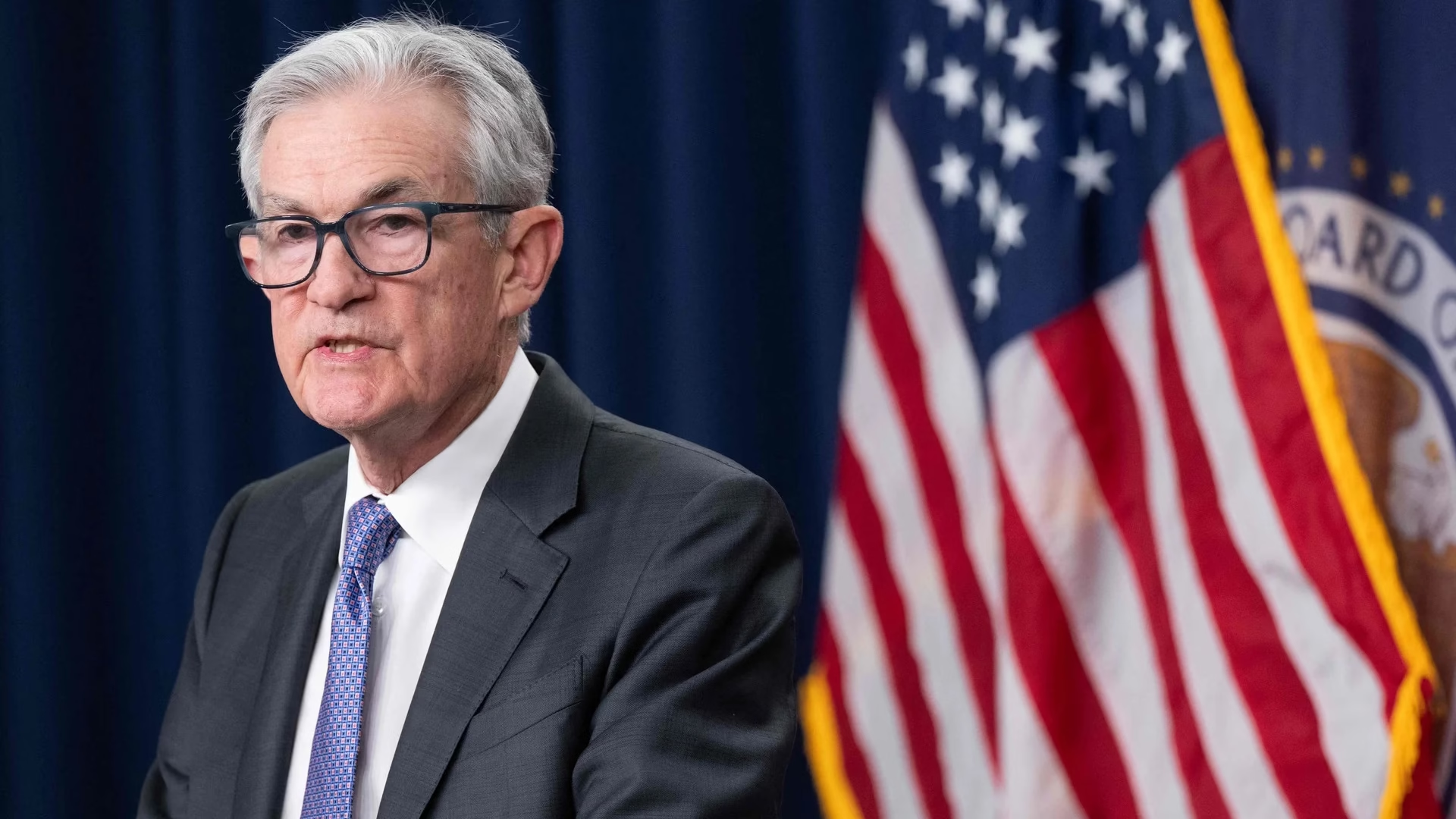
The Federal Reserve held its ground Wednesday, keeping interest rates unchanged as global tensions, rising energy prices and political pressure converged into one of the most uncertain economic moments in years. Meanwhile, Fed Chair Jerome Powell made it clear he is not stepping aside anytime soon, even as a high-profile investigation continues to swirl around him.
Markets Slide As Inflation Concerns Intensify

Wall Street didn’t take the news lightly. Stocks tumbled sharply as investors reacted to stubborn inflation signals and a cautious Federal Reserve.
The Dow Jones Industrial Average plunged 768 points, marking its lowest level of the year. The S&P 500 dropped 1.36%, while the Nasdaq slid 1.46%. Traders were already uneasy, but Powell’s remarks added to the tension.
“The bar is a little bit higher for cutting rates,” said Mike Dickson, head of research and quantitative strategies at Horizon Investments. “I think we knew that coming in, but we got that kind of confirmed from the comments today.”
Meanwhile, expectations shifted quickly. Markets began pricing in the possibility that there may be no rate cuts at all this year, despite earlier projections suggesting otherwise.
Fed Holds Rates Steady Amid Global Turmoil
The Federal Reserve decided to hold its benchmark interest rate at 3.5% to 3.75%, marking the second consecutive pause this year. However, policymakers still signaled the possibility of one rate cut before the end of 2026.
Still, uncertainty hangs heavy.
“Uncertainty about the economic outlook remains elevated,” the Fed said in a statement. “The implications of developments in the Middle East for the US economy are uncertain.”
The ongoing conflict in the Middle East has triggered a surge in oil prices, raising fears that inflation could spike again just as it had begun to cool.
Oil Shock Raises Inflation Risks
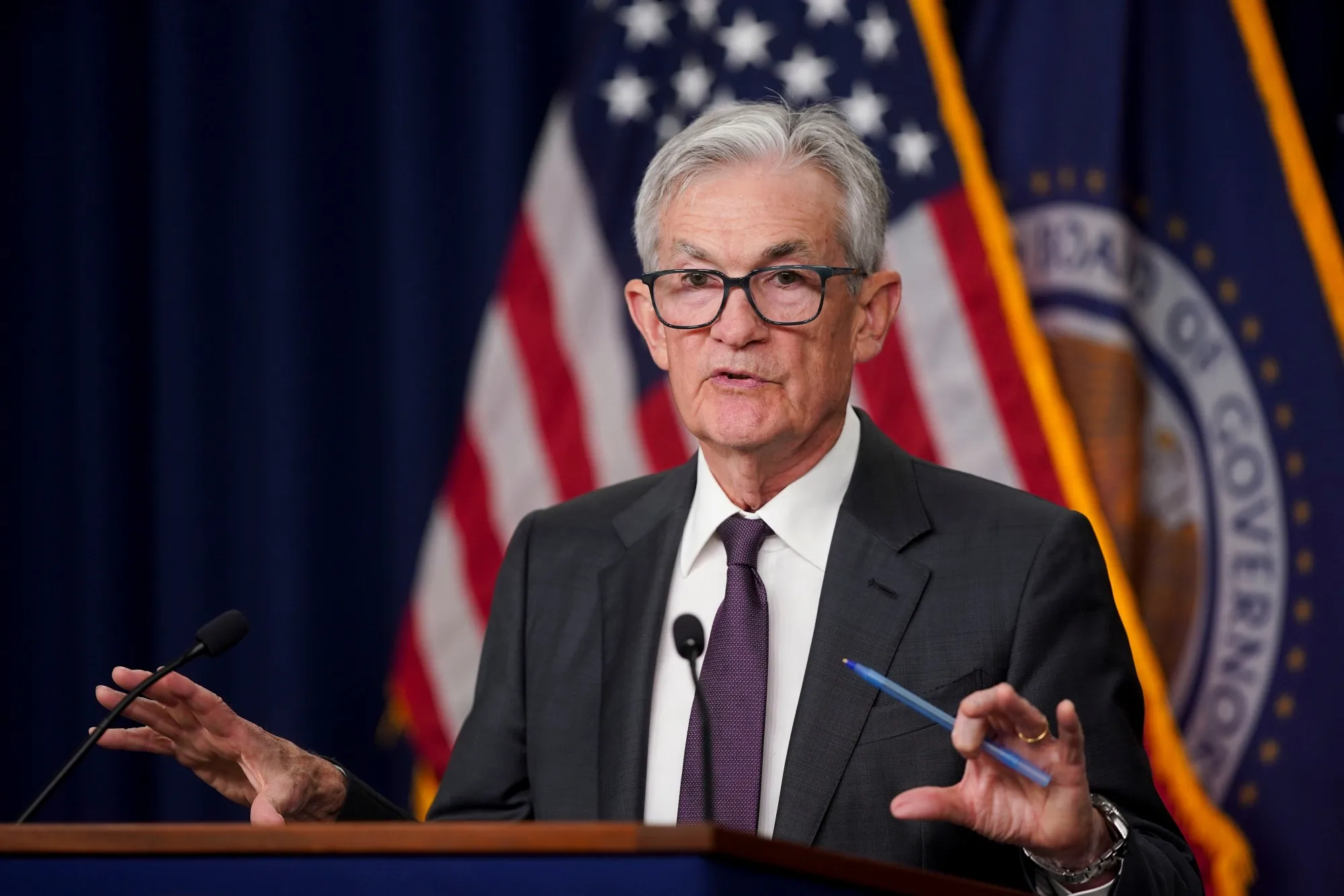
Energy markets are flashing warning signs. Brent crude jumped to over $107 per barrel, its highest level since 2022, driven by disruptions tied to the war.
That surge is already feeding into broader inflation concerns. Higher fuel costs often ripple into everyday expenses, from groceries to transportation.
“There’s never a good time for an adverse supply shock, but ideally the starting point would be low and stable inflation,” JPMorgan economists wrote in a note last Friday. “That will not be the case in this episode.”
Even Powell acknowledged the uncertainty surrounding the situation.
“The implications of events in the Middle East for the US economy are uncertain,” Powell said. “In the near term, higher energy prices will push up overall inflation, but it is too soon to know the scope and duration of the potential effects on the economy.”
Powell Pushes Back On Stagflation Fears
With inflation rising and economic growth showing signs of strain, some analysts have raised alarms about stagflation. Powell, however, isn’t convinced.
“I would reserve the term stagflation for a much more serious set of circumstances. That is not the situation we’re in,” Powell told reporters on Wednesday.
Still, he did not downplay the risks tied to persistent inflation pressures.
“It has been five years and we had the tariff shock, the pandemic, and now we have an energy shock of some size and duration. We don’t know what that will be,” he said. “You worry that is the kind of thing that can cause trouble for inflation expectations.”
“We worry a lot about that,” he added.
Rate Hike Still On The Table
While the Fed’s projections point to a possible rate cut, officials are not ruling anything out. In fact, some economists believe the next move could go in the opposite direction.
Powell kept his options open.
“We are prepared to do what needs to be done.”
That statement underscores the central bank’s delicate balancing act. Cutting rates could support a weakening economy, but it might also fuel inflation further.
Powell Vows To Stay Despite Ongoing Probe
Beyond economic policy, Powell addressed the growing controversy surrounding a Department of Justice investigation into his actions.
He made his stance unmistakably clear.
“I have no intention of leaving the board until the investigation is well and truly over with transparency and finality,” Powell said.
The probe centers on whether Powell misled Congress regarding a $2.5 billion renovation project at the Fed’s headquarters. Critics argue the investigation may be politically motivated, especially as pressure mounts from political figures calling for lower interest rates.
Still, Powell indicated he is focused on the institution rather than the politics.
“I will make that decision based on what I think is best for the institution and for the people we serve,” he said.
Political Pressure Adds To Fed Uncertainty
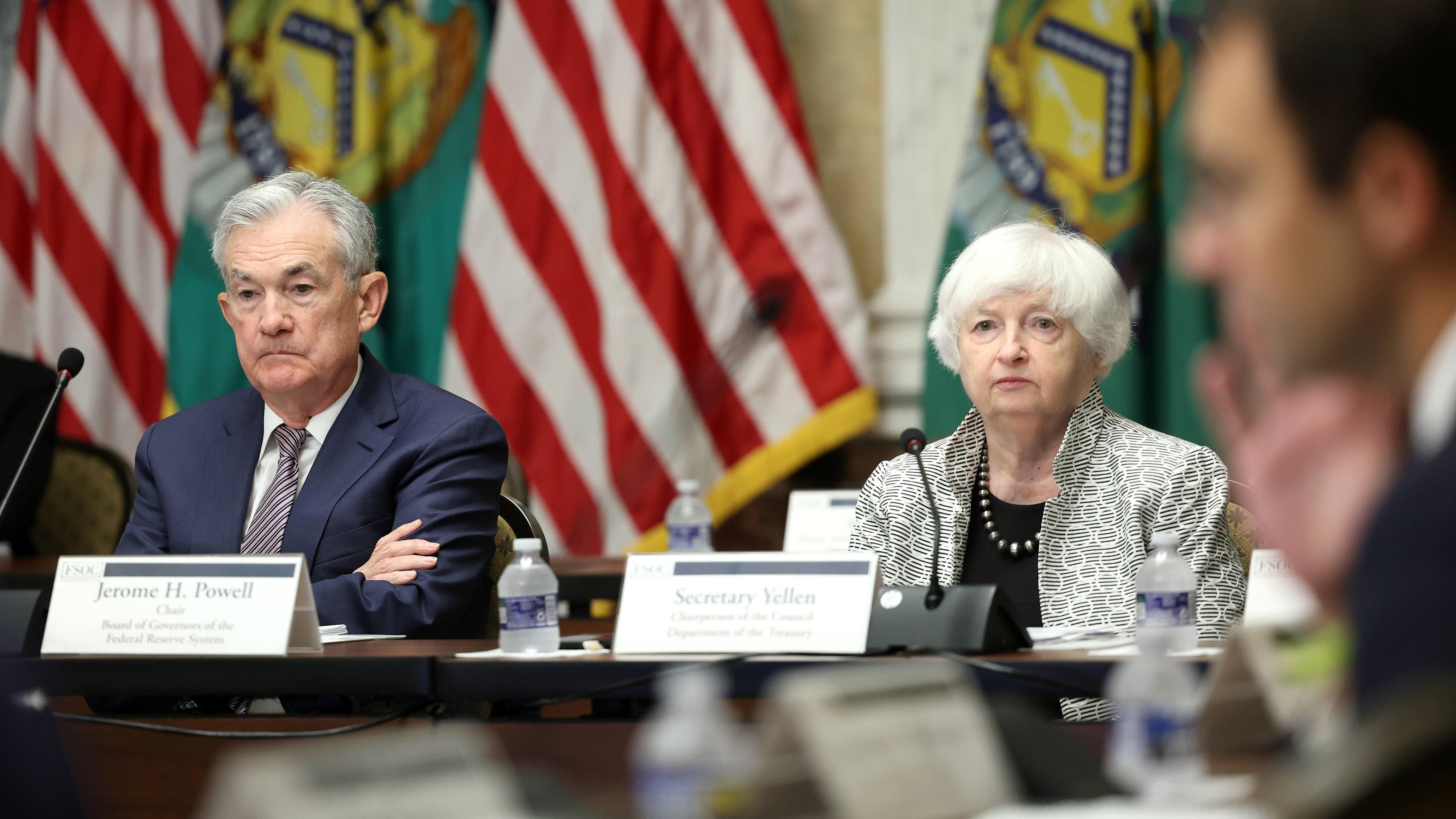
The situation is further complicated by a political standoff in Washington. A Republican senator is blocking the confirmation of President Donald Trump’s nominee, Kevin Warsh, until the Justice Department drops its investigation.
That gridlock could leave Powell in place longer than expected, potentially serving as interim chair if no successor is confirmed in time.
Meanwhile, tensions between the administration and the Fed continue to simmer, raising fresh concerns about the central bank’s independence.
Inflation Still Above Target
Although inflation has cooled from its peak in 2022, it remains above the Fed’s 2% target.
Recent data shows the Personal Consumption Expenditures index rising 2.8% annually, signaling that price pressures are far from under control.
At the same time, higher gas prices and global instability threaten to push those numbers even higher in the coming months.
A Fragile Economic Moment
So where does this leave the economy?
The Fed is walking a tightrope. On one side lies the risk of rising inflation fueled by energy shocks and tariffs. On the other, a fragile labor market that could weaken further if borrowing costs remain high.
For now, policymakers are choosing patience. But as global events continue to unfold, that strategy may not hold for long.