
The belief that cannabis can calm the mind or ease emotional struggles has gained traction in recent years. However, two sweeping scientific reviews are now challenging that assumption, delivering a stark message backed by decades of research.
According to experts analyzing gold-standard clinical trials, marijuana may not be the mental health remedy many think it is.
No Evidence Found For Mental Health Relief

Researchers reviewed decades of rigorous clinical data and reached a clear conclusion: cannabis does not effectively treat common mental health conditions.
“We found no evidence any form of cannabis is effective in treating anxiety, depression or post-traumatic stress disorder, which are three of the leading reasons for which cannabis is prescribed,” said Jack Wilson, a postdoctoral research fellow at the University of Sydney’s Matilda Centre for Research in Mental Health and Substance Use.
Wilson led one of the analyses published in Lancet Psychiatry, examining 54 randomized controlled trials conducted between 1980 and 2025.
“The cannabis medications being administered in these studies were largely oral formulations, such as capsules, sprays or oils,” he said. “In real life, people typically use smoked cannabis, and there is even less evidence of its effectiveness for mental health.”
The findings didn’t stop there. Researchers also found no meaningful benefit for a range of other conditions.
Using marijuana also did not improve other mental health conditions such as anorexia nervosa; bipolar disorder; obsessive-compulsive disorder, or OCD; or psychotic disorders such as schizophrenia, Wilson said.
Experts Say Evidence Falls Short
While studies on marijuana can be difficult to conduct and often involve small sample sizes, experts emphasize that randomized controlled trials remain the gold standard.
Dr. Deepak Cyril D’Souza, a psychiatry professor and director of a cannabis research center at Yale, reviewed similar data in a separate study.
“These two papers clearly show there isn’t any evidence to recommend the use of cannabis or cannabis derivatives to treat mental health,” D’Souza said. “Yet almost every state in the US approves medical marijuana for mental health conditions.”
That contrast raises an important question. Why is cannabis still widely prescribed for conditions it may not actually help?
Growing Use Despite Limited Benefits
Even as scientific support remains weak, the use of marijuana for mental health continues to rise.
“Despite a lack of proof of efficacy, doctors continue to prescribe medical marijuana to treat mental health conditions,” Wilson said. “In addition, the cannabis industry has connections with some of these studies, which is a conflict of interest that may impact the findings.”
He added that roughly 27% of people aged 16 to 65 in the United States and Canada have used marijuana for medical purposes, with many turning to it specifically for mental health.
Risks May Outweigh Any Perceived Gains
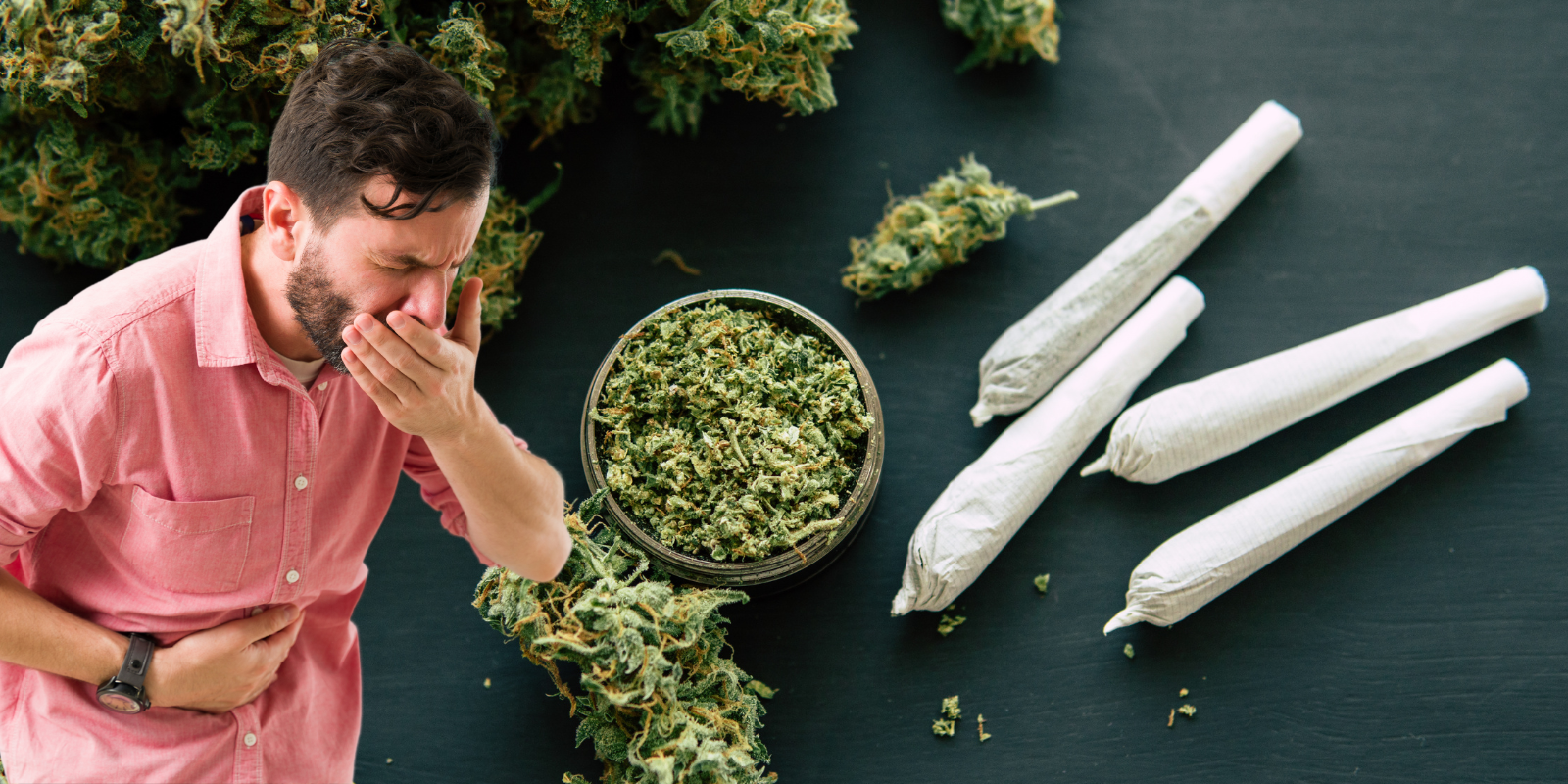
Instead of delivering relief, marijuana use may carry serious risks, particularly for vulnerable groups.
Research shows that using cannabis during key stages of life, including adolescence and pregnancy, can interfere with brain development. Meanwhile, heavy use among young people with mood disorders has been linked to higher risks of self-harm, suicide attempts and death.
For individuals already at risk of serious psychiatric conditions, the dangers may be even greater.
“While there may be thousands, perhaps millions, of people who use cannabis sporadically, in very modest amounts and do not experience adverse events, we also know of people who used cannabis a few times and suffered catastrophic adverse events that altered the trajectory of their life forever,” D’Souza said.
“If you are a daily user of high potency cannabis, for example, you may be six times more likely to develop a psychotic disorder such as schizophrenia or bipolar disorder than somebody who’s never used cannabis,” he said.
Today’s Marijuana Is Far More Potent
Another key concern lies in the strength of modern cannabis products.
Today’s marijuana contains significantly higher levels of THC, the compound responsible for its psychoactive effects. In the 1970s, THC levels hovered around 4%. Now, average concentrations range from 18% to 20%, with some products far exceeding that.
“You can now buy cannabis in dispensaries that has a THC content of 35%,” D’Souza said. “Marijuana concentrates, which are similar to nicotine concentrates, have a THC content of 80%. That’s about 20 times greater than the THC content of cannabis from the 1960s and ‘70s.”
This surge in potency is also fueling addiction concerns.
Health authorities estimate that about 3 in 10 marijuana users develop cannabis use disorder, a condition marked by dependency and withdrawal symptoms such as irritability, restlessness, appetite changes, and sleep disturbances.
Proven Treatments Still Lead The Way
While cannabis falls short, experts stress that effective treatments for mental health conditions are widely available.
Medications such as selective serotonin reuptake inhibitors, or SSRIs, remain a common and evidence-based approach for treating anxiety and depression.
Meanwhile, cognitive behavioral therapy, known as CBT, continues to be one of the most trusted forms of psychotherapy. It focuses on reshaping negative thought patterns and improving emotional regulation through structured, goal-oriented strategies.
For those seeking help, organizations like the Association for Behavioral and Cognitive Therapies and the American Psychological Association provide tools to find qualified therapists.