
A wave of resistance is building across Hollywood, and it is coming from some of the industry’s biggest names. More than 1,000 professionals, including Bryan Cranston, Jane Fonda, and Joaquin Phoenix, have united to challenge a massive corporate deal they say could reshape the future of entertainment, and not for the better.
Hollywood Unites Against Media Consolidation
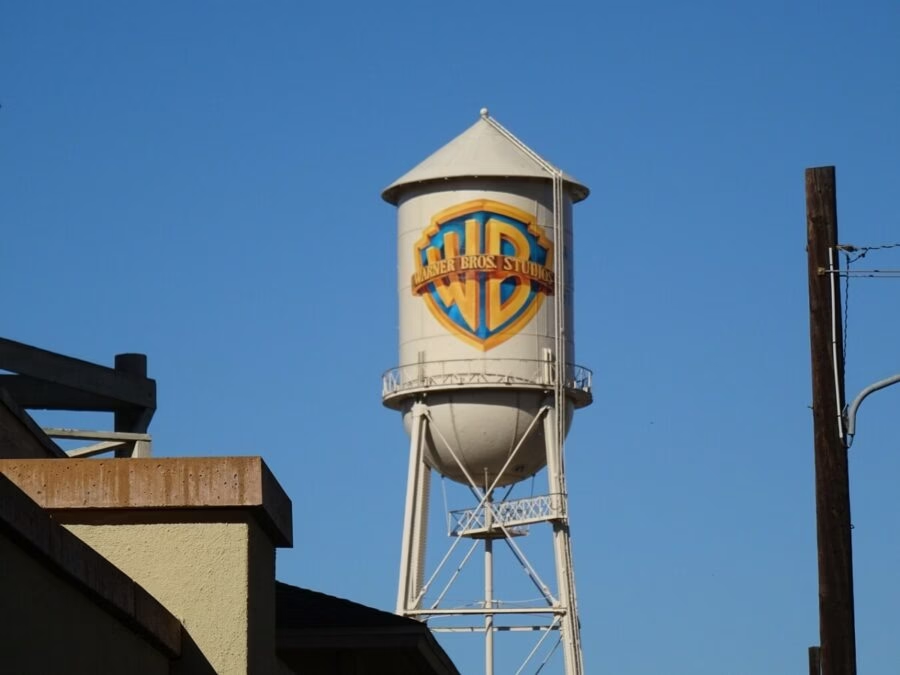
The open letter, released Monday, takes direct aim at the proposed merger between Paramount Skydance and Warner Bros. Discovery. The message is clear, urgent, and deeply critical.
“This transaction would further consolidate an already concentrated media landscape, reducing competition at a moment when our industries—and the audiences we serve—can least afford it,” the signatories wrote.
That concern runs deeper than just corporate restructuring. Instead, it reflects a growing fear that fewer studios will mean fewer opportunities across the board.
Fears Of Fewer Jobs And Creative Opportunities
According to the letter, the consequences could be wide-ranging and damaging.
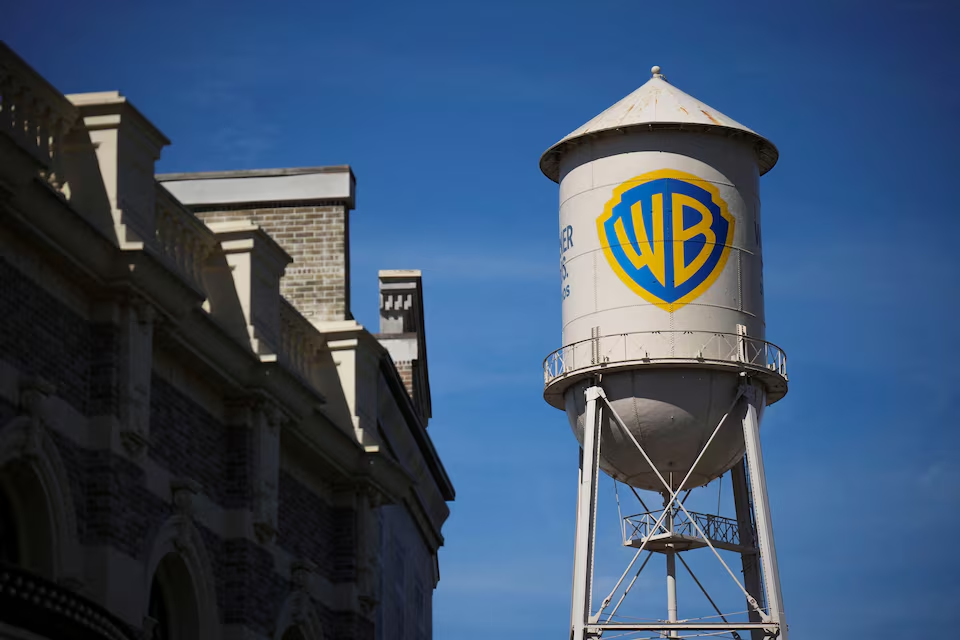
“The result will be fewer opportunities for creators, fewer jobs across the production ecosystem, higher costs, and less choice for audiences in the United States and around the world. Alarmingly, this merger would reduce the number of major U.S. film studios to just four,” the signatories added.
Meanwhile, the list of those backing the protest reads like a who’s who of Hollywood. Stars like Glenn Close and Ben Stiller joined acclaimed directors such as Yorgos Lanthimos and Denis Villeneuve. Even David Chase, the creator of The Sopranos, added his name to the growing opposition.
Industry Struggles Already Mounting
Still, critics argue this merger comes at a time when Hollywood is already under pressure.
“Media consolidation has accelerated the disappearance of the mid-budget film, the erosion of independent distribution, the collapse of the international sales market, the elimination of meaningful profit participation, and the weakening of screen credit integrity,” the signatories wrote.
“Together, these factors threaten the sustainability of the entire creative community,” they added.
That statement paints a stark picture. Mid-budget films are disappearing, independent voices are shrinking, and financial incentives for creators are weakening. For many, this merger could push those trends even further.
Paramount Responds To Backlash
However, David Ellison, the head of Paramount Skydance, has taken a different stance. After securing the deal in February, beating out Netflix, Ellison emphasized long-term growth.
He has pledged to “honor the legacy of two iconic companies while accelerating our vision of building a next-generation media and entertainment company.”
In response to the backlash, the company issued a statement acknowledging concerns.
“We hear and understand the concerns that some in our creative community have raised and respect the commitment to protecting and expanding creativity.”
The company also stressed its commitment to production output and creative independence.
“We understand the concerns raised as a result of the disruptions caused to our industry by COVID, entry of big-tech, and changes in consumer behavior, but we promise this: Paramount remains deeply committed to talent, and this merger strengthens both consumer choice and competition, creating greater opportunities for creators, audiences and the communities they live and work in,” the media conglomerate said.
Free Speech Concerns Enter The Debate
The pushback is not only about economics. It is also about creative freedom.
The letter was supported by advocacy groups, including the Committee for the First Amendment. Jane Fonda warned that the merger “would be one of the most destructive threats to free speech and creative expression in our history.”
That claim adds another layer of urgency, suggesting the deal could influence not just business outcomes but also the kind of stories that get told.
Regulatory Scrutiny Intensifies
At the same time, regulators are watching closely. Rob Bonta has already signaled that the deal faces serious review.
“These two Hollywood titans have not cleared regulatory scrutiny — the California Department of Justice has an open investigation, and we intend to be vigorous in our review,” Bonta said in a Feb. 26 post on X.
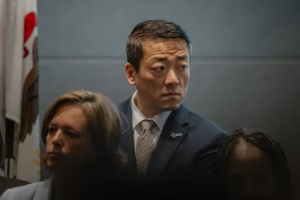
Meanwhile, the U.S. Justice Department continues to examine the merger on antitrust grounds. Omeed Assefi pushed back on claims of political bias.
“The idea that somehow enforcement has been politicized is ludicrous,” Acting Assistant Attorney General Omeed Assefi told Reuters.
Across the Atlantic, scrutiny is also building. The Competition and Markets Authority has begun preliminary steps toward a formal investigation.
“We expect to launch our phase 1 investigation in the coming weeks,” a spokesperson said.
“Effective competition helps ensure UK customers can enjoy quality content at a competitive price. The film and TV industries contribute billions to our economy, so it’s important we assess whether deals between studios may harm competition,” the spokesperson added.
What Comes Next For Hollywood?
The battle over this merger is far from over. With regulators still reviewing the deal and opposition growing louder, the outcome remains uncertain.
Still, one thing is clear. Hollywood is not staying silent.