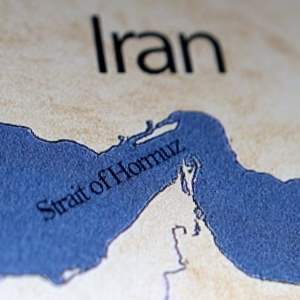

Tensions surged across the global stage Monday as President Donald Trump intensified pressure on allies to intervene in the Strait of Hormuz, even as key nations flatly rejected calls to send warships into the volatile region.
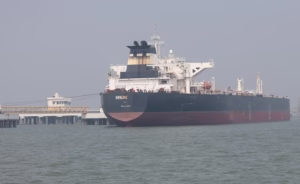
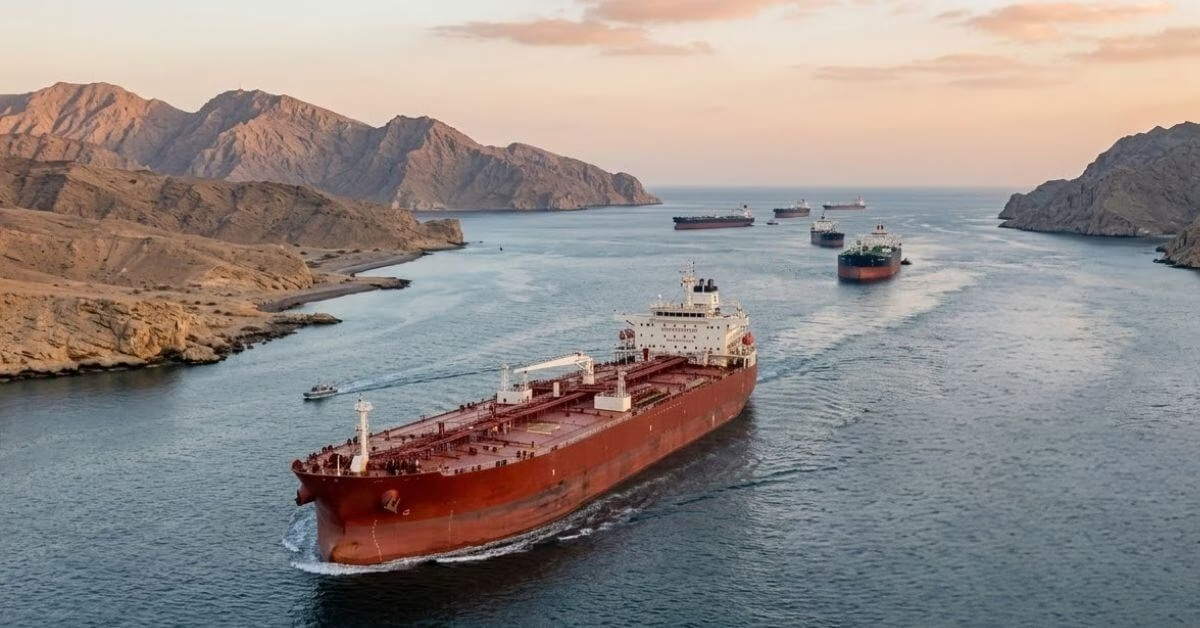
The growing standoff comes as the vital shipping route, responsible for roughly one-fifth of global oil and liquefied natural gas flows, remains effectively shut down amid escalating conflict with Iran.
Allies Reject Military Deployment Requests
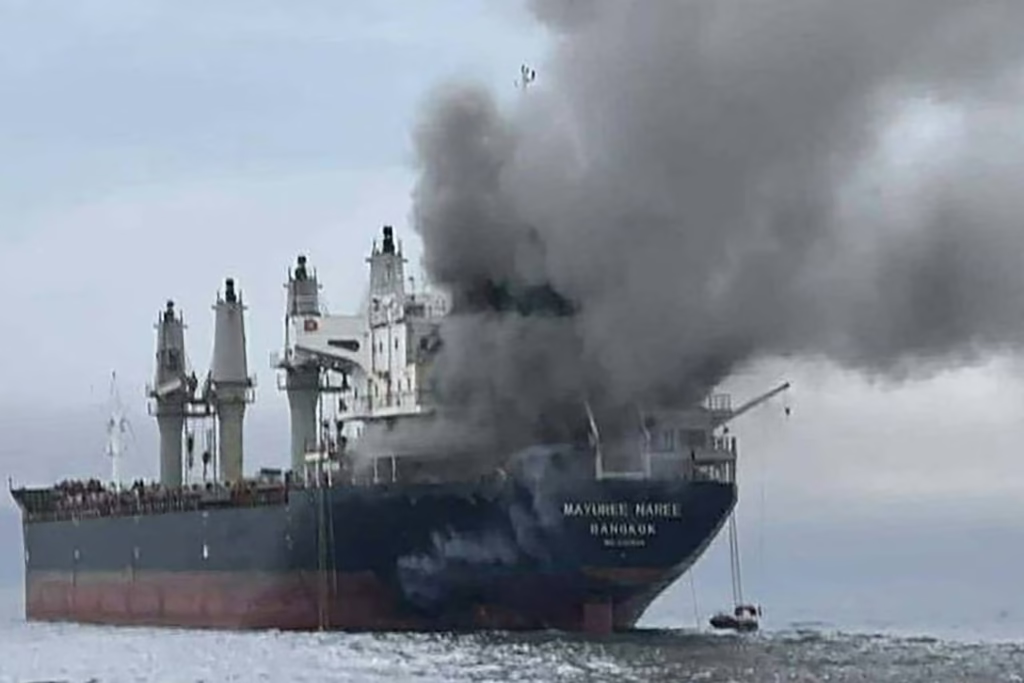
Despite mounting pressure from Washington, major allies including the United Kingdom, Germany, France, Italy, Australia, and Japan have declined to commit naval forces.
Instead, European leaders are urging caution. Many say they need clarity on the broader military objectives behind the ongoing US and Israeli actions before taking any further steps.
Margus Tsahkna voiced the concern shared by several European governments, stressing the need to understand Trump’s “strategic goals. What will be the plan?”
Meanwhile, diplomatic channels remain the preferred route for many nations seeking to de-escalate tensions and reopen the waterway without further military involvement.
Strait Closure Sends Shockwaves Through Energy Markets
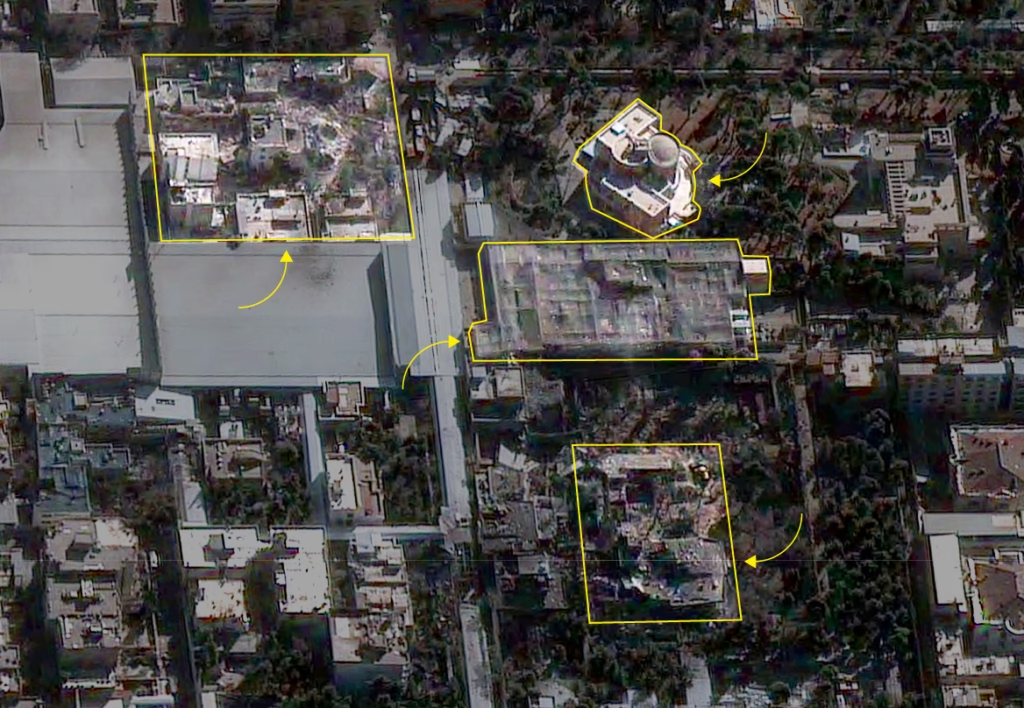
The Strait of Hormuz has become the focal point of a deepening crisis after Iran deployed drones, missiles, and naval mines, effectively halting tanker traffic through one of the world’s most critical energy corridors.
The disruption has triggered what analysts describe as one of the most severe oil supply shocks in modern history, raising fears of prolonged economic fallout.
Still, Trump doubled down during a press briefing, stating “some are very enthusiastic about it and some aren’t”.
He went further, openly criticizing allies, adding he was “not happy with the UK”, though he expressed confidence it would ultimately participate.
Trump’s Mixed Messaging Draws Criticism
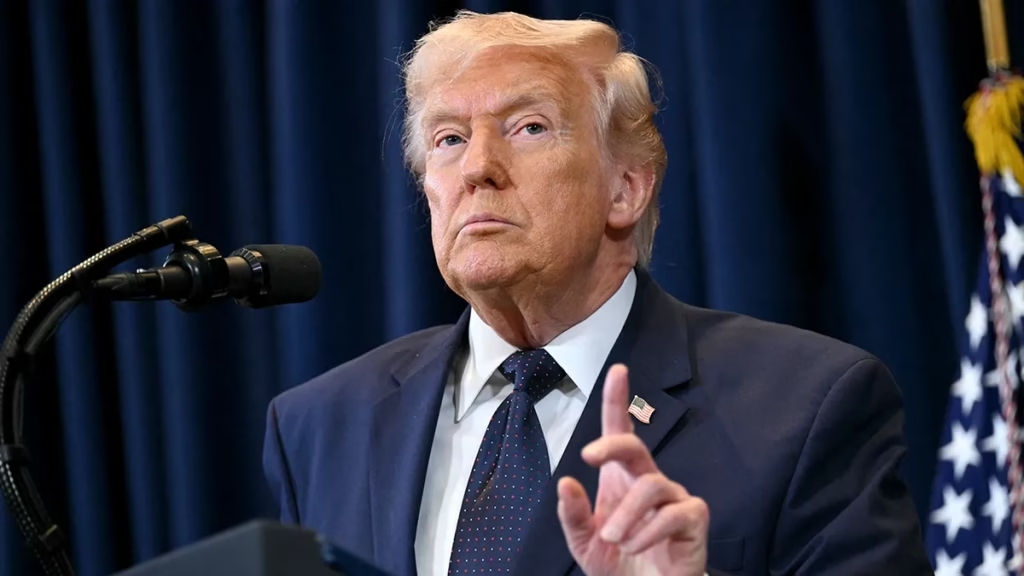
However, the president’s messaging has sparked confusion and backlash.
Just a day earlier, Trump appeared to question the necessity of US involvement altogether, telling reporters that “maybe we shouldn’t even be there at all”.
The remark came even as he pushed NATO partners to step in, creating a striking contradiction that critics quickly seized upon.
At the same time, Trump defended his position by declaring, “Really, I’m demanding that these countries come in and protect their own territory – because it is their territory,” underscoring his insistence that allies bear responsibility for securing the region.
Americans Stranded Abroad Voice Frustration
Away from the geopolitical maneuvering, US citizens living across the Middle East are raising alarm over what they describe as a lack of planning.
Many reported feeling abandoned in the early days of the conflict, with some openly criticizing the State Department for failing to provide evacuation support.
One individual described feeling “angry” at the response, while another said they felt “betrayed” and treated as “an afterthought”.
The criticism highlights growing domestic pressure on the administration as the crisis unfolds.
Legal Battles And Policy Turmoil At Home
Back in Washington, Trump faced additional challenges on multiple fronts.
After a Supreme Court ruling struck down several tariffs introduced last year, the president fired back, insisting he has “the absolute right” to impose new trade measures.
He also lashed out at the court, accusing it of having “unnecessarily RANSACKED” the United States.
Meanwhile, broader policy disputes continue to pile up, from immigration protections to vaccine oversight, adding further strain to an already turbulent political landscape.
China Talks Continue Amid Rising Tensions
Amid the uncertainty, China confirmed it remains in contact with the US regarding a potential visit by Trump to Beijing.
Still, the trip’s future appears uncertain, particularly as tensions over Hormuz and broader geopolitical disputes intensify.
A World Watching Closely
As the crisis deepens, the stakes could hardly be higher.
The Strait of Hormuz remains a choke point for global energy, and any prolonged disruption threatens ripple effects across economies worldwide.
Yet with allies hesitant, diplomacy uncertain, and rhetoric escalating, one question looms large: how far is this standoff willing to go?