

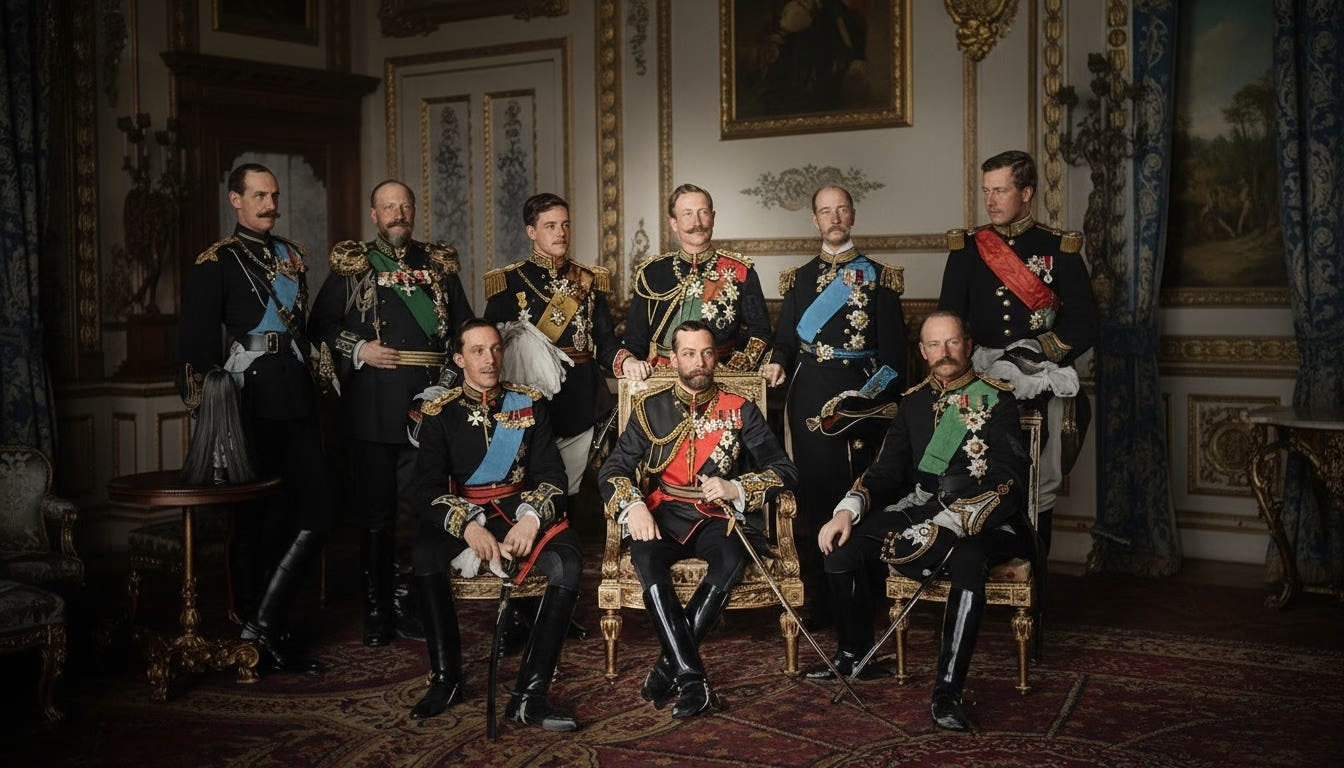
Wars can look sudden from the outside. A border clash happens, leaders make threats, armies move, and violence begins. But in most cases, war does not start from one moment alone. It grows from deeper tensions that build over time.
That is why so many people ask, What Causes Wars? The answer is not always simple, but it can be explained in clear terms. Wars often begin when power, fear, territory, resources, identity, and political goals collide. Sometimes one cause stands out. More often, several causes work together until peaceful solutions break down.
What Causes Wars In History?
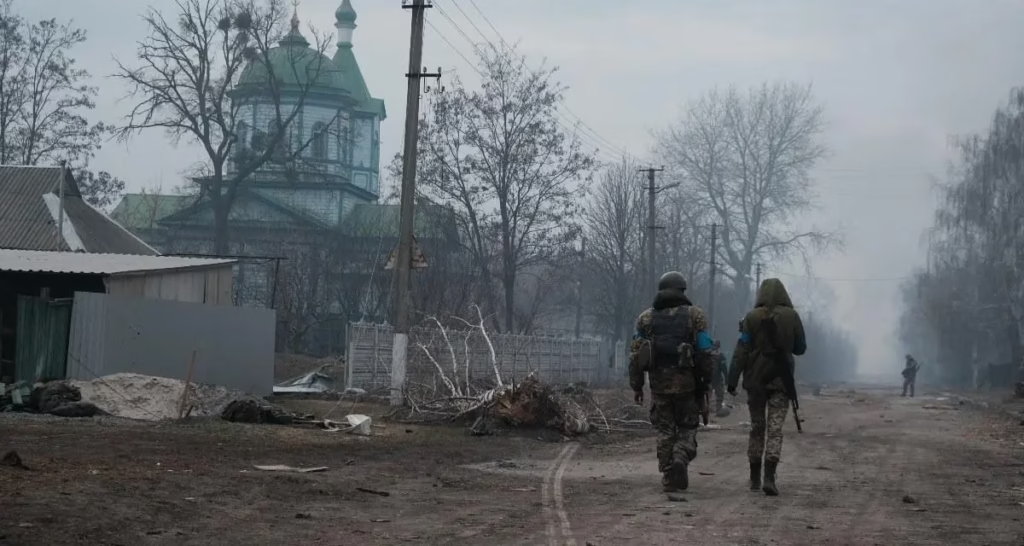
When people ask What Causes Wars, they are really asking why governments, groups, or nations choose violence over negotiation. History shows that wars usually begin when leaders believe fighting will help them gain something, defend something, or avoid losing power.
In many cases, war grows from long-term disputes. These may involve land, borders, religion, money, control, or national pride. A single event may trigger the fighting, but the deeper causes were often there for years.
War rarely has one cause
Most wars do not begin because of one simple reason. They begin because several pressures come together at the same time. A weak economy, aggressive leadership, military buildup, and public anger can create a dangerous mix.
For example, one country may fear attack, while another wants more territory. Both sides may believe they are acting in self-defense. That is one reason conflict can escalate so quickly.
Triggers are not the same as causes
It helps to separate a trigger from a cause. A trigger is the event that starts the fighting. A cause is the deeper issue behind it.
A border incident, an assassination, or a military strike may act as the trigger. But the real cause may be years of rivalry, mistrust, or competition for control.
Power And The Desire To Control
One of the strongest answers to What Causes Wars is the struggle for power. States, rulers, and empires have often gone to war because they wanted more influence, more control, or a stronger position against rivals.
Power can be political, military, or economic. Leaders may believe that war will make their country stronger or stop another country from becoming too powerful.
Expansion and empire
Throughout history, many wars started because rulers wanted to expand their territory. They invaded nearby lands to gain strategic position, wealth, or prestige. Empires were often built this way.
This pattern appears again and again. A powerful state sees weakness in a neighbor and decides to move in. The public may be told the war is defensive, but the real goal is often control.
Balance of power
Sometimes war begins because countries fear one side is becoming too strong. When one power rises quickly, others may form alliances or prepare for conflict. They worry that waiting will leave them in a weaker position.
This is why arms races are so dangerous. Each side says it is preparing for safety, but both sides make the other feel threatened.
Territory, Borders, And Land Disputes
Land matters in politics. Borders define power, security, and identity. When two sides claim the same land, tension can become severe. This is another major answer to What Causes Wars.
Some land is valuable because of trade routes, ports, rivers, or military location. Other land matters because people see it as part of their history or national identity. That emotional value can make compromise very hard.
Strategic value of land
Not every piece of land is fought over for the same reason. Some areas matter because they sit near important roads, seas, or mountain passes. Controlling them gives military or economic advantage.
A government may decide that losing such territory would leave it exposed. Another may see that same territory as necessary for expansion or defense.
Historical claims and identity
Borders are not just lines on a map. They often connect to memory, culture, and pride. When a group believes a region belongs to them by history, language, or ancestry, they may resist compromise.
That is why territorial conflicts often last for decades. They are not only about land. They are about belonging.
Fear, Mistrust, And Miscalculation
Fear plays a huge role in war. Leaders may attack not because they want immediate conquest, but because they believe the other side is planning to strike first. In this way, fear itself can become a cause of violence.
Mistrust makes diplomacy harder. Even when leaders say peaceful things, their opponents may not believe them. Once both sides expect the worst, war becomes more likely.
The security dilemma
A country may build its army because it wants to feel safe. But its neighbor may see that buildup as a threat and respond by expanding its own military. Then the first country feels even less secure.
This cycle is called a security dilemma. Both sides may claim they want peace, yet each step makes conflict more likely.
Mistakes and false assumptions
Wars can also begin because leaders misread each other. One side may think the other will back down. Another may expect allies to step in. Some leaders assume a war will be short and easy, only to discover they were badly wrong.
These errors can turn a crisis into a disaster. Pride, poor intelligence, and overconfidence often make matters worse.
Resources, Money, And Economic Pressure
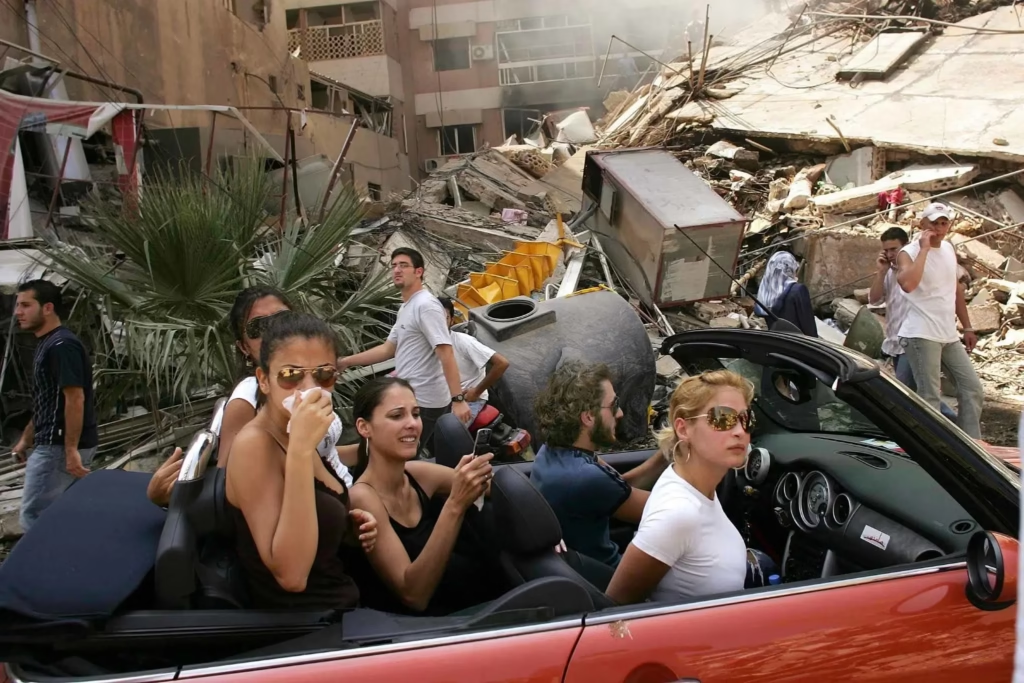
Another clear answer to What Causes Wars is competition over resources. Countries and armed groups may fight over oil, water, minerals, farmland, or trade routes. Economic need can sharpen political tension fast.
Resources matter because they support both daily life and national strength. A state that controls energy, food, or transport routes holds real power.
Scarcity and survival
When resources become scarce, stress grows. Drought, food shortages, or water disputes can raise fear and anger. In fragile states, that pressure may help spark armed conflict.
Not every shortage leads to war. But scarcity can weaken stability and make existing tensions more explosive.
Wealth and economic gain
Some wars are also driven by profit. Leaders, companies, or armed groups may benefit from controlling mines, oil fields, or smuggling routes. In such cases, war becomes tied to money as much as politics.
Economic motives are often hidden behind patriotic language. Still, the financial interests can be very real.
Nationalism, Identity, And Ideology
People do not fight only for land or wealth. They also fight over ideas and identity. Nationalism, religion, ethnicity, and political belief can all shape conflict. These forces help explain What Causes Wars in many parts of the world.
When people believe their nation, faith, or group is under threat, emotions rise quickly. Leaders can use those feelings to gain support for war.
National pride and grievance
Nationalism can unite a country, but it can also push it toward conflict. If leaders tell citizens that their nation has been humiliated, cheated, or denied its rightful place, public support for confrontation may grow.
This becomes even more dangerous when schools, media, or political speeches repeat the same message over many years.
Ideological struggle
Wars are sometimes fought over competing systems of belief. Democracies, dictatorships, communist states, religious movements, and revolutionary groups may each claim their model should prevail.
In these conflicts, each side may see the other not just as a rival, but as a threat to its way of life. That makes compromise harder.
Weak Leadership And Failed Diplomacy
Peace depends heavily on leadership. Good leaders can reduce tension, communicate clearly, and make hard compromises. Weak or reckless leaders can do the opposite. That is another key part of What Causes Wars.
Diplomacy fails when leaders stop listening, refuse compromise, or use threats instead of talks. In moments of crisis, even small mistakes can carry huge consequences.
Leaders may use war for politics
Sometimes leaders choose conflict to strengthen their position at home. A government facing protest, economic trouble, or falling popularity may use external conflict to rally public support.
War can distract from internal failure. It can also help leaders present themselves as strong defenders of the nation.
Institutions may be too weak
International organizations, treaties, and peace agreements can reduce violence, but they do not always work. If rules are weak, enforcement is limited, or trust is low, conflict can still break out.
When peaceful systems fail to settle disputes, force becomes more likely.
Why Small Conflicts Become Big Wars
Not every dispute becomes a major war. But some local conflicts expand because more actors get involved. Alliances, outside funding, weapons support, and regional rivalries can turn one clash into a much larger struggle.
This is important when asking What Causes Wars, because the original dispute is not always the full story. A war may grow because others see an opportunity or a threat.
Some of the main reasons wars spread include:
- Military alliances that pull in partners
- Foreign funding or weapons for one side
- Refugee flows and border instability
- Competing regional ambitions
- Fear that inaction will create bigger risks later
Once a conflict widens, ending it becomes much harder.
Why Peace Sometimes Fails
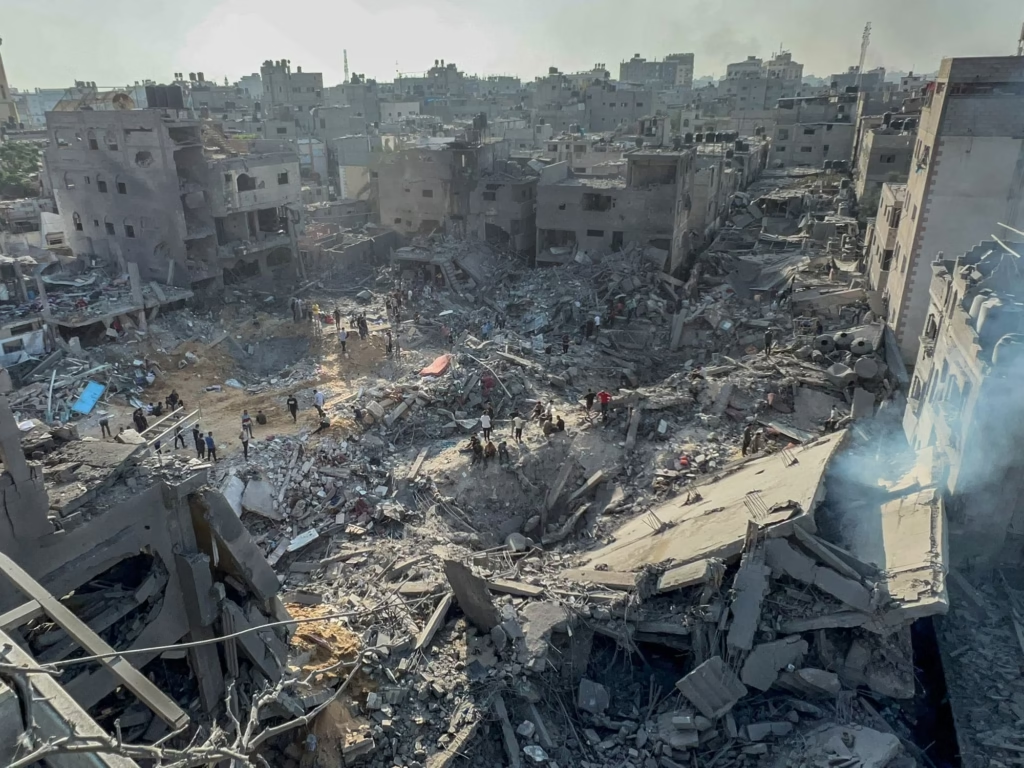
People often assume that war happens because peace was never possible. That is not always true. In many cases, peace talks existed, but they failed because the sides did not trust each other or did not believe compromise would last.
Peace can fail for several reasons:
- Demands are too extreme
- Leaders fear looking weak
- Past violence blocks trust
- Outside actors interfere
- Ceasefires break too easily
A peace process needs more than meetings. It needs enforcement, patience, and real political will.
The Simple Answer That Matters
So, What Causes Wars? In simple terms, wars happen when leaders or groups believe fighting will protect their interests, increase their power, or defend their identity better than peace can. The causes may include fear, land disputes, competition for resources, nationalism, ideology, and failed diplomacy.
No two wars are exactly the same. But most follow a familiar pattern. Tension builds. Trust weakens. Leaders harden their positions. A trigger appears. Then violence begins.
Understanding these causes matters because war is not usually random. It grows from choices, systems, and pressures that can often be seen in advance. The better people understand those patterns, the better chance they have to prevent the next conflict before it starts.