

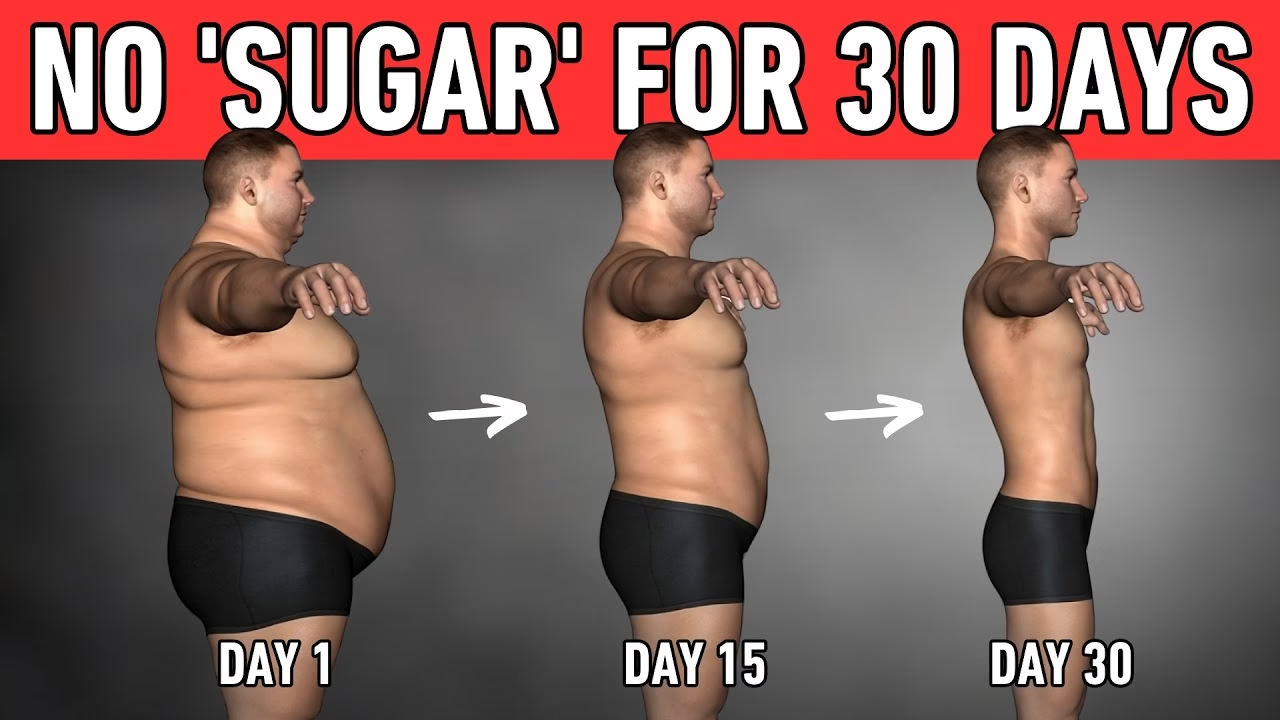
Sugar is part of daily life for many people, often showing up in drinks, snacks, sauces, cereals, and packaged foods. That is why many people wonder what happens if you stop eating sugar for a full month. The answer is not always simple, because the body may respond in stages. Some effects show up in the first few days, while others become more noticeable after a few weeks.
For some people, the change can bring fewer cravings, steadier energy, and better eating habits. Others may deal with headaches, mood swings, or tiredness at first. Understanding what happens if you stop eating sugar can help people prepare for the short-term discomfort and stay focused on the long-term benefits.
What Happens If You Stop Eating Sugar In The First Few Days
The first few days are often the hardest. When someone cuts out added sugar, the body reacts to a sudden drop in something it has been getting regularly. This is especially true for people who eat sweets, sugary drinks, desserts, or processed foods every day.
In the beginning, what happens if you stop eating sugar may feel unpleasant rather than exciting. The body and brain are adjusting, and cravings can become stronger before they fade.
Common Early Symptoms
Many people notice short-term effects such as:
- headaches
- irritability
- fatigue
- low mood
- stronger cravings
- trouble focusing
These symptoms do not happen to everyone, but they are common. The more sugar a person normally eats, the more noticeable the adjustment may feel.
Why The First Week Feels Different
Sugar can affect reward signals in the brain. When it is removed, the brain may briefly react as if something important is missing. That is one reason people often feel restless or frustrated in the early stage.
At the same time, blood sugar may become less erratic. That can be a good thing, but the body still needs time to settle into a new rhythm.
Energy Levels Often Become More Stable
One of the biggest reasons people ask what happens if you stop eating sugar is because they want better energy. Sugary foods often give a quick boost, but that boost usually does not last long. It is often followed by a crash that leaves a person tired, hungry, or distracted.
When added sugar is reduced, many people begin to feel more stable throughout the day. This change may not happen on day one. In fact, the opposite can happen first. But after the body adjusts, energy levels may become more even.
Less Afternoon Slump
A typical pattern with high sugar intake looks like this:
- quick rise in energy
- short burst of alertness
- drop in blood sugar
- tiredness or irritability
- urge to snack again
Without that repeated cycle, the body may rely more on balanced meals for fuel. That often leads to fewer spikes and crashes.
Better Focus During The Day
Steadier energy can also support better concentration. Some people find it easier to work, study, or stay productive when they are not moving from sugar highs to low-energy periods.
This is one practical answer to what happens if you stop eating sugar. It is not just about weight or appearance. It can also affect how steady a person feels hour by hour.
Cravings May Get Worse Before They Improve
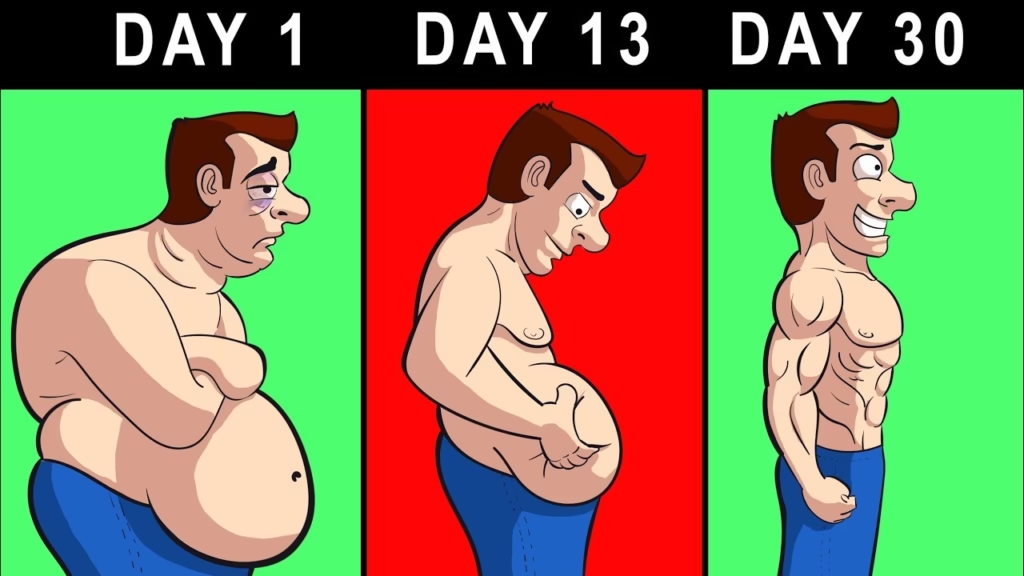
Cravings are one of the biggest challenges during a no-sugar month. People often expect cravings to disappear right away, but that is not usually how it works. In the first several days, cravings can become intense.
This part matters when discussing what happens if you stop eating sugar, because many people quit too early and assume the plan is not working.
Why Cravings Feel So Strong
Cravings are often tied to habit, emotion, and routine, not just hunger. A person may want sugar:
- after meals
- during stress
- late at night
- while watching TV
- when feeling bored
- as a quick comfort food
That means giving up sugar is often partly physical and partly behavioral.
When Cravings Start To Ease
For many people, cravings begin to ease after the first one to two weeks. Once the body gets used to less sweetness, highly sugary foods may even start to taste too sweet. Fruit may become more satisfying, and the need for dessert after every meal may fade.
That change is one of the clearest examples of what happens if you stop eating sugar over time. The desire for constant sweetness often becomes less intense.
Mood And Sleep Can Shift
Mood and sleep are closely linked to food habits. A high-sugar diet may contribute to rapid changes in energy and appetite, which can also affect emotional balance. Removing added sugar may help some people feel calmer and more balanced after the early adjustment phase.
Still, the first week can bring the opposite experience. Mood swings, irritation, and low patience are common when sugar intake suddenly drops.
Possible Mood Changes

Some people report:
- feeling edgy in the first few days
- fewer mood swings after two weeks
- more emotional control during the day
- less dependence on sweet foods for comfort
These changes depend on the person’s usual diet, stress level, sleep quality, and overall health.
Sleep May Improve Gradually
People who cut out sugary snacks, especially late at night, may notice better sleep. This may happen because their energy becomes steadier, their eating schedule improves, and late-night blood sugar swings become less frequent.
When people ask what happens if you stop eating sugar, better sleep is often not the first thing they think about. But it can become one of the most useful benefits over a full month.
Weight Changes May Happen Naturally
Many people start a sugar-free month because they want to lose weight. Weight loss is possible, but it is not guaranteed. The result depends on what foods replace sugar and how much a person eats overall.
If sugary drinks, desserts, and processed snacks are replaced with balanced meals, total calorie intake may drop. That can support weight loss over time.
Why Cutting Sugar Can Affect Weight
Added sugar is often found in foods that are easy to overeat and not very filling. These include:
- soda
- sweet coffee drinks
- pastries
- candy
- packaged desserts
- flavored snacks
Removing these foods may help reduce empty calories. It may also make it easier to notice real hunger and fullness cues.
It Is Not Only About The Scale
Even if body weight does not change much in 30 days, other improvements may still happen. A person may feel less bloated, more in control of eating, and less dependent on frequent snacking.
So when asking what happens if you stop eating sugar, the answer should not be limited to pounds lost. Better eating patterns can matter just as much.
Skin And Digestion May Look Better
Some people notice visible changes in their skin after cutting back on sugar. Others feel a difference more in digestion than appearance. While results vary, both are common reasons people stick with the change.
A diet high in sugary, processed foods may go hand in hand with low fiber intake and irregular eating habits. When sugar is reduced, people often start eating more whole foods, which can support digestion and overall appearance.
Possible Skin Benefits
Over a month, some people report:
- fewer breakouts
- less puffiness
- a more even look to the skin
- less dryness linked to poor eating habits
This does not happen for everyone, but it is a common observation.
Digestive Changes
If a person replaces sugary processed foods with fruit, vegetables, whole grains, and protein-rich meals, digestion may improve. They may feel fuller longer and experience fewer sudden hunger signals.
That is another practical way to understand what happens if you stop eating sugar. The change often affects more than cravings alone.
Better Food Awareness Usually Follows
One overlooked benefit of a sugar-free month is improved awareness. People start reading labels more carefully. They notice how often sugar appears in sauces, breads, cereals, dressings, and packaged snacks. They also become more aware of emotional eating patterns.
This makes the challenge useful even if a person does not plan to avoid sugar forever.
Habits People Often Notice
During the month, many people realize:
- they were eating sugar out of habit, not hunger
- drinks were a major source of sugar
- stress increased their desire for sweets
- packaged foods contained more sugar than expected
That awareness can lead to better decisions long after the month ends.
Long-Term Value Of The Experiment
A 30-day break can help reset taste preferences and daily habits. After that, some people choose to stay very low in added sugar, while others bring back small amounts in a more controlled way.
Either way, learning what happens if you stop eating sugar can help a person build a healthier relationship with food instead of following patterns on autopilot.
What To Expect By Week Four
By the fourth week, the toughest part is often over. The body has had time to adjust, and many people feel more confident in their routine. Cravings are usually lower than they were in week one. Energy may feel more stable. Meals may feel more satisfying without needing dessert after them.
At this point, what happens if you stop eating sugar becomes easier to answer because the changes are more visible in daily life.
Common Week Four Improvements
People may notice:
- steadier appetite
- less snacking
- improved energy balance
- fewer intense cravings
- better control around sweets
- stronger awareness of food choices
Not everyone experiences every benefit, but many people notice at least a few meaningful changes.
Healthy Changes That Often Last
A month without added sugar can teach the body and mind a lot. The first days may feel rough, especially for people who are used to daily sweets or sugary drinks. But after that early adjustment, many people begin to feel more balanced, more aware, and less controlled by cravings.
That is the real value in learning what happens if you stop eating sugar. It is not only about cutting something out. It is about seeing how food affects energy, mood, appetite, sleep, and overall routine. Even if someone does not stay sugar-free forever, the experience can lead to smarter and more moderate habits in the future.