

Prices do not stay the same forever. The cost of food, fuel, rent, transport, and other daily needs often changes over time. That steady rise in prices is one reason people ask, What is Inflation and why does it affect everyday life so much? Inflation is not just an economic term used by experts. It shapes how far money goes, how businesses plan, and how families manage monthly budgets.
When inflation rises too quickly, people feel pressure almost everywhere. Groceries cost more, bills become harder to manage, and savings may lose value. At the same time, moderate inflation is considered normal in most economies. Understanding how it works helps people make better choices about spending, saving, borrowing, and investing.
What is Inflation and How It Works
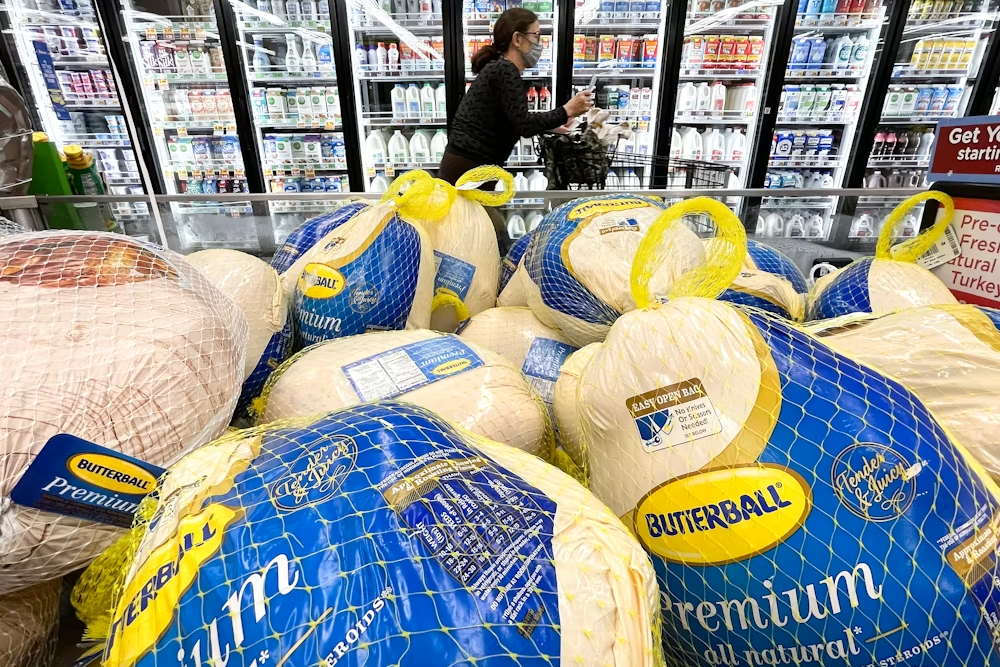
What is Inflation in simple terms? Inflation is the general increase in prices over time across an economy. When inflation happens, the same amount of money buys fewer goods and services than before.
This means purchasing power falls. For example, if a household could buy ten items with a certain amount of money last year but can now buy only eight, inflation has reduced the value of that money in practical terms.
A simple way to understand it
Think about a common item such as bread, milk, or petrol. If its price rises a little over time, that may not seem unusual. But when many products and services become more expensive across the economy, that broader trend is inflation.
Inflation is not about the price of one product going up because of a temporary shortage. It is about a wider pattern of rising costs.
Inflation and purchasing power
One of the most important parts of understanding What is Inflation is knowing how it affects purchasing power. Purchasing power refers to how much a person can buy with their money.
When inflation rises:
- Daily expenses increase
- Savings lose part of their real value
- Fixed incomes feel tighter
- Household budgets become harder to manage
If wages do not rise at the same pace as prices, people may feel poorer even if they are earning the same amount.
Why Inflation Happens in an Economy
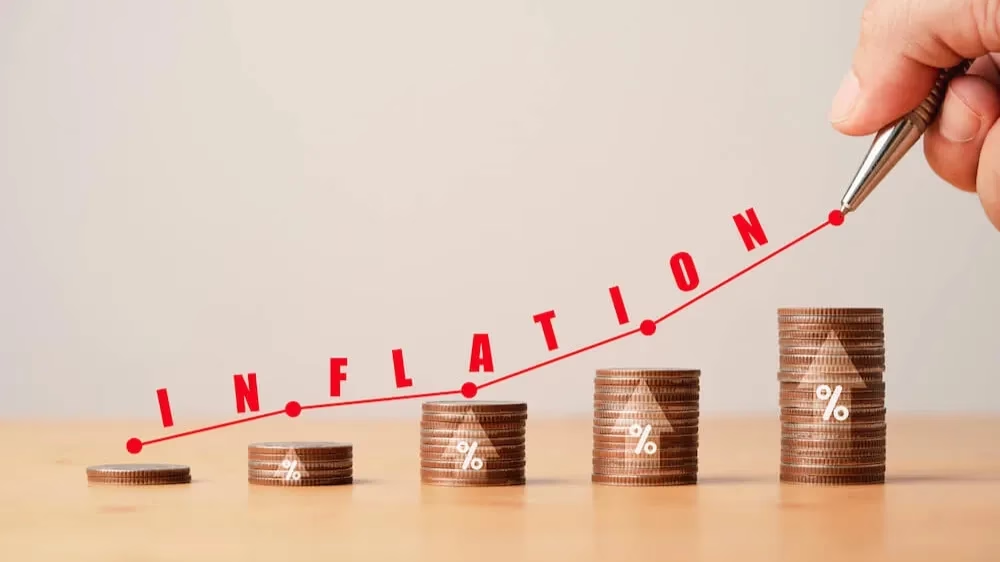
To fully understand What is Inflation, it helps to look at the main reasons it happens. Inflation can be caused by demand, production costs, money supply, and expectations in the market.
In most cases, inflation does not come from just one factor. Several pressures often work together at the same time.
Demand-pull inflation
This happens when demand for goods and services grows faster than supply. When more people want to buy products but businesses cannot keep up, prices rise.
For example, if incomes grow and consumer spending increases sharply, stores may sell out quickly. Businesses then raise prices because customers are still willing to pay.
Cost-push inflation
This form of inflation happens when the cost of producing goods and services increases. Businesses often pass those costs on to customers.
Common drivers include:
- Higher fuel prices
- Increased wages
- Rising raw material costs
- Expensive transport and logistics
- Supply chain problems
If the cost of making bread rises because wheat, electricity, and transport become more expensive, the final price of bread usually rises too.
Too much money in circulation
Another reason inflation can happen is when too much money flows through the economy compared with the amount of goods and services available.
When spending power rises quickly but production does not rise at the same speed, prices may start increasing across many sectors.
Inflation expectations
Sometimes people and businesses expect prices to rise, and that belief can shape their behavior. Workers may ask for higher pay, businesses may raise prices in advance, and landlords may increase rents.
These expectations can create a cycle where inflation continues because everyone is reacting to future price increases before they fully happen.
How Inflation Is Measured
When people ask What is Inflation, they also need to know how governments and economists measure it. Inflation is usually tracked by observing changes in the prices of a group of common goods and services over time.
This basket often includes things households regularly spend money on, such as food, clothing, housing, healthcare, transport, and utilities.
Consumer Price Index
One of the most common tools used to measure inflation is the Consumer Price Index, often called CPI. It compares the current price of a standard basket of goods and services with its price in an earlier period.
If that basket becomes more expensive, the CPI rises, showing inflation.
Producer price changes
Inflation can also be studied through the prices businesses pay before goods reach consumers. If producers face higher costs, those increases may later show up in retail prices.
This is useful because it can signal future price pressure before households fully feel it.
Core inflation
Sometimes food and energy prices are highly volatile. Because they can swing sharply for short periods, economists often look at core inflation, which removes those categories to show longer-term price trends.
That helps analysts see whether inflation is broad and persistent or mostly driven by temporary shocks.
Why Inflation Matters to Households

The question What is Inflation matters because inflation directly affects daily life. It changes how people shop, save, borrow, and plan for the future.
Even small price increases can add pressure over time, especially for families living on fixed or limited incomes.
It affects everyday spending
When inflation rises, common expenses usually increase first in ways people notice quickly. Groceries, rent, fuel, school costs, and utility bills often take up a larger share of income.
This can force households to:
- Cut non-essential spending
- Delay major purchases
- Use savings for routine expenses
- Borrow more to cover monthly needs
It reduces the value of savings
A bank balance may stay the same in numbers, but its real value can fall if inflation rises. If savings grow slowly while prices rise quickly, that money buys less over time.
This is why inflation matters so much to long-term savers. Keeping money still is not always enough if prices keep moving upward.
It affects wages and living standards
If wages rise along with inflation, some of the pressure can be managed. But when salaries stay flat while prices increase, real income falls.
That can lower living standards. Families may keep working just as hard yet still find it more difficult to cover basic needs.
Why Inflation Matters to Businesses
Businesses also need to understand What is Inflation because it shapes costs, pricing, hiring, and long-term planning. Inflation can change both risk and opportunity in the market.
Some firms can pass higher costs to customers, but others may struggle if consumers reduce spending.
Higher operating costs
When inflation rises, businesses often pay more for:
- Raw materials
- Wages
- Rent
- Utilities
- Shipping
- Equipment
That puts pressure on profit margins, especially in competitive sectors where raising prices is difficult.
Pricing becomes more complex
Businesses must decide whether to absorb higher costs or pass them on. If prices rise too much, customers may buy less. If prices stay the same, profits may shrink.
This balancing act becomes harder during periods of unstable inflation.
Planning becomes less predictable
Inflation can make it more difficult to forecast expenses, demand, and future investment returns. Long-term contracts, budgets, and expansion plans may need constant adjustment.
That uncertainty can slow business growth and reduce confidence in the market.
Inflation, Interest Rates, and Borrowing
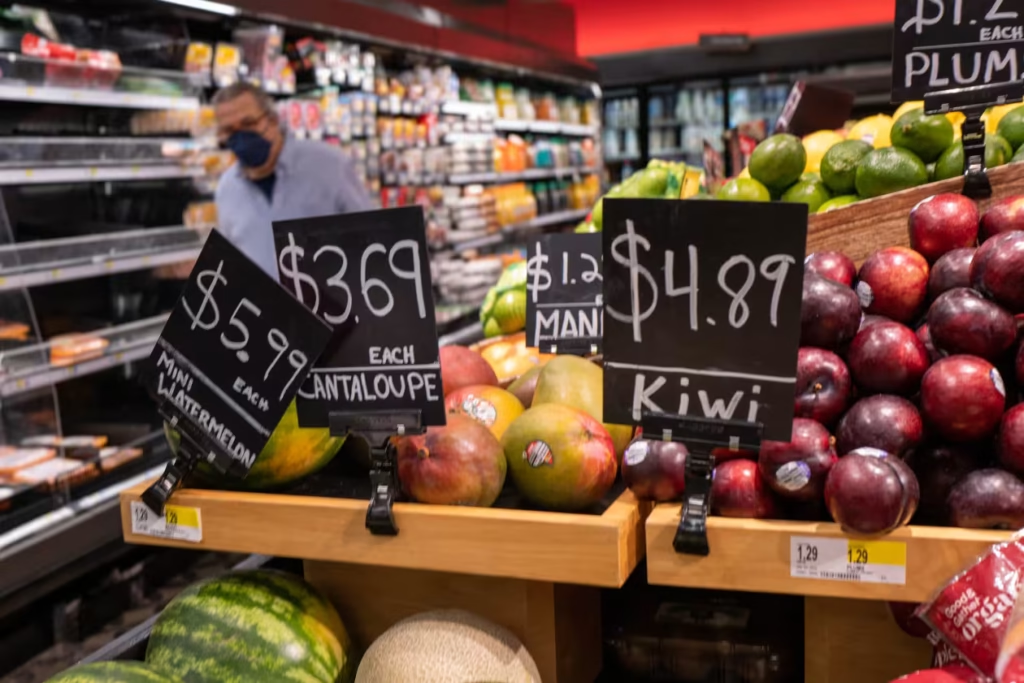
A major part of understanding What is Inflation is seeing how it connects with interest rates. Central banks often raise interest rates when inflation becomes too high.
The goal is to slow spending and borrowing so price increases become more manageable.
How higher interest rates help control inflation
When borrowing becomes more expensive, people and businesses may reduce spending. Loans for homes, cars, and business expansion may become less attractive.
This can cool demand in the economy and reduce upward pressure on prices.
The effect on households and businesses
Higher interest rates can help control inflation, but they also create strain. Monthly loan payments may rise, especially for variable-rate borrowing.
For households, this can mean less spending room. For businesses, it can mean slower investment and cautious hiring.
Is All Inflation Bad
Many people think inflation is always harmful, but that is not completely true. Moderate inflation is often seen as a normal part of a growing economy.
Problems usually become serious when inflation rises too fast, stays high for too long, or becomes hard to predict.
Moderate inflation can be normal
A small and stable level of inflation can encourage spending and investment rather than having money sit idle. It can also reflect healthy demand in the economy.
This is why many central banks aim for low but positive inflation rather than zero inflation.
High inflation creates instability
High inflation can damage confidence, reduce real incomes, distort business decisions, and hurt people with limited financial flexibility.
In severe cases, it can lead to panic buying, sharp currency weakness, and major economic disruption.
How People Can Respond to Inflation
Understanding What is Inflation is useful, but acting on that knowledge is even more important. People cannot control national price trends, but they can make smarter choices in response.
Small financial habits can make a meaningful difference over time.
Practical ways to manage inflation pressure
People often respond to inflation by:
- Reviewing monthly budgets regularly
- Reducing unnecessary spending
- Comparing prices more carefully
- Building emergency savings
- Paying attention to debt costs
- Looking for income growth opportunities
These steps do not remove inflation, but they can reduce its impact on daily life.
Thinking long term
Inflation reminds people that money decisions should not be based only on today’s prices. Saving, borrowing, and investing all need a long-term view.
A person who understands What is Inflation is often better prepared to protect financial stability in changing conditions.
Why Understanding Inflation Still Matters
Inflation affects nearly every part of economic life. It changes the cost of living, the value of money, the strength of savings, and the way households and businesses plan ahead. That is why the question What is Inflation is not just for economists or policymakers. It matters to workers, families, students, business owners, and anyone who spends or saves money.
The more clearly people understand inflation, the easier it becomes to make informed financial decisions. Price changes may be a normal part of the economy, but knowing how they work helps people respond with more confidence and less confusion.