

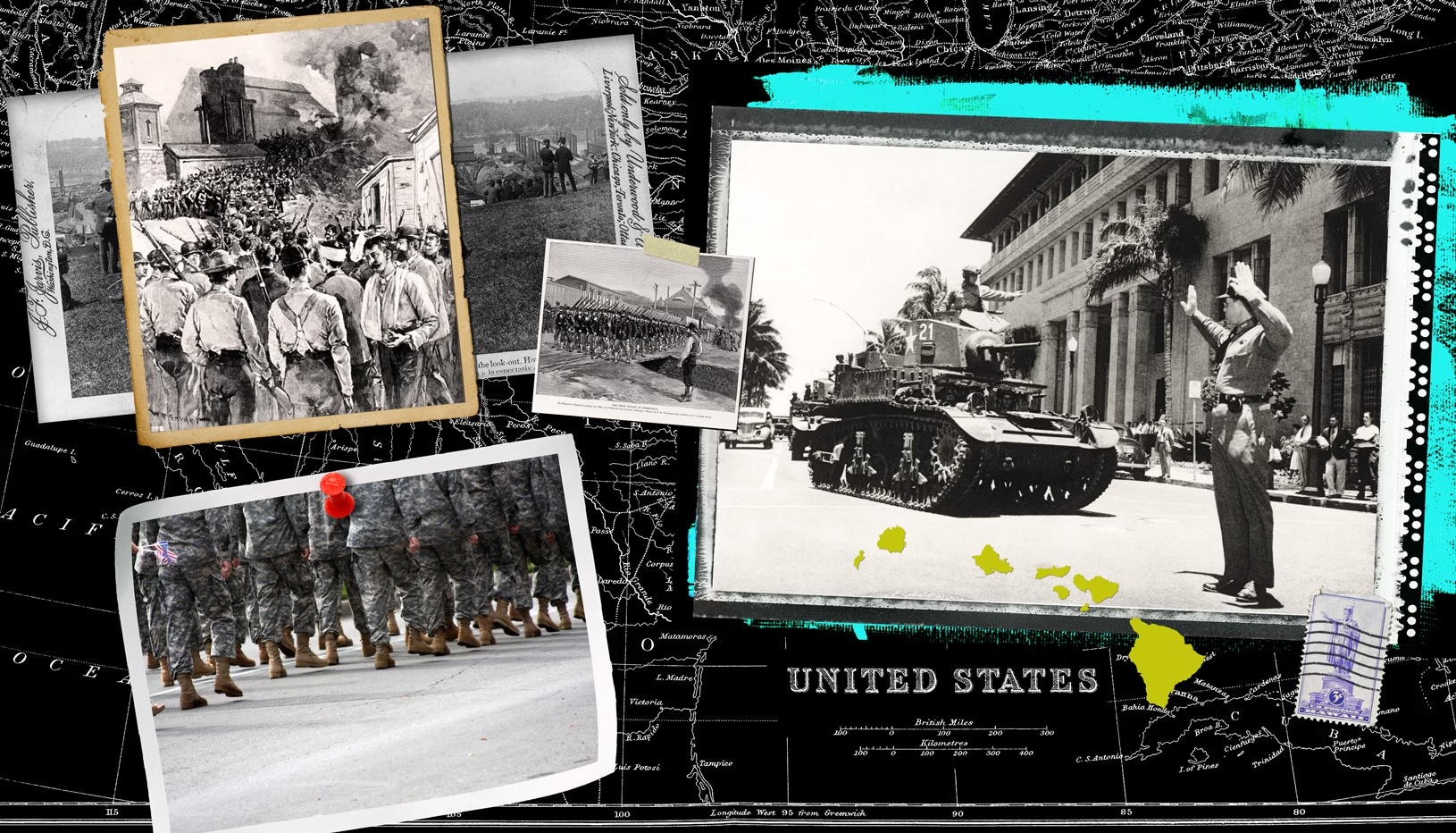
Martial law is one of the most discussed and misunderstood government measures during emergencies. Many people hear the term in news reports, political debates, or history lessons but are unsure about its actual meaning.
Understanding what martial law is helps citizens know how governments respond to extreme crises such as wars, natural disasters, civil unrest, or national emergencies. This guide explains martial law in simple language, covers its purpose, rules, historical examples, and answers common questions people ask.
What Is Martial Law?
Martial law is a temporary system in which the military takes control of certain government functions during a serious emergency.
Under normal conditions, civilian authorities such as elected officials, police departments, and courts manage public affairs. When martial law is declared, military authorities may receive expanded powers to maintain order, protect public safety, and restore stability.
In simple terms, martial law means military control replaces or supports civilian authority for a limited period.
Simple Definition
Martial law is the temporary use of military authority to govern an area during an emergency when normal civilian government cannot effectively maintain order.
Why Is Martial Law Declared?
Governments usually declare martial law only during extreme situations. The goal is to restore peace and protect citizens when traditional systems are unable to function properly.
Common reasons include:
War or Military Threats
During invasions, armed conflicts, or national security threats, governments may grant additional authority to military forces.
Civil Unrest
Large-scale riots, violent protests, or widespread disorder can sometimes overwhelm local law enforcement agencies.
Natural Disasters
Severe earthquakes, floods, hurricanes, or other disasters may disrupt government operations and public safety systems.
Political Instability
In some countries, martial law has been declared during major political crises or attempted coups.
Public Safety Emergencies
Situations that create immediate threats to life and property may lead authorities to consider emergency military involvement.
How Does Martial Law Work?
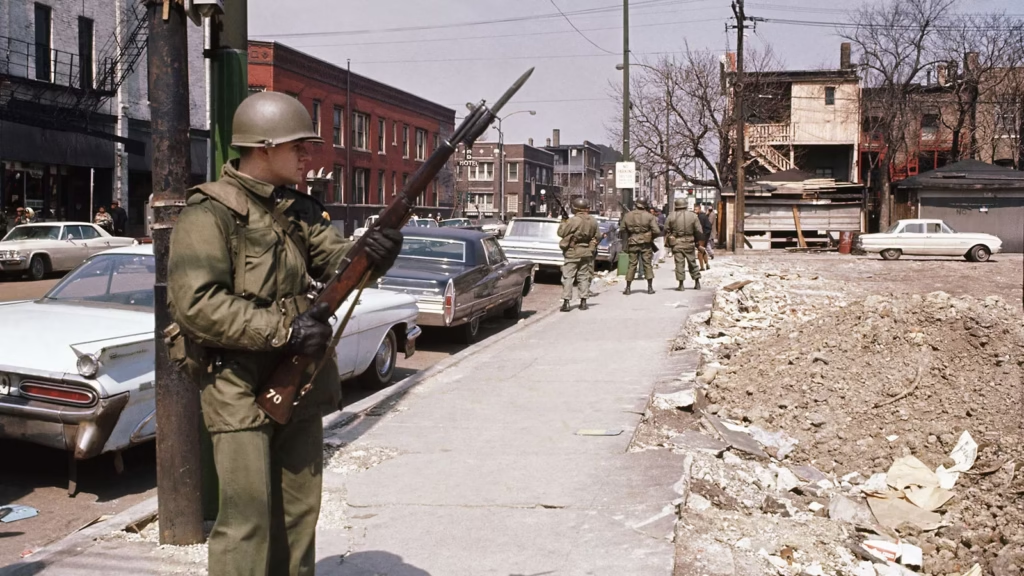
The exact implementation varies by country, constitution, and legal framework. However, several common features often appear when martial law is in effect.
Military Assumes Expanded Authority
Military personnel may receive powers normally held by civilian authorities.
Curfews May Be Imposed
Residents may be required to remain indoors during specific hours to maintain order and security.
Movement Restrictions
Travel restrictions may limit access to certain areas or require identification checks.
Increased Security Measures
Military checkpoints and patrols may be established throughout affected regions.
Public Gatherings May Be Limited
Large gatherings, demonstrations, or assemblies may be temporarily restricted.
Emergency Regulations
Additional rules may be introduced to address immediate threats and restore stability.
Key Characteristics of Martial Law
When learning what martial law is, it is important to understand its main characteristics.
Temporary Nature
Martial law is generally intended as a short-term emergency measure rather than a permanent system of government.
Emergency Response
It is usually implemented only when extraordinary circumstances exist.
Military Involvement
Military authorities receive expanded responsibilities beyond their normal defense duties.
Restoration of Order
The primary objective is to stabilize the situation and return control to civilian institutions as quickly as possible.
Historical Examples of Martial Law
Looking at history helps explain how martial law has been used in different situations.
United States During the Civil War
During parts of the American Civil War, President Abraham Lincoln suspended certain legal protections and authorized military measures in areas affected by conflict.
Hawaii During World War II
After the attack on Pearl Harbor in 1941, martial law was declared in Hawaii due to security concerns.
Philippines Under Ferdinand Marcos
In 1972, martial law was declared in the Philippines, leading to significant political changes and expanded government control.
Pakistan’s Historical Martial Law Periods
Pakistan has experienced multiple periods of martial law throughout its history. These periods often involved military leadership assuming direct control of government functions during political instability.
Poland in 1981
The Polish government declared martial law to address political unrest and growing opposition movements.
These examples show that martial law can occur in different countries and under various circumstances.
What Rights Can Be Affected During Martial Law?
One of the most common questions about martial law concerns civil rights and freedoms.
The impact depends on the laws of each country and the nature of the emergency.
Possible restrictions may include:
- Curfews
- Travel limitations
- Restrictions on public gatherings
- Increased security checks
- Temporary limitations on certain activities
However, constitutional protections and legal safeguards often continue to apply depending on the country’s legal system.
Martial Law vs State of Emergency
People often confuse martial law with a state of emergency.
Although both involve government responses to crises, they are not identical.
| Martial Law | State of Emergency |
|---|---|
| Military may receive expanded authority | Civilian government remains primarily in control |
| Used in extreme situations | Used for a wider range of emergencies |
| Can involve military governance | Usually involves emergency powers for civilian authorities |
| Less common | More commonly declared |
A state of emergency often allows governments to act quickly while maintaining civilian leadership.
Is Martial Law Legal?
The legality of martial law depends on national constitutions, laws, and judicial interpretations.
Many countries have legal provisions that permit emergency powers under specific circumstances. However, those powers are usually subject to limitations and oversight.
Courts, legislatures, and constitutional frameworks often play important roles in determining how martial law can be implemented.
Common Myths About Martial Law
There are many misconceptions surrounding martial law.
Myth 1: Martial Law Means Permanent Military Rule
Reality: Martial law is generally intended as a temporary emergency measure.
Myth 2: All Rights Automatically Disappear
Reality: Legal protections and constitutional safeguards may still apply depending on national laws.
Myth 3: Martial Law Happens Frequently
Reality: Most countries rarely declare martial law because it is considered an extraordinary measure.
Myth 4: Martial Law Is the Same Everywhere
Reality: Every country has different laws and procedures regarding martial law.
Advantages of Martial Law
Supporters argue that martial law can provide several benefits during severe emergencies.
Rapid Decision-Making
Military structures often allow quick responses during crises.
Enhanced Security
Additional security resources may help restore order.
Emergency Coordination
Military organizations can assist with logistics, rescue operations, and infrastructure protection.
Public Safety
In extreme situations, martial law may help reduce violence and stabilize affected regions.
Criticisms of Martial Law
Despite potential benefits, martial law remains controversial.
Risk of Abuse
Expanded powers can create concerns about misuse of authority.
Civil Liberties Concerns
Restrictions on movement, assembly, or other activities may raise legal and ethical questions.
Democratic Challenges
Extended military involvement in governance can create political tensions.
Economic Impact
Business operations, tourism, and investment activities may be affected during periods of instability.
What Happens After Martial Law Ends?
Once conditions improve, authority typically returns to civilian institutions.
The process often includes:
- Removal of emergency restrictions
- Restoration of normal legal procedures
- Reopening of public institutions
- Return of civilian administrative control
- Judicial review of emergency actions
The goal is to return society to normal governance as soon as possible.
Frequently Asked Questions
What Is Martial Law in Simple Words?
Martial law is a temporary situation where the military receives authority to help govern an area during a serious emergency.
Who Can Declare Martial Law?
The authority depends on a country’s constitution and laws. In many nations, the president, government, or other designated authorities may declare it.
Does Martial Law Mean the Military Runs the Country?
Not necessarily. The military may receive expanded powers, but the extent of control varies by country and situation.
Has Martial Law Ever Been Used in Pakistan?
Yes. Pakistan has experienced several periods of martial law during its political history.
Is Martial Law Permanent?
No. Martial law is generally intended to be temporary and used only during extraordinary circumstances.
Final Thoughts
Understanding what is martial law is important for anyone interested in government, law, history, and public affairs. Martial law is a temporary emergency measure that allows military authorities to assume expanded responsibilities when normal civilian systems cannot effectively maintain order.
While it can help restore stability during wars, disasters, or severe unrest, it also raises important questions about civil liberties, constitutional rights, and democratic governance. Historical examples from around the world demonstrate both the practical uses and the challenges associated with martial law.
For citizens, understanding how martial law works provides valuable insight into how governments respond during some of the most serious emergencies a nation can face.