


The 10 step korean skin care routine has become popular because it focuses on healthy, hydrated, and balanced skin. Instead of covering skin problems, this routine helps care for the skin layer by layer. Each step has a clear purpose, from cleansing and exfoliating to moisturizing and sun protection. The goal is not to use more products without reason, but to use the right products in the right order. With a simple approach, the 10 step korean skin care routine can help the skin look fresh, smooth, and naturally glowing.
10 Step Korean Skin Care Routine Explained
The 10 step korean skin care routine is a layered beauty method that supports clean, hydrated, and protected skin. It usually includes cleansing, toning, treatment products, moisturizer, and sunscreen.
This routine can be adjusted for dry, oily, sensitive, or combination skin. People do not always need every step every day, but understanding the order helps build a better routine.
Why Korean Skin Care Became Popular
Korean beauty focuses on prevention, hydration, and skin barrier care. This is why the 10 step korean skin care routine is often linked with soft, dewy, and glowing skin.
The routine also encourages gentle care instead of harsh treatments. It treats skin health as a daily habit, not a quick fix.
Step 1: Oil-Based Cleanser
The first step in the 10 step korean skin care routine is an oil-based cleanser. It helps remove sunscreen, makeup, excess sebum, and oil-based dirt from the skin.
Oil cleansing is especially helpful at night. It breaks down heavy products without stripping the skin.
Best for removing:
- Sunscreen
- Makeup
- Excess oil
- Pollution
- Sebum buildup
Massage the cleanser gently on dry skin, then rinse with lukewarm water.
Step 2: Water-Based Cleanser
The second cleanse removes sweat, dust, and water-based impurities. This step completes the double cleansing method, which is an important part of the 10 step korean skin care routine.
A gentle gel, foam, or cream cleanser works well depending on skin type. The skin should feel clean but not tight.
People with dry or sensitive skin should avoid harsh cleansers. A mild formula helps protect the skin barrier.
Step 3: Gentle Exfoliation

Exfoliation removes dead skin cells and helps the skin look smoother. In the 10 step korean skin care routine, this step is not meant for daily use.
Most people only need exfoliation one to three times per week. Over-exfoliating can cause redness, dryness, or irritation.
Common exfoliation types include:
- Chemical exfoliants like AHA or BHA
- Gentle peeling gels
- Mild scrubs for non-sensitive skin
For glowing skin, gentle exfoliation is better than aggressive scrubbing.
Step 4: Hydrating Toner
A toner helps prepare the skin for the next steps. In the 10 step korean skin care routine, toner is usually hydrating, soothing, and lightweight.
Unlike old-style drying toners, Korean toners often focus on moisture. They help the skin feel soft after cleansing.
Apply toner with clean hands or a cotton pad. Pat it into the skin instead of rubbing.
Step 5: Essence for Skin Balance
Essence is one of the most well-known parts of the 10 step korean skin care routine. It is lighter than serum but more nourishing than toner.
An essence helps add hydration and supports smoother-looking skin. It can also help the next products absorb better.
This step is useful for people who want a fresh and plump look without heavy products.
Step 6: Serum or Ampoule
Serums and ampoules target specific skin concerns. This may include dullness, dryness, uneven tone, fine lines, or acne-prone skin.
In the 10 step korean skin care routine, this step is where active ingredients are often used. Popular ingredients include niacinamide, hyaluronic acid, vitamin C, peptides, and centella.
Choose one product based on the main skin concern. Using too many active products at once can irritate the skin.
Step 7: Sheet Mask
Sheet masks are used to give the skin extra hydration and care. They are not always required daily, but they are a popular part of the 10 step korean skin care routine.
A sheet mask can help the skin look calm, fresh, and glowing before an event. Most masks are used for 10 to 20 minutes.
Do not leave the mask on until it dries fully. A dry mask can pull moisture away from the skin.
Step 8: Eye Cream
The skin around the eyes is delicate and can become dry more easily. Eye cream helps add moisture and support this sensitive area.
In the 10 step korean skin care routine, eye cream is usually applied before moisturizer. Use a small amount and tap gently with the ring finger.
Eye cream may help with dryness and a tired look, but it should not be expected to erase deep lines overnight.
Step 9: Moisturizer
Moisturizer seals in hydration and supports the skin barrier. This is one of the most important steps in the 10 step korean skin care routine.
The right moisturizer depends on skin type:
- Gel moisturizer for oily skin
- Cream moisturizer for dry skin
- Lightweight lotion for combination skin
- Barrier cream for sensitive skin
A good moisturizer helps keep the skin soft, balanced, and comfortable.
Step 10: Sunscreen
Sunscreen is the final morning step in the 10 step korean skin care routine. It helps protect the skin from UV damage, dark spots, uneven tone, and early signs of aging.
Use sunscreen every morning, even on cloudy days. Apply it as the last step before makeup.
At night, sunscreen is not needed. The evening routine can end with moisturizer or a sleeping mask.
Morning and Night Routine Difference
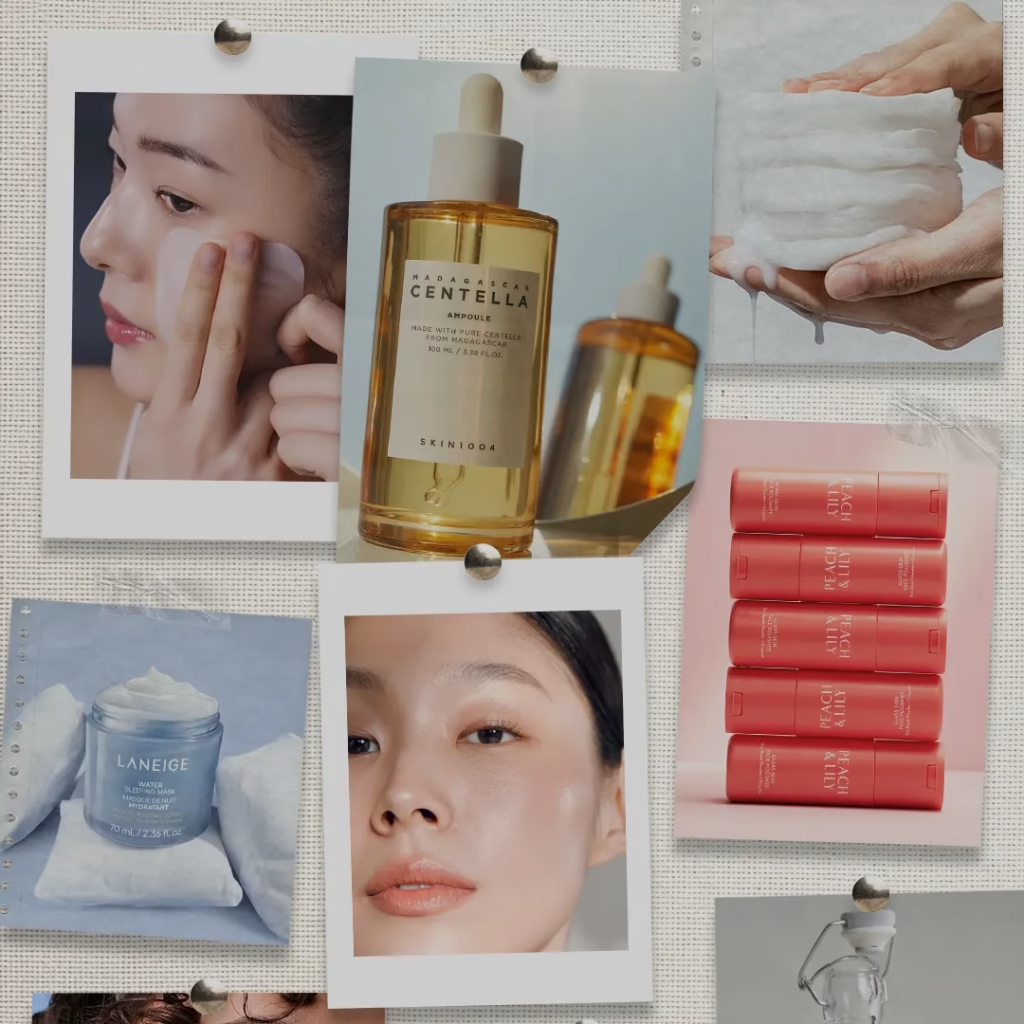
The 10 step korean skin care routine changes slightly between morning and night. Morning care focuses on hydration and sun protection.
Night care focuses on cleansing, treatment, and repair. This is when oil cleansing, serums, and richer moisturizers are often used.
A simple morning routine may include cleanser, toner, serum, moisturizer, and sunscreen. A night routine may include double cleansing, toner, essence, serum, eye cream, and moisturizer.
Best Products by Skin Type
The 10 step korean skin care routine works best when products match the skin type. Not every product suits every face.
For oily skin, lightweight gel formulas and non-comedogenic products are better. For dry skin, creamy cleansers, hydrating toners, and richer moisturizers may work well.
Sensitive skin needs fragrance-free and calming products. Acne-prone skin may benefit from gentle BHA, centella, and barrier-supporting moisturizers.
Common Mistakes to Avoid
Many beginners make the routine too complicated. The 10 step korean skin care method should support the skin, not overwhelm it.
Avoid these mistakes:
- Using too many actives together
- Exfoliating every day
- Skipping sunscreen
- Applying products in the wrong order
- Changing products too often
- Using harsh cleansers
Healthy skin needs patience. A steady routine usually works better than constant product changes.
How Long Results May Take
The 10 step korean skin care routine does not give permanent results overnight. Hydration can improve quickly, but texture, tone, and barrier strength need more time.
Some people notice softer skin within a few days. More visible changes may take four to eight weeks.
Consistency matters more than using expensive products. A simple routine followed daily can give better results than a complex routine used only sometimes.
Build A Routine Skin Loves

The 10 step korean skin care routine is a thoughtful way to care for the skin through cleansing, hydration, treatment, and protection. It works best when each step has a purpose and matches the skin’s real needs.
For beginners, it is fine to start with fewer steps and slowly add products. Cleanser, moisturizer, and sunscreen are the foundation. From there, toner, essence, serum, and masks can help improve glow and comfort. With gentle care and patience, the 10 step korean skin care routine can support healthier, smoother, and naturally radiant skin.