

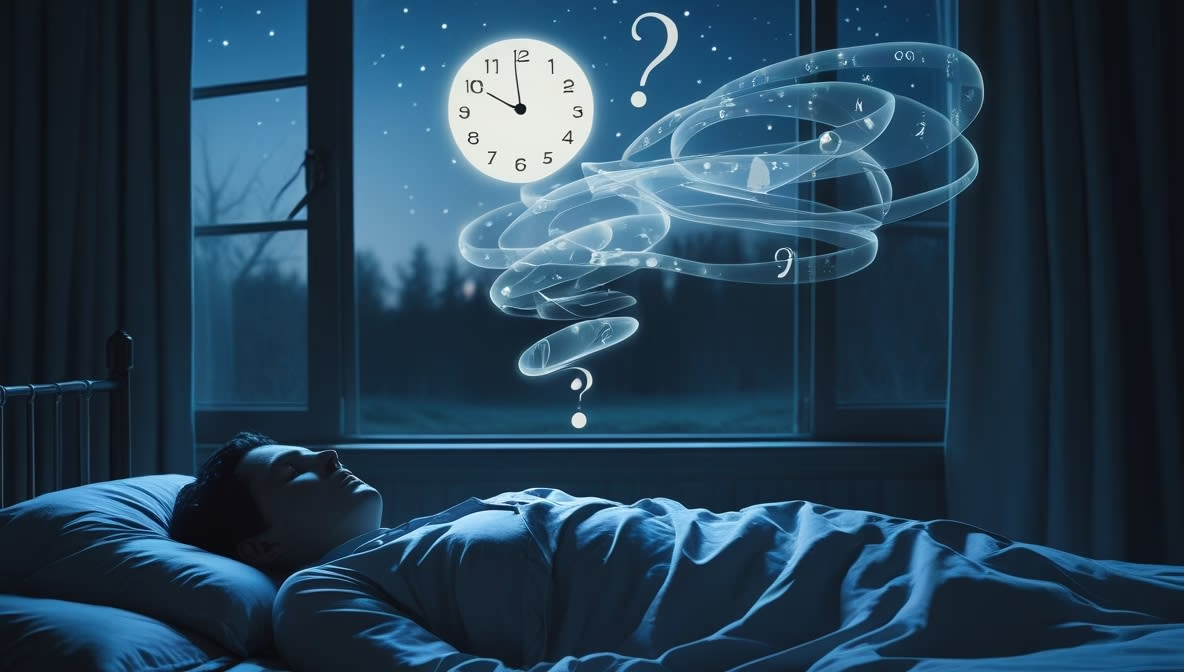
It often starts the same way. The room is quiet, the lights are off, and the body is finally still. Then the mind begins to move faster. A small worry turns into a bigger one. An awkward conversation comes back. Tomorrow’s tasks feel heavier than they did all day. Many people ask, why do people overthink when they are supposed to be resting. The answer is not just emotional. It is also biological, psychological, and deeply tied to how the brain responds to silence, fatigue, stress, and lack of distraction. Nighttime can create the perfect setting for thoughts to grow louder, even when nothing around a person has changed.
Why Do People Overthink More at Night
If someone wonders why do people overthink more after dark, one reason is simple: nighttime removes competition for attention. During the day, the brain is busy with work, school, messages, traffic, and conversation. At night, many of those outside demands fade.
That quiet may seem relaxing, but it also gives hidden worries more space to surface. Thoughts that were pushed aside all day can suddenly feel urgent. The mind starts reviewing unfinished tasks, unresolved problems, and emotional tension.
For many people, nighttime also brings:
- Fewer distractions
- More emotional sensitivity
- Greater physical tiredness
- Less ability to think in a balanced way
This is why even minor concerns can feel bigger in bed than they do at noon.
The Brain Changes After Dark

The brain does not think the same way at every hour of the day. Mental energy shifts as the body gets tired, and that affects judgment, self-control, and emotional regulation. This helps explain why do people overthink when they are exhausted but unable to sleep.
As the evening goes on, the brain has fewer resources for rational filtering. That means a person may be more likely to:
- Replay past mistakes
- Predict worst-case outcomes
- Feel emotionally stuck
- Struggle to stop repetitive thoughts
Tiredness weakens the mental systems that help people stay calm and flexible. A thought like “I forgot to answer that email” can quickly turn into “I am falling behind in everything.”
Fatigue makes worries feel larger
When the body is tired, the brain often becomes less balanced. Emotional reactions can become stronger, while logical perspective becomes weaker. This can make ordinary stress feel more dramatic than it really is.
Self-control gets lower at night
Mental discipline drops with fatigue. That includes the ability to redirect attention. A person may know a thought is not helpful, but still find it hard to let go of it.
Stress Finally Catches Up
Another reason why do people overthink at bedtime is that stress does not always show up immediately. Many people stay functional all day by staying busy. They move from one task to another without stopping long enough to process what they feel.
Night changes that. Once activity ends, stress that was held back can rise to the surface. The brain starts scanning problems because it finally has room to do so.
This delayed stress response is common in people who:
- Have demanding jobs
- Carry emotional pressure quietly
- Care for others throughout the day
- Suppress feelings to stay productive
During the day, they cope by pushing forward. At night, the mind starts collecting everything that was ignored.
Silence Can Trigger Mental Replay
Quiet is helpful for sleep, but it can also intensify awareness. Without sound, screens, or conversation, many people become more aware of their own internal world. That includes thoughts, emotions, regrets, and fears.
This is one reason why do people overthink in bed even when they felt fine earlier. Silence can act like a mirror. It reflects what the mind has been avoiding.
Mental replay often shows up in two ways:
Looking backward
People replay things they said, things they should have done, or moments they wish had gone differently. This can lead to shame, embarrassment, or regret.
Looking forward
The mind jumps ahead to future problems. It starts rehearsing conversations, planning outcomes, and imagining failure before anything has happened.
Both patterns can keep the brain alert when it should be winding down.
Nighttime Anxiety Feels Stronger

Anxiety often feels more intense at night because there is less outside evidence to challenge it. In the daytime, people can talk to someone, solve a problem, or get feedback. At night, many worries remain unanswered.
That uncertainty matters. It helps explain why do people overthink when lying awake in the dark. The brain does not like open loops. If it cannot solve something immediately, it may keep circling it.
Nighttime anxiety can sound like this:
- “What if I made the wrong choice?”
- “What if something goes wrong tomorrow?”
- “What if I never fix this?”
- “What if people are upset with me?”
These thoughts are not always irrational. But at night, they often become exaggerated because the brain is more reactive and less grounded.
Your Body May Still Be On Alert
Overthinking is not always just a thinking problem. Sometimes the body is still carrying stress signals even when a person wants to rest. If the nervous system remains activated, the mind may keep searching for reasons to explain that tension.
This creates a loop:
- The body feels tense
- The brain notices the tension
- The brain looks for a threat
- Thoughts become more anxious
- The body becomes even more alert
That cycle can make a person believe something must be seriously wrong, when in reality their body is simply slow to calm down after a stressful day.
Stress hormones can delay calmness
If someone has been under pressure, the body may not settle the moment they get into bed. Elevated stress hormones can keep the system watchful, making sleep feel harder and thoughts feel louder.
Fast scrolling can keep the brain active
Phones, social media, and constant stimulation before bed can make it harder for the brain to shift into rest mode. Even a short burst of upsetting news or emotional content can fuel late-night mental loops.
Unfinished Problems Keep the Mind Busy
The human brain likes closure. When something feels unresolved, the mind often returns to it again and again. This is a major reason why do people overthink at night, especially after stressful or uncertain days.
Unfinished thoughts may include:
- A conflict that was never discussed
- A task that was started but not completed
- A decision that still feels unclear
- A fear that has no immediate answer
The brain may treat these open issues as unfinished business. At bedtime, when there is nothing else to focus on, those issues rise to the front.
This does not mean a person is weak or overly dramatic. It means the brain is trying, often clumsily, to create certainty.
Perfectionism Makes It Worse
People who hold themselves to very high standards are often more likely to overthink at night. They do not just review the day. They judge it. They measure every action against an ideal result.
This perfectionist thinking can turn bedtime into a private performance review. A person may ask:
- Did I say the wrong thing?
- Did I do enough today?
- Should I have handled that better?
- What if I disappoint people tomorrow?
In this state, the mind is not resting. It is auditing. That is another key answer to why do people overthink after dark. High standards leave very little room for mental peace.
Poor Sleep Habits Can Fuel Overthinking
Sometimes overthinking is caused by emotional stress. Other times, it is made worse by habits that interfere with sleep. When the body does not have a steady sleep routine, the mind can become more restless at night.
Common habits that make overthinking worse include:
- Drinking caffeine too late
- Using screens in bed
- Working right up until sleep time
- Sleeping at inconsistent hours
- Staying in bed while worrying for long periods
These habits do not create every anxious thought, but they can make the brain more alert and less ready to settle.
Bed should not become a worry zone
If a person spends many nights lying awake and anxious, the brain can begin to link the bed itself with stress. Then bedtime starts to trigger worry automatically.
Why Some People Experience It More
Not everyone overthinks in the same way. Some people are more sensitive to nighttime rumination because of personality, stress load, or mental health history. People may be more likely to struggle if they are:
- Naturally anxious
- Going through grief or change
- Under chronic stress
- Emotionally isolated
- Dealing with burnout
That said, overthinking at night is still common even in people without a mental health disorder. It can happen during hard weeks, after major life events, or during periods of uncertainty.
So when asking why do people overthink, it helps to remember there is no single cause. It is usually a mix of brain fatigue, emotional pressure, habit patterns, and unresolved stress.
What Helps Calm the Mind

The goal is not to force the brain to stop thinking completely. That usually backfires. Instead, it helps to lower stimulation, reduce emotional buildup, and give thoughts a safer place to go before bed.
Helpful strategies include:
- Writing worries down before sleeping
- Keeping a regular bedtime
- Limiting phone use at night
- Avoiding caffeine late in the day
- Using slow breathing or body relaxation
- Creating a wind-down routine
- Talking through major stress during the day
For some people, journaling works because it tells the brain, “This thought has been noted.” For others, a simple routine helps signal safety and rest.
If overthinking becomes severe, frequent, or linked to panic, insomnia, or depression, professional support may help. Persistent nighttime rumination can sometimes be part of a larger mental health pattern that deserves care.
Small Changes, Quieter Nights
Nighttime overthinking can feel mysterious, but it usually follows a pattern. The day ends, distractions disappear, fatigue rises, and the brain begins sorting through what has been left unresolved. That is often the real answer to why do people overthink after dark.
The good news is that this pattern can be managed. Better sleep habits, less evening stimulation, emotional processing during the day, and realistic self-talk can all reduce mental noise at night. The mind does not become loud for no reason. It responds to stress, silence, and exhaustion in predictable ways. Once people understand that, late-night thoughts often feel less frightening and more manageable.