
Everyone procrastinates at some point. A student delays studying for an exam. A worker puts off sending an important email. A business owner keeps pushing a hard decision to tomorrow. The strange part is that people often know delay will make life harder, yet they still do it. That is why many people ask, why do we procrastinate when the cost is so obvious. The answer is not laziness alone. In many cases, procrastination is linked to stress, fear, emotions, and the way the brain tries to protect itself from discomfort. Once people understand the real reasons behind delay, it becomes easier to build better habits and take action with less pressure.
Why do we procrastinate so often?
The short answer is that procrastination is usually emotional, not logical. People often think they delay because they are bad at time management, but that is only part of the story. In many cases, the real issue is how a person feels about the task in front of them.
When a task feels boring, confusing, stressful, or too large, the brain looks for quick relief. That relief may come from checking social media, cleaning the desk, replying to easy messages, or doing low-value work. These actions feel productive in the moment, but they keep people away from the thing that matters most.
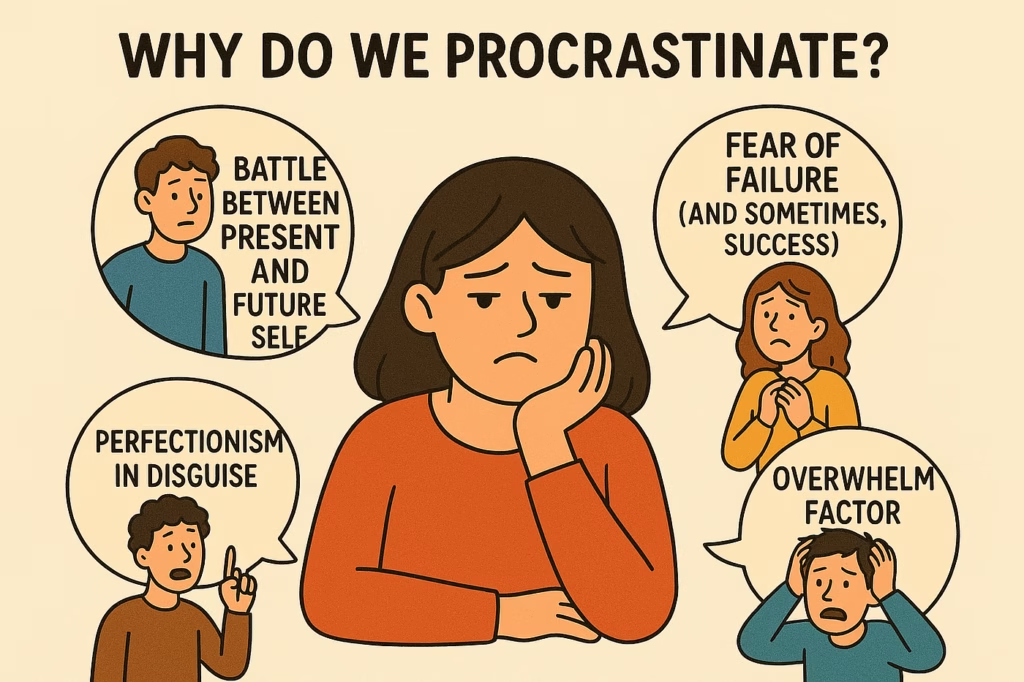
Procrastination is often a fight between present comfort and future benefit. The brain prefers what feels good now, even when it knows delay will cause stress later. That tension helps explain why do we procrastinate even when we care about the outcome.
The brain wants quick comfort
Human beings are wired to avoid pain and seek relief. A hard task can feel like mental pain, especially if it carries pressure or uncertainty. The brain then chooses something easier and more rewarding in the short term.
This is why a person may avoid:
- starting a difficult report
- making a phone call they feel nervous about
- studying a topic they do not understand
- beginning a project that feels too big
The problem is that short-term comfort often creates long-term guilt.
Procrastination is not always laziness
This point matters. Many hardworking people procrastinate. In fact, people who care deeply about doing well may delay more because they feel more pressure. They do not put things off because they do not care. They put things off because the task feels emotionally heavy.
That is a big clue in answering why do we procrastinate. Delay is often a response to discomfort, not a lack of ambition.
The link between emotion and delay
Procrastination is closely tied to mood. When people feel anxious, overwhelmed, frustrated, or insecure, they are more likely to avoid the task causing those emotions. The delay works like a temporary escape.
A person may tell themselves, “I will do it later when I feel better.” But later often brings the same feelings back, sometimes even stronger. The unfinished task remains in the background, quietly building stress.
Researchers and psychologists often describe procrastination as a form of emotion regulation. That means people delay tasks to manage their feelings in the moment. Instead of facing discomfort, they avoid it.
Common emotions behind procrastination
Several emotions can drive procrastination:
- Anxiety: Fear of doing the task badly
- Boredom: Little mental reward from starting
- Frustration: The task feels annoying or difficult
- Self-doubt: A person is not sure they can do it well
- Resentment: The task feels forced or unfair
- Overwhelm: There are too many steps to see clearly
These feelings can be stronger than logic. That is one reason the question why do we procrastinate cannot be answered by saying, “People just need more discipline.”
Fear plays a bigger role
Fear is one of the strongest drivers of procrastination. It often hides under the surface, so people may not even realize it is there. Instead of saying, “I am afraid,” they say, “I work better under pressure,” or, “I just was not in the mood.”
In reality, fear may be shaping the delay.
Fear of failure
This is one of the most common causes. If success feels uncertain, some people delay to protect their self-image. Starting the task means risking proof that they are not good enough. Avoiding it keeps that fear at a distance for a little longer.
For example, someone may delay applying for a job because rejection feels personal. Another person may put off writing because they fear the work will not be good.
Fear of success
This sounds strange, but it happens often. Success can bring more responsibility, more expectations, and more pressure. A person may subconsciously delay because moving forward means life will change.
Fear of being judged
Many tasks expose people to feedback. Presentations, creative work, exams, and business decisions all invite judgment. When the mind expects criticism, procrastination can feel like protection.
This deeper emotional layer helps answer why do we procrastinate even on important goals. Sometimes people are not avoiding the task itself. They are avoiding what the task might say about them.
Perfectionism makes it worse
Perfectionism and procrastination often go together. A perfectionist may wait for the perfect mood, perfect plan, perfect timing, or perfect first step. Since perfect conditions rarely appear, the work gets delayed.
This pattern is common among smart and driven people. They set very high standards, then feel frozen by those standards. Instead of starting badly and improving later, they avoid starting at all.
What perfectionism sounds like
Perfectionism often appears in everyday thoughts like these:
- “I need more time before I begin.”
- “I should plan this better first.”
- “If I cannot do it properly, I should wait.”
- “I need to feel ready.”
These thoughts sound reasonable, but they can block progress. The truth is that most good work begins imperfectly. Action usually creates clarity, not the other way around.
When perfectionism is active, why do we procrastinate becomes easier to understand. People delay because they fear a result that feels less than ideal.
Big tasks feel mentally heavy
Some tasks are delayed simply because they feel too large. The brain sees one giant problem instead of a series of smaller steps. That creates mental fog, and fog leads to avoidance.
A person might delay:
- writing a long paper
- launching a new business idea
- organizing finances
- cleaning a messy room
- planning an event
In each case, the task feels bigger than the next available action. When people do not know where to start, they often do nothing.
The hidden cost of unclear tasks
A vague task is much harder to begin than a specific one. Compare these two examples:
- “Work on project”
- “Write the first 150 words of the introduction”
The second version gives the brain a clear entry point. The first version feels wide and stressful. This is another practical reason why do we procrastinate. We often delay tasks that are poorly defined.
Habits and rewards shape behavior
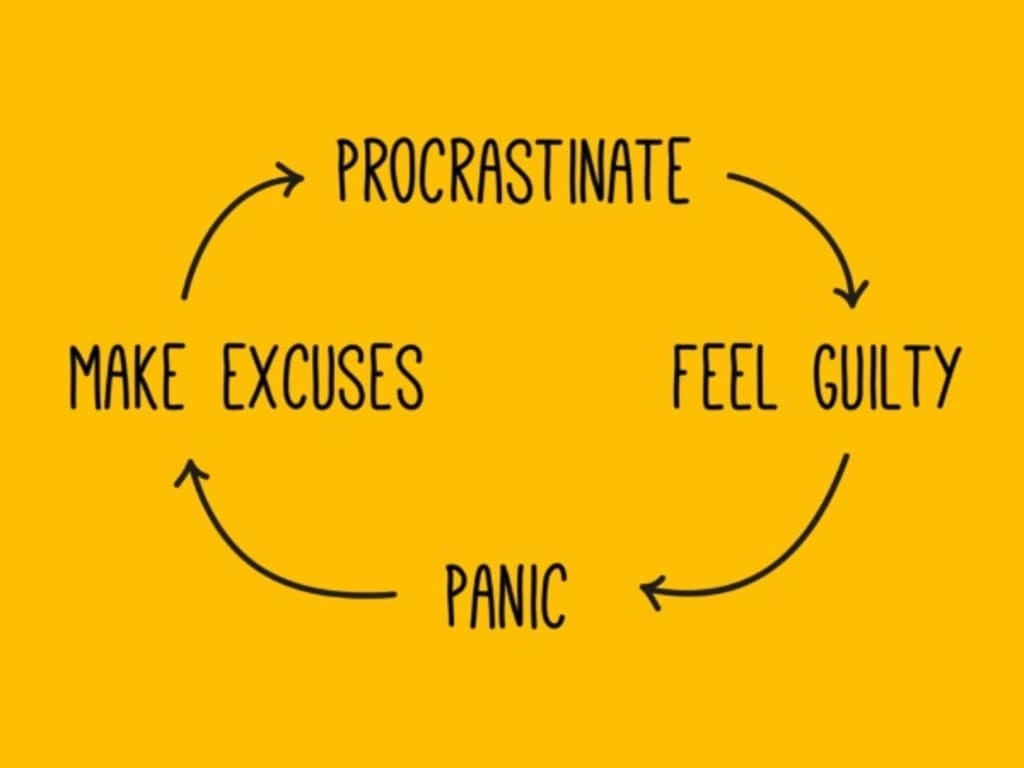
Procrastination can also become a learned habit. Every time a person avoids a hard task and feels temporary relief, the brain remembers that pattern. It learns that avoidance works, at least for a moment.
That creates a loop:
- A difficult task appears
- The person feels discomfort
- They avoid the task
- They feel short-term relief
- The habit gets stronger
Over time, this cycle becomes automatic. A person may reach for their phone the second work feels uncomfortable, without even thinking about it.
Digital distractions make delay easier
Modern life makes procrastination easier than ever. Phones, videos, messages, and endless scrolling offer fast rewards with almost no effort. Compared with a difficult task, these options feel much more attractive.
That does not mean technology is the only problem. But it does explain why delay can feel harder to control today. The brain is constantly being offered easier alternatives.
Time management alone is not enough
Planners, calendars, and to-do lists are helpful, but they do not always solve procrastination. If the real problem is emotional discomfort, a perfect schedule may still fail.
Someone can know exactly what to do and still avoid doing it.
That is why advice like “just manage your time better” often falls short. Time tools matter, but emotional awareness matters too. To truly answer why do we procrastinate, people need to look at both structure and psychology.
Better questions to ask
Instead of asking, “How can I force myself to do this?” it helps to ask:
- What am I feeling about this task?
- What part of this feels hard?
- Am I afraid of doing it badly?
- Is the task too vague or too big?
- What is the smallest possible first step?
These questions reduce blame and create insight.
How to break the procrastination cycle
The good news is that procrastination can be reduced. It may not disappear fully, but people can make it much weaker by changing how they start, think, and respond to discomfort.
The goal is not to feel perfect before beginning. The goal is to begin before the mind talks you out of it.
Make the first step tiny
A small start lowers resistance. Instead of promising to finish everything, commit to the first few minutes.
Examples include:
- open the document
- write one paragraph
- read two pages
- reply to one email
- set a timer for ten minutes
Small action creates momentum. Once people begin, the task often feels less threatening.
Reduce emotional pressure
Try replacing harsh thoughts with realistic ones. Instead of saying, “I have to do this perfectly,” say, “I just need to make a start.” This small shift reduces fear and makes the task easier to face.
Break work into visible steps
Large projects feel lighter when broken down. A clear checklist can turn one stressful task into manageable pieces.
Accept imperfect progress
Waiting for the perfect moment usually leads to more delay. Progress matters more than polish at the beginning.
Build an environment that supports action
Good environments reduce temptation. This may mean:
- putting the phone in another room
- closing extra browser tabs
- working in short focused blocks
- starting at the same time each day
- removing easy distractions before work begins
These practical changes support the mind when motivation is low.
Small shifts that help daily
Procrastination often improves through simple, repeated actions rather than one dramatic fix. People do better when they work with their psychology instead of fighting it.
A few helpful daily strategies include keeping tasks specific, starting before motivation appears, and treating discomfort as normal rather than dangerous. It also helps to notice patterns. Some people delay when they are tired. Others delay when they feel judged, rushed, or uncertain.
The more clearly a person sees their own pattern, the easier it becomes to respond differently. That is the real value in asking why do we procrastinate. The answer helps people stop blaming themselves and start building smarter habits.
What better habits look like
Progress against procrastination is rarely dramatic. It often looks quiet and ordinary. It looks like starting early even when the mood is not perfect. It looks like finishing the rough draft before polishing it. It looks like choosing one important task over five easy distractions.
Most of all, it looks like understanding that procrastination is not a fixed personality trait. It is a pattern, and patterns can change.
People procrastinate for many reasons, including fear, stress, perfectionism, unclear goals, and habit loops built around short-term relief. Once those reasons become visible, change feels more possible. The question is no longer just why do we procrastinate. It becomes, “What can we do differently today?”
Better action starts very small
The psychology of procrastination is simple in one important way. People delay what feels uncomfortable, even when delay creates bigger problems later. The solution is not shame. It is awareness, smaller steps, clearer tasks, and a willingness to begin before everything feels ready.
Real progress often starts with one imperfect move. That small start may not look impressive, but it changes the direction of the day. Over time, those small starts build trust, confidence, and consistency.