
Climate is one of those things people live with every day, but many do not stop to think about how deeply it affects water, food, health, jobs, and safety. That is why more people are asking, What is Climate Change and why does it matter so much now? The answer is not only about hotter summers or unusual storms. It is about long-term shifts in temperature and weather patterns that are changing ecosystems, economies, and human life across the world. Understanding What is Climate Change helps people see why this issue is now part of global policy, business planning, farming, public health, and everyday conversation.
What is Climate Change and Why It Matters
What is Climate Change? It refers to long-term changes in Earth’s average temperatures and weather patterns over decades or longer. These changes can happen naturally, but today’s climate change is strongly linked to human activities, especially the burning of coal, oil, and gas.
This matters because climate affects nearly every system on Earth. When temperatures rise and weather patterns shift, the effects reach crops, coastlines, forests, water supplies, and public health. Climate change is not a distant issue anymore. It is already shaping daily life in many parts of the world.
Climate change vs weather
People often confuse climate and weather, but they are not the same. Weather describes short-term conditions such as rain, heat, wind, or storms on a given day. Climate describes the average pattern of weather in a place over many years.
For example, one cold week does not cancel climate change. In the same way, one heatwave alone does not define it either. Climate change becomes clear when scientists study long-term trends, rising temperatures, changing rainfall, and more frequent extreme events over time.
Why the topic gets so much attention
Climate change gets global attention because its effects are wide and costly. It can damage homes, roads, crops, fisheries, and power systems. It can also increase pressure on governments, healthcare systems, and local communities.
The issue also affects future generations. Decisions made today about energy, land use, transportation, and industry can shape climate risks for decades to come.
Main Causes Behind Climate Change
To understand What is Climate Change, it helps to know what is driving it. The main cause of current climate change is the buildup of greenhouse gases in the atmosphere. These gases trap heat and make the planet warmer.
Human actions have increased these gases at a rapid pace, especially since the industrial era.
Burning fossil fuels
Coal, oil, and natural gas are major energy sources for electricity, transport, manufacturing, and heating. When these fuels are burned, they release carbon dioxide into the air. Carbon dioxide is the largest human-made driver of global warming.
Cars, trucks, airplanes, factories, and power plants all play a role. Even when energy supports modern life, it can still come with a climate cost if it depends on fossil fuels.
Deforestation and land use change
Forests absorb carbon dioxide, which helps balance the atmosphere. When trees are cut down for farming, building, or logging, that stored carbon can be released back into the air.
This weakens one of the planet’s natural systems for removing carbon. It also harms biodiversity and can change rainfall patterns in some regions.
Agriculture and livestock
Agriculture contributes to climate change in several ways. Livestock such as cows produce methane, a powerful greenhouse gas. Fertilizers can release nitrous oxide, another gas that traps heat.
Large-scale farming can also lead to land clearing, soil loss, and water stress. Food production is essential, but the methods used can increase emissions if they are not managed carefully.
Industrial processes and waste
Cement production, chemical manufacturing, and waste disposal also add greenhouse gases to the atmosphere. Landfills release methane as waste breaks down. Some industrial gases are especially powerful, even in smaller amounts.
This means climate change is tied not just to energy use, but also to how societies build, produce, consume, and throw things away.
How Climate Change Affects Weather
One of the clearest answers to What is Climate Change can be seen in changing weather patterns. Rising global temperatures influence how heat, moisture, and air move around the planet.
That creates conditions for stronger, longer, or less predictable weather events in many regions.
More heatwaves
Hot days are becoming hotter and heatwaves are lasting longer in many places. This can strain electric grids, raise health risks, and make outdoor work more dangerous.
Cities often feel these effects more strongly because roads and buildings hold heat. People without reliable cooling face the greatest risk.
Heavier rainfall and flooding
A warmer atmosphere can hold more moisture. That means when rain falls, it can come down harder and faster. In some areas, this increases the risk of flash floods, river flooding, and property damage.
Flooding can also harm drinking water systems, transport routes, and farmland. Recovery often takes months or years.
Drought in vulnerable areas
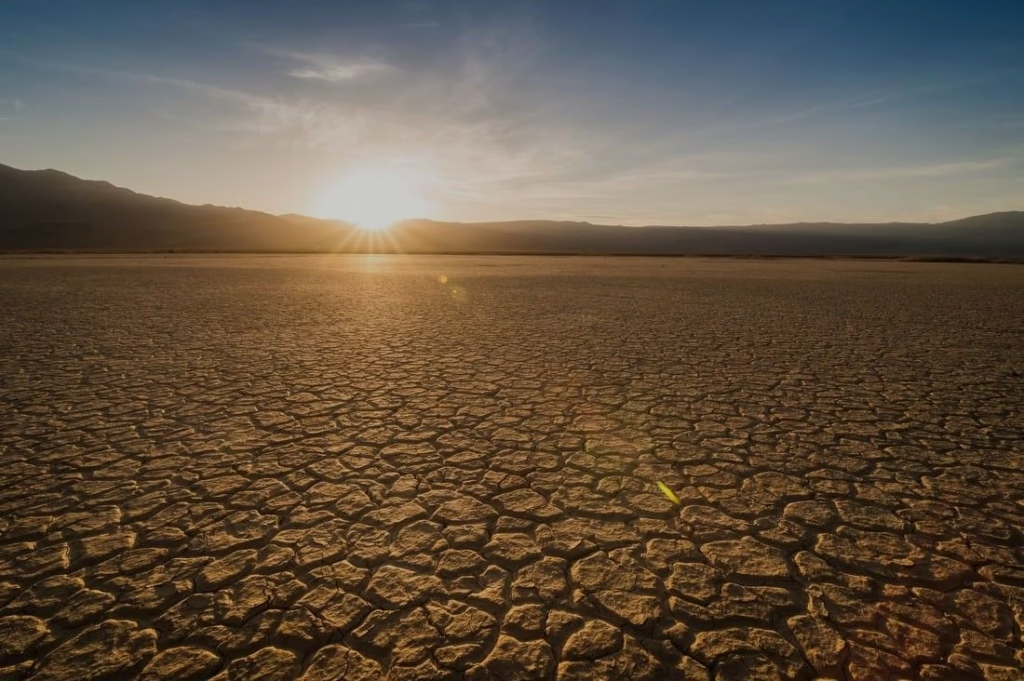
Not every place gets wetter. Some regions face longer dry periods and reduced water supplies. Drought can damage crops, lower reservoir levels, and increase tension over shared resources.
For farming communities, even small changes in rainfall timing can affect planting, harvests, and income.
Stronger storms in some regions
Climate change does not create every storm, but warmer oceans and changing atmospheric conditions can add energy to certain storm systems. This can lead to heavier rain, stronger winds, and more severe damage in some cases.
The result is greater risk for coastal communities and places with weak infrastructure.
Effects on Nature and Wildlife
Climate change affects far more than human comfort. It changes habitats, migration patterns, breeding cycles, and food chains. Many species struggle when their environments shift faster than they can adapt.
Nature is deeply connected. When one part changes, the effects often spread through entire ecosystems.
Melting ice and rising seas
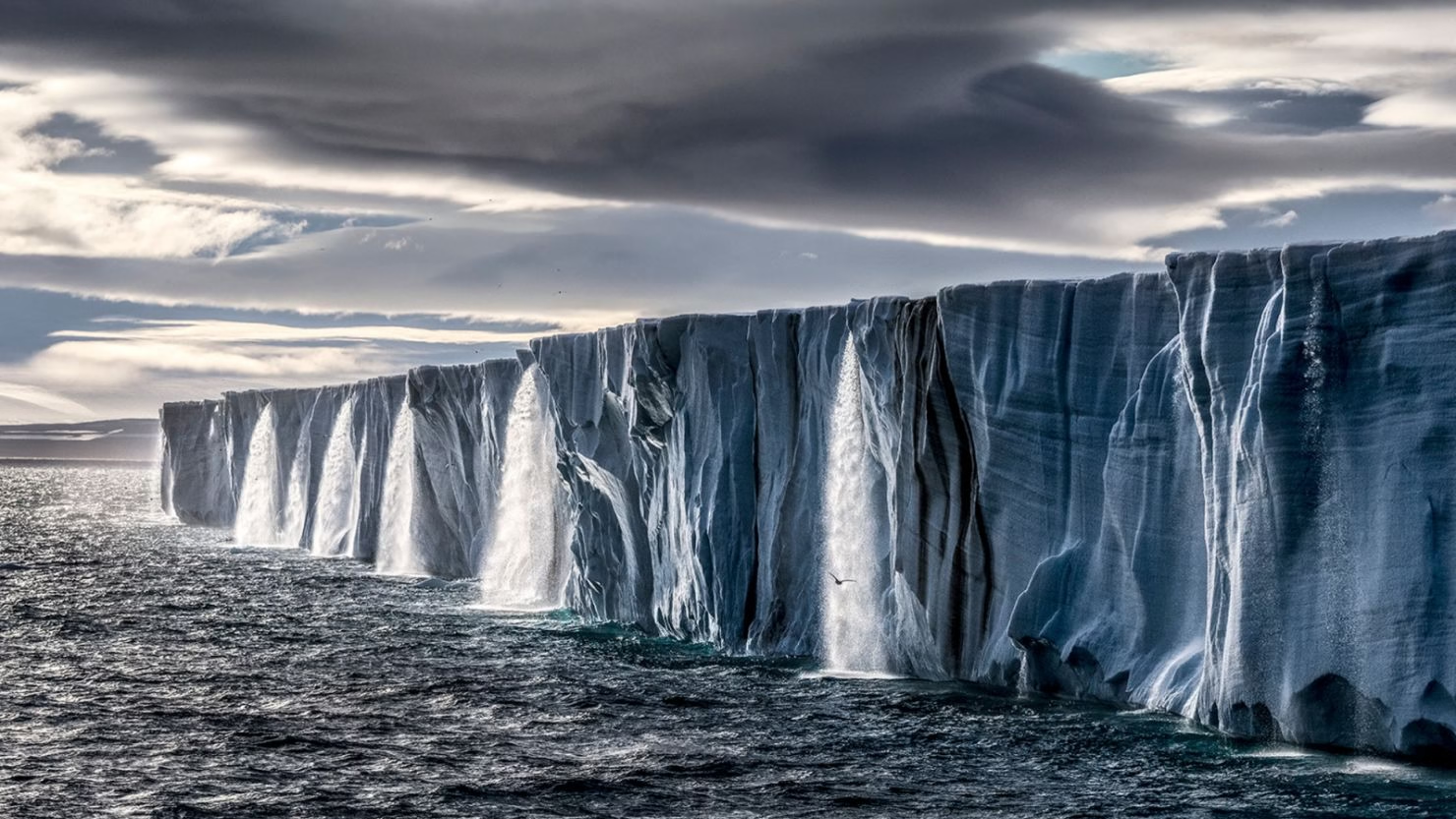
Warmer temperatures are melting glaciers and polar ice. At the same time, seawater expands as it warms. Together, these changes raise sea levels.
Higher sea levels increase coastal flooding, erosion, and saltwater damage to land and freshwater systems. Low-lying communities are especially exposed.
Threats to oceans
Oceans absorb much of the extra heat caused by greenhouse gases. This leads to warmer waters, which can harm coral reefs and marine life. Oceans also absorb carbon dioxide, which increases acidity and affects shell-forming species.
These changes can hurt fisheries, tourism, and coastal ecosystems that support millions of people.
Loss of biodiversity
Plants and animals depend on stable conditions. When temperatures rise or rainfall patterns change, species may be forced to move, adapt, or die out.
Some can shift to new areas, but others cannot. Habitat loss, pollution, and overuse of natural resources make the pressure even worse.
How Climate Change Affects People
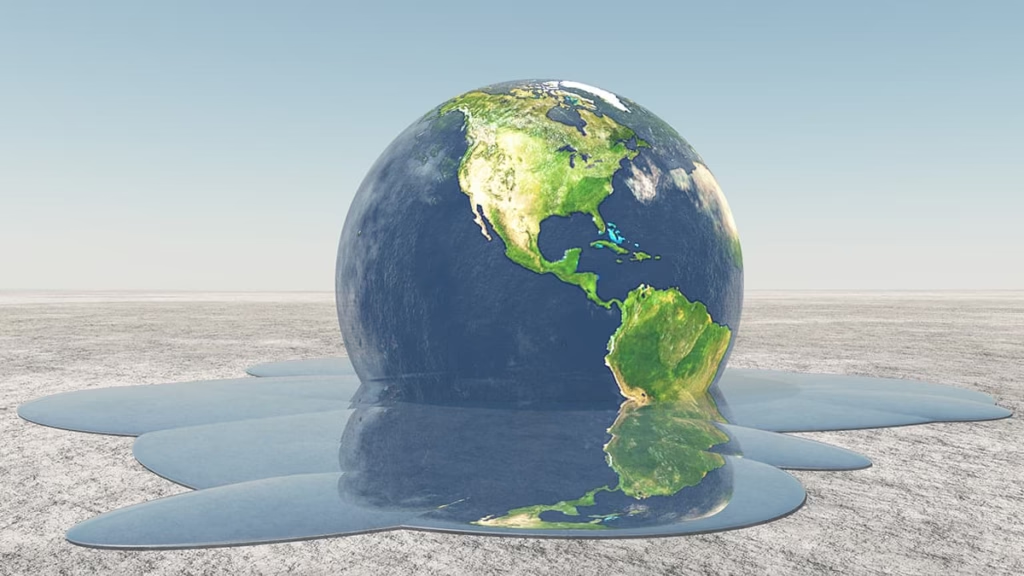
When people ask, What is Climate Change, they often want to know how it touches real life. The answer is simple. It affects health, money, housing, food, and safety.
Some groups face greater risks than others, especially low-income communities, older adults, outdoor workers, and people in high-risk regions.
Health impacts
Extreme heat can cause dehydration, heatstroke, and heart stress. Poor air quality can worsen asthma and other lung conditions. Floods can spread contamination and disease.
Climate change can also affect mental health. Displacement, disaster loss, and long recovery periods place emotional strain on families and communities.
Food and water pressure
Farmers depend on stable seasons, workable temperatures, and reliable water. Climate change can reduce crop yields, increase pest problems, and damage soil health.
Water supplies may also become less reliable. In some areas, snowpack declines and rainfall patterns shift, affecting both drinking water and irrigation.
Economic damage
Climate-related disasters can destroy homes, businesses, roads, and crops. Insurance costs may rise. Supply chains can be interrupted. Workers may lose income during extreme events.
Poorer regions often suffer the most because they have fewer resources to prepare, respond, and rebuild.
What Can Be Done About It
Knowing What is Climate Change is only the first step. The next question is what people, businesses, and governments can do. The response usually falls into two parts: reducing the causes and preparing for the effects.
Both are important. Even if emissions fall, some climate impacts will continue for years due to past warming.
Cutting emissions
Reducing greenhouse gas emissions can slow future warming. Common steps include:
- Expanding renewable energy like solar and wind
- Improving energy efficiency in buildings and industry
- Using cleaner transport options
- Protecting forests and restoring damaged land
- Reducing waste and improving recycling systems
These changes often need strong policy support, business investment, and public participation.
Adapting to new risks
Communities also need to prepare for changes already underway. Adaptation may include:
- Better flood defenses
- Heat action plans in cities
- Stronger building standards
- Smarter water management
- More resilient farming methods
Adaptation helps reduce damage and protect lives, especially in places already facing serious climate pressure.
Why individual action still matters
One person cannot solve climate change alone, but small actions still have value. People can save energy, waste less, support sustainable products, and back leaders or policies that take climate risks seriously.
Public awareness also shapes markets and politics. When more people understand What is Climate Change, it becomes easier to support practical solutions at a larger scale.
Why This Issue Shapes Tomorrow
Climate change is not just a science topic. It is a social, economic, environmental, and political issue that affects how the world will live in the future. The choices made today will influence how severe the impacts become tomorrow.
Understanding What is Climate Change helps people move beyond confusion and see the bigger picture. It is about rising temperatures, but it is also about water, food, health, jobs, migration, and stability. The better informed people are, the better prepared they can be to respond with care, urgency, and long-term thinking.