
Beachgoers heading to Hawaii’s shores are being urged to think twice before stepping into the water. Weeks after powerful storms battered the islands, officials say the danger has not passed. Murky waters, hidden contaminants, and lingering health risks continue to affect major coastal areas across Oahu and Maui.
Storm Aftermath Still Impacting Ocean Conditions

Hawaii’s Department of Health has extended islandwide brown water advisories for both Oahu and Maui, warning that bacteria levels in coastal waters remain high even days after the storms subsided.
As of April 2, officials confirmed that “high” bacteria counts were still being detected in ocean waters. The contamination stems from intense mid-March “kona low” storms that unleashed torrential rain, strong winds exceeding 100 mph, and widespread flooding.
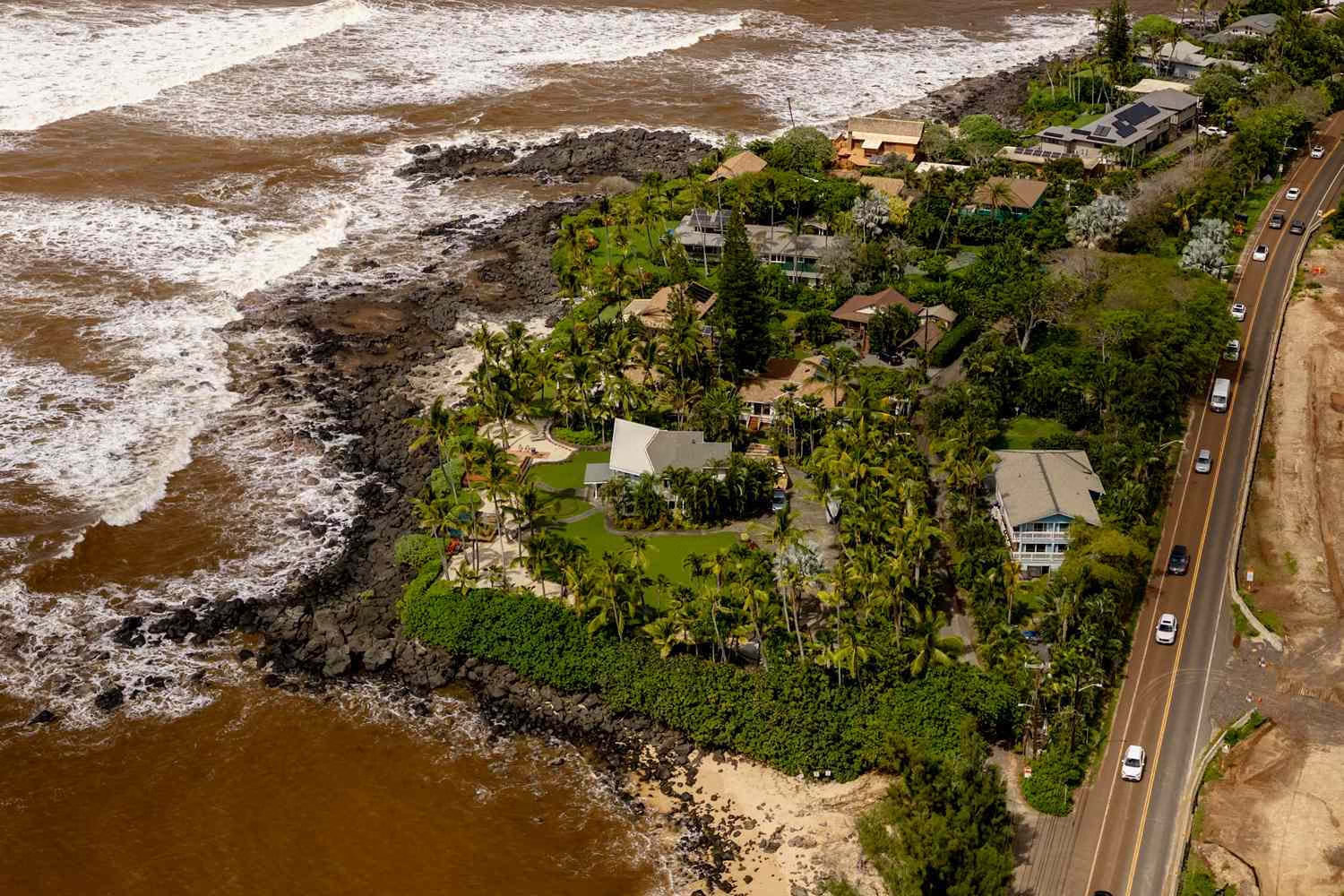
Meanwhile, the aftermath has left a visible mark. At Ala Wai Boat Harbor, waters turned a thick brown, filled with debris. Normally, the area offers crystal-clear views of reefs and marine life. That clarity has vanished.
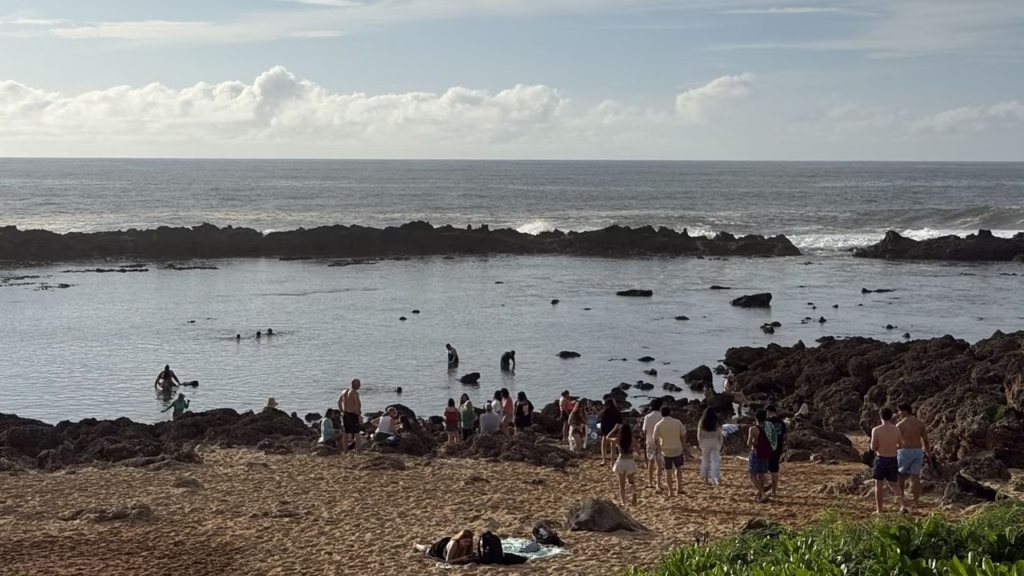
Some surfers still entered the water, but noticeably fewer than usual. The hesitation speaks volumes.
Unusual Water Colors Raise Alarm
Elsewhere on Oahu, beachgoers spotted strange changes in water color. At Makapuu Beach, the ocean took on a greenish tint, prompting visitors to seek cleaner-looking shores nearby.
However, appearances can be misleading.
Officials stress that polluted water does not always appear brown. In some cases, it may look cloudy or even clear while still carrying harmful bacteria and pathogens.
Wastewater Overflows Add To Contamination
The storms did more than stir up sediment. They overwhelmed infrastructure.
Several wastewater treatment plants across Oahu, Kauai, and Maui overflowed during the severe weather, releasing untreated waste into the ocean. As a result, runoff now carries a dangerous mix of sewage, chemicals, and debris into coastal waters.
Even two weeks after the first storm hit, the ocean remains murky. That lingering pollution continues to pose a health risk to anyone entering the water.
Health Officials Issue Strong Warning
The Department of Health is urging caution in the clearest terms.
“beach users to stay out of waters when the water appears brown or murky, especially following storms or heavy rain.”
In addition, officials advise avoiding freshwater streams and ponds, which can also carry contaminants.
What A Brown Water Advisory Means
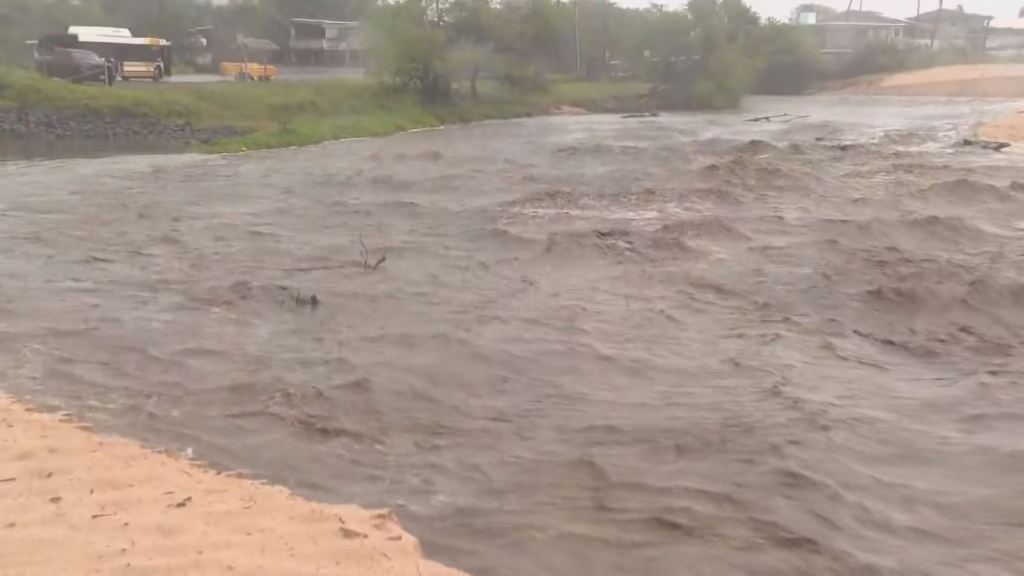
A brown water advisory is issued when heavy rainfall increases the likelihood of ocean contamination. Runoff often contains harmful bacteria, including enterococci, which serves as a key indicator of fecal pollution.
Testing is conducted under the Beaches Environmental Assessment and Coastal Health Act. When bacteria levels exceed federal safety thresholds, advisories are triggered.
However, experts warn that enterococci is not the only concern. Other pathogens present in runoff can lead to serious illnesses.
Swimming in contaminated water may result in infections or gastroenteritis, with symptoms appearing up to 12 days later.
Which Beaches Are Affected
Islandwide advisories mean that all beaches on Oahu and Maui are potentially unsafe.
Oahu has been under advisory since March 20, while Maui’s advisory began March 16. Kauai’s advisory was lifted on March 31, and Hawaii Island currently has no active warning.
Still, specific areas continue to show elevated bacteria levels.
On Oahu, affected locations include Puaena Point, Haleiwa Beach Park, Mokuleia, and Waimanalo Bay Beach Park due to wastewater discharge.
On Kauai, advisories remain in place from Nawiliwili to Kalapaki Beach, as well as Lydgate Beach to Wailua Beach.
No Closures, But Risks Remain
Despite the contamination, beaches have not been formally closed.
“There are currently no beach closures, and ocean conditions may appear calm,” officials stated. “However, the City and County of Honolulu’s Ocean Safety Department HOSD strongly encourages the public to make informed decisions and prioritize safety while the advisory remains in effect.”
That message is clear. Calm waters do not mean safe waters.
When Will It Be Safe Again
Typically, authorities recommend waiting 48 to 72 hours after rainfall ends before entering the ocean. This allows tides to help flush out pollutants.
However, given the scale of recent storms, recovery may take longer.
Beachgoers are encouraged to check local conditions and consult lifeguards before entering the water.
For now, patience may be the safest choice.