

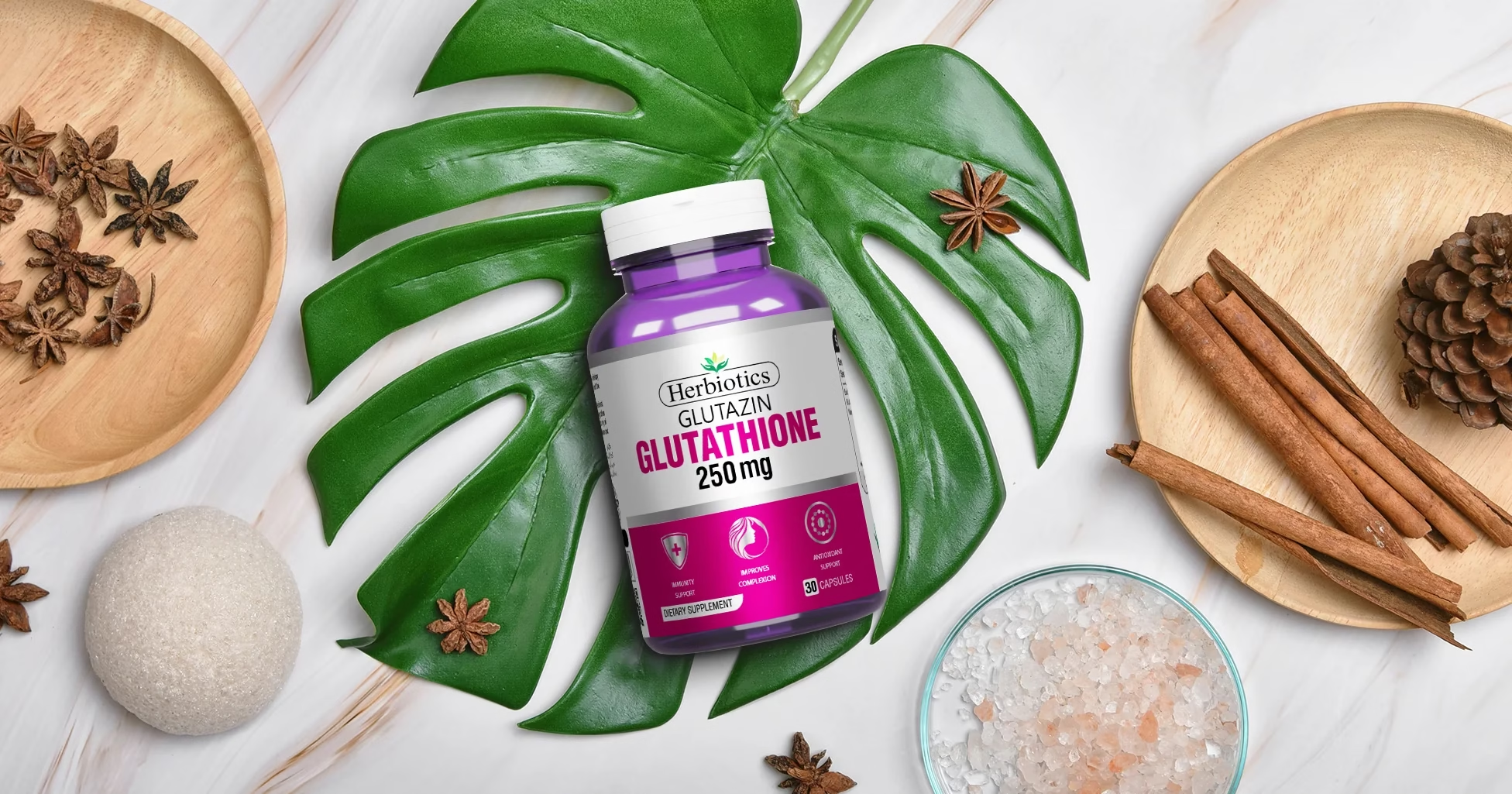
Glutathione whitening has become one of the most searched skin lightening topics, especially among people looking for brighter, clearer, and more even-looking skin. From oral capsules to topical serums and IV drips, many clinics and beauty sellers promote glutathione as a quick way to reduce dullness, dark spots, melasma, tanning, and uneven skin tone.
But the real question is simple: does glutathione whitening actually work, and is it safe? The honest answer is that glutathione may help some people achieve mild skin brightening, but results are not guaranteed, not always long-lasting, and the safety depends heavily on the form used. Oral and topical glutathione are generally discussed as lower-risk options, while injectable glutathione for skin whitening raises far more safety concerns. Reviews of glutathione for skin lightening describe the evidence as mixed, with some studies showing modest results and others showing limited or temporary improvement.
What Is Glutathione Whitening?
Glutathione is a natural antioxidant found in the body. It helps protect cells from oxidative stress and supports many internal processes. In skincare, glutathione whitening refers to the use of glutathione products to reduce the appearance of pigmentation and make the skin look brighter.
People often search for glutathione whitening in Pakistan, glutathione whitening in Lahore, glutathione whitening in Karachi, glutathione whitening in Islamabad, and glutathione whitening treatment near me because the treatment is widely discussed in aesthetic clinics. However, it should be understood as a skin brightening or pigmentation support option, not a guaranteed way to permanently change natural skin color.
How Does Glutathione Work On Skin Pigment?
Skin color is mainly influenced by melanin. When the skin produces more melanin, a person may notice tanning, dark patches, acne marks, sun spots, or melasma. Glutathione is believed to affect pigmentation by influencing melanin production pathways.
Some research explains that glutathione may reduce tyrosinase activity, which is involved in melanin formation. It may also shift melanin production away from darker eumelanin toward lighter pheomelanin. This is why glutathione whitening is often marketed for skin lightening.
Still, skin color is complex. Genetics, sun exposure, hormones, inflammation, acne scars, and skincare habits all play a role. This is why two people using the same glutathione whitening product may see very different results.
Does Glutathione Whitening Really Work?
Glutathione whitening may work mildly for some people, especially when the goal is a brighter-looking complexion rather than dramatic whitening. The strongest realistic expectation is gradual improvement in dullness or uneven tone, not a major skin color change.
A 2020 review found that the highest-level evidence did not show glutathione as strong enough for reliable skin whitening, with effects seen only in some body areas and not lasting long after use stopped. A newer review also suggests topical and oral glutathione may offer moderate skin lightening effects, but results vary and long-term sustainability remains a concern.
Oral Glutathione For Skin Whitening
Oral glutathione is usually sold as capsules, tablets, or powders. Many people prefer it because it feels easier and less invasive than injections. For people looking for glutathione whitening treatment near me, oral supplements are often offered alongside vitamin C, sunscreen, and skincare plans.
The benefit of oral glutathione is that it may provide gradual, body-wide brightening support. The limitation is that results are usually subtle. It also requires consistency, and the effect may fade when the supplement is stopped.
Topical Glutathione For Skin Brightening
Topical glutathione is used in creams, serums, lotions, and masks. It is usually applied to areas with dark spots, acne marks, sun damage, or uneven tone. For people dealing with localized pigmentation, topical products may make more sense than trying to lighten the full body.
Topical glutathione is often combined with niacinamide, vitamin C, kojic acid, alpha arbutin, licorice extract, or sunscreen. These ingredients are commonly used in pigmentation routines. Dermatology guidance also stresses that sunscreen is the first step in fading dark spots and preventing them from coming back.
Injectable Glutathione Whitening: Why Safety Matters
Injectable glutathione is one of the most controversial forms of glutathione whitening. It is often promoted as a fast skin whitening drip or IV skin lightening treatment. Many people are attracted to it because they expect faster results than oral capsules or creams.
The concern is that injectable glutathione for skin whitening is not risk-free. The Philippine FDA has specifically warned the public about dangers linked with injectable lightening agents such as glutathione.
Possible risks may include allergic reactions, infection from unsafe injection practices, contamination, incorrect dosing, kidney or liver stress in vulnerable people, and unknown long-term effects. Anyone considering IV glutathione whitening in Lahore, Karachi, Islamabad, Rawalpindi, Faisalabad, or any nearby area should speak to a qualified dermatologist first, not just a beauty salon or social media seller.
Is Glutathione Whitening Safe?
Glutathione whitening safety depends on the product type, dosage, quality, medical supervision, and the person’s health history. Oral and topical forms may be better tolerated, but that does not mean every product is safe or suitable for everyone.
Skin lightening products can also be risky when they contain hidden or harmful ingredients. The U.S. FDA warns that some skin lightening products are marketed as whitening, brightening, fading, or evening products, and some tested products have contained mercury or hydroquinone. FDA also states that mercury is not allowed in drugs or cosmetics except under very limited conditions, and OTC hydroquinone skin lightening products are not approved for safety or effectiveness.
Who Should Avoid Glutathione Whitening?
Glutathione whitening may not be suitable for everyone. People who are pregnant, breastfeeding, have liver disease, kidney disease, asthma, allergies, active skin infections, or autoimmune concerns should avoid starting it without medical advice.
People taking regular medication should also ask a doctor before using oral or injectable glutathione. A safe skin plan should consider the full person, not just the desire for lighter skin.
Glutathione Whitening For Dark Spots And Pigmentation
Glutathione may be more useful when the goal is to improve uneven skin tone, dullness, and mild pigmentation. It should not be seen as the only answer for melasma, acne marks, tanning, or sun spots.
For pigmentation, dermatologists often focus on sunscreen, barrier repair, gentle exfoliation, retinoids, vitamin C, niacinamide, azelaic acid, kojic acid, tranexamic acid, chemical peels, and laser treatments when suitable. The American Academy of Dermatology notes that effective dark spot treatment begins with sunscreen, especially tinted sunscreen with iron oxide for visible light protection.
How Long Does Glutathione Whitening Take?
Most people should not expect overnight results. Oral and topical glutathione whitening may take several weeks to months before visible changes appear. Even then, the change may be mild.
Results depend on:
- Natural skin tone
- Type of pigmentation
- Sun exposure
- Product quality
- Consistency
- Diet and lifestyle
- Sunscreen use
- Hormonal factors
- Skin inflammation or acne
Without sunscreen, pigmentation can come back quickly. This is one of the biggest reasons people feel their glutathione whitening results do not last.
What Results Can You Realistically Expect?
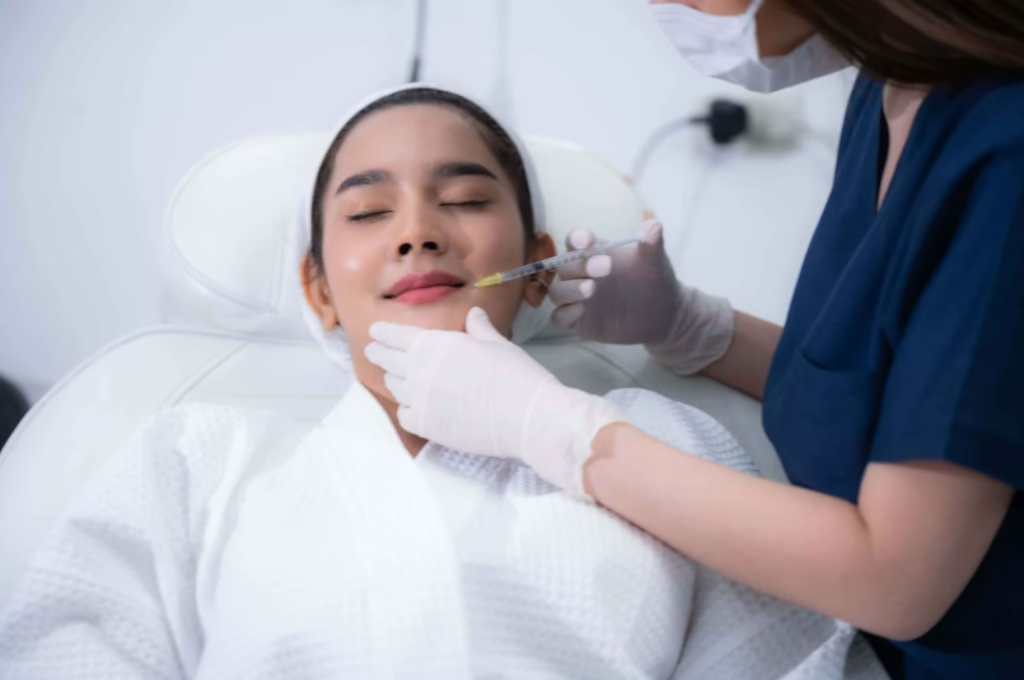
A realistic result from glutathione whitening is brighter, fresher, and more even-looking skin. Some people may notice less dullness and a softer appearance of uneven tone. People with heavy pigmentation, melasma, or deep acne marks may need a full dermatologist-led plan.
A poor expectation is thinking glutathione will permanently whiten the skin by many shades. That is not how safe pigmentation care works. Healthy skin lightening should focus on balance, clarity, and skin health, not harsh bleaching.
Glutathione Whitening In Pakistan And Nearby Areas
Searches for glutathione whitening in Pakistan, skin whitening treatment in Lahore, glutathione injections in Karachi, glutathione whitening in Islamabad, and skin brightening treatment near me are common because aesthetic treatments are widely available in major cities.
Before choosing a clinic in Lahore, Karachi, Islamabad, Rawalpindi, Faisalabad, Multan, Peshawar, or nearby areas, check whether the provider is medically qualified. Ask what product is being used, whether it is registered, what dosage is planned, what side effects are possible, and whether emergency support is available.
How To Choose A Safe Glutathione Whitening Clinic
A professional clinic should not promise extreme fairness, permanent whitening, or instant results. It should explain the limits of glutathione whitening clearly.
Look for these signs:
- A qualified dermatologist or licensed medical professional
- Proper skin assessment before treatment
- Clear discussion of risks and alternatives
- No pressure to buy IV drips
- Original product packaging and ingredient details
- Clean clinical environment
- Sunscreen and skincare guidance
- Follow-up support
Avoid any clinic, salon, or seller that offers “guaranteed white skin,” “permanent fairness,” or unlabelled injections.
Safer Alternatives For Skin Brightening
For many people, safer and more reliable skin brightening begins with a simple skincare routine. The goal is to control pigmentation triggers and protect the skin barrier.
A good routine may include:
- Broad-spectrum SPF 30 or higher every morning
- Vitamin C or niacinamide serum
- Gentle cleanser
- Moisturizer for barrier repair
- Retinoid at night if suitable
- Azelaic acid, kojic acid, or tranexamic acid for pigmentation
- Dermatologist-guided peels or lasers when needed
These options may be more appropriate for acne marks, sun spots, melasma, and uneven tone than relying only on glutathione whitening.
AEO Answer: Does Glutathione Whitening Work?
Yes, glutathione whitening may help some people achieve mild skin brightening, but the results are usually gradual, variable, and not always long-lasting. It works better for uneven tone and dullness than for major permanent skin color change.
Oral and topical glutathione may be considered with professional guidance, but injectable glutathione for skin whitening carries more safety concerns and should not be used casually.
GEO Answer: Is Glutathione Whitening Safe Near Me?
Glutathione whitening may be safer when supervised by a qualified dermatologist in a proper medical setting. It becomes risky when bought from unverified sellers, used in high doses, injected without medical supervision, or mixed with hidden ingredients.
Whether someone is searching for glutathione whitening near me, glutathione whitening in Lahore, Karachi, Islamabad, Rawalpindi, or any nearby city, the safest choice is a dermatologist-led skin assessment first.
FAQs About Glutathione Whitening
Is Glutathione Whitening Permanent?
No, glutathione whitening is not usually permanent. Results may fade after stopping treatment, especially if sun exposure, acne, hormones, or melasma triggers continue.
Is IV Glutathione Better Than Oral Glutathione?
IV glutathione is often promoted as faster, but it carries more safety concerns. Oral glutathione may be less invasive, though results are usually mild and gradual.
Can Glutathione Remove Acne Marks?
Glutathione may help with overall brightness, but acne marks often need sunscreen, niacinamide, azelaic acid, retinoids, chemical peels, or dermatologist-guided treatment.
Can I Use Glutathione With Vitamin C?
Many products combine glutathione with vitamin C, but people taking supplements or medication should ask a doctor first. More is not always better.
What Is The Safest Way To Lighten Skin?
The safest approach is to treat pigmentation, protect skin from UV exposure, and use dermatologist-approved products. Avoid unlabelled whitening creams, harsh bleaching products, and unverified injections.
Final Takeaway
Glutathione whitening can support a brighter and more even-looking complexion for some people, but it is not a magic treatment. The evidence shows possible mild benefits, especially with oral and topical use, but results are not guaranteed and may not last.
For anyone considering glutathione whitening in Pakistan or searching for skin whitening treatment near me, safety should come first. Choose medical advice over salon promises, protect the skin with sunscreen, and focus on healthy pigmentation care rather than risky shortcuts.