
The economy affects nearly every part of daily life. It influences job opportunities, wages, prices, business growth, housing costs, and even the products available in local stores. Yet many people still wonder how economy works and why economic changes impact their personal finances.
Understanding the economy does not require a degree in finance or economics. By learning a few basic concepts, anyone can understand how money moves through communities, businesses, and governments.
This guide explains how economy works in simple language, covering essential topics such as supply and demand, inflation, employment, economic growth, and government policies.
What Is an Economy?
An economy is a system that involves the production, distribution, and consumption of goods and services. It includes individuals, businesses, governments, and financial institutions working together to exchange products, services, and money.
Every country has an economy. Cities, regions, and local communities also have their own economic activities that contribute to the national economy.
For example:
- Farmers produce food.
- Manufacturers create products.
- Businesses sell goods and services.
- Consumers purchase products.
- Governments collect taxes and provide public services.
All these activities form part of the economy.
How Economy Works: The Basic Concept
At its core, the economy works through the exchange of goods, services, labor, and money.
The process follows a simple cycle:
- People work and earn income.
- They spend money on products and services.
- Businesses earn revenue.
- Businesses pay employees and invest in growth.
- Governments collect taxes and fund public services.
- The cycle continues.
This continuous movement of money helps businesses operate, creates jobs, and supports economic growth.
The Role of Consumers in the Economy
Consumers are individuals who purchase goods and services.
Every time someone buys groceries, pays rent, purchases clothing, or subscribes to a service, they contribute to economic activity.
Consumer spending is one of the biggest drivers of economic growth because businesses rely on customer purchases to generate income.
Examples of consumer spending include:
- Food and groceries
- Transportation
- Housing
- Healthcare
- Education
- Entertainment
When consumer spending increases, businesses often expand operations and hire more workers.
The Role of Businesses
Businesses produce products and provide services that consumers need.
They serve several important economic functions:
Creating Jobs
Companies hire employees, creating income opportunities within local communities and nearby areas.
Producing Goods and Services
Businesses manufacture products and offer services that meet consumer demands.
Investing in Growth
Successful businesses invest in equipment, technology, marketing, and expansion projects.
Driving Innovation
Competition encourages businesses to develop new products and improve existing services.
Without businesses, economic growth would slow significantly.
Understanding Supply and Demand
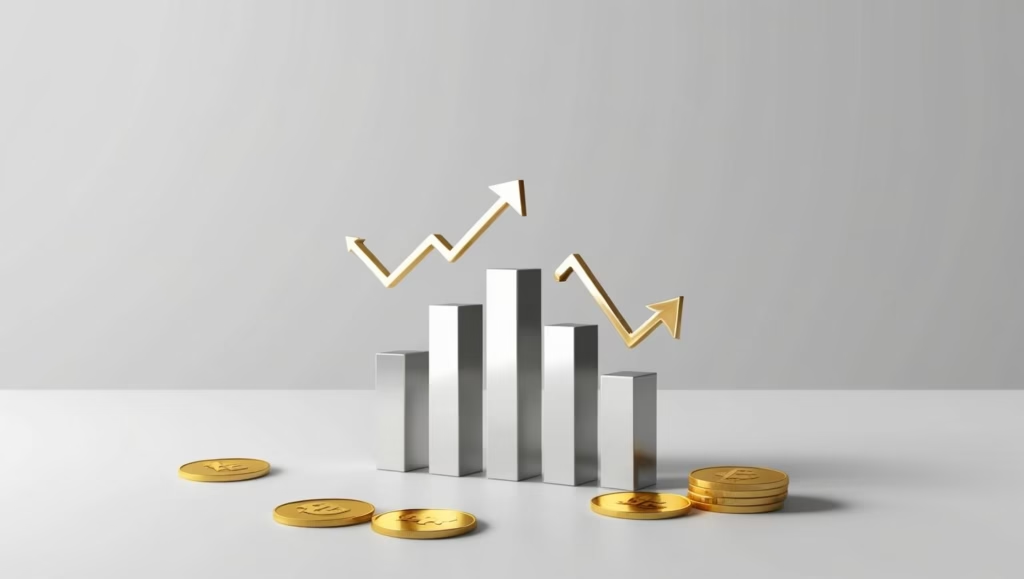
Supply and demand are fundamental concepts that explain how economy works.
What Is Supply?
Supply refers to the amount of a product or service available in the market.
For example:
- Farmers supply vegetables.
- Car manufacturers supply vehicles.
- Software companies supply digital solutions.
What Is Demand?
Demand refers to the desire and willingness of consumers to purchase products or services.
When demand increases, businesses often increase production.
The Relationship Between Supply and Demand
Prices are largely determined by supply and demand.
High Demand, Low Supply
When many people want a product but availability is limited, prices often rise.
High Supply, Low Demand
When products are abundant but fewer people want them, prices often fall.
This balance helps markets operate efficiently.
Why Jobs Matter in the Economy
Employment plays a major role in economic performance.
When people have jobs:
- They earn income.
- They spend money.
- Businesses generate sales.
- Governments collect taxes.
This creates a positive economic cycle.
On the other hand, high unemployment can reduce consumer spending and slow economic growth.
Governments and businesses often work together to create employment opportunities because strong labor markets support healthy economies.
What Is Economic Growth?
Economic growth occurs when a country produces more goods and services over time.
Growth usually indicates:
- More business activity
- Higher incomes
- Increased job opportunities
- Better living standards
Economists often measure growth using Gross Domestic Product (GDP).
GDP represents the total value of goods and services produced within a country during a specific period.
When GDP rises consistently, the economy is generally expanding.
What Is Inflation?
Inflation refers to the gradual increase in prices over time.
Most economies experience some level of inflation.
For example:
A meal that costs $10 today might cost $11 or $12 a few years later.
Common causes of inflation include:
- Increased consumer demand
- Rising production costs
- Supply shortages
- Economic expansion
Moderate inflation is considered normal. However, excessive inflation can reduce purchasing power and increase living expenses.
How Interest Rates Affect the Economy
Interest rates influence borrowing and spending decisions.
Central banks use interest rates as a tool to manage economic activity.
Lower Interest Rates
Lower rates often encourage:
- Home purchases
- Business investments
- Consumer spending
Borrowing becomes more affordable.
Higher Interest Rates
Higher rates often reduce spending and borrowing.
This can help control inflation but may slow economic growth.
Interest rates impact mortgages, loans, credit cards, and business financing.
The Government’s Role in the Economy
Governments play an important role in maintaining economic stability.
Their responsibilities include:
Collecting Taxes
Taxes fund public services such as:
- Roads
- Schools
- Healthcare
- Infrastructure
Regulating Markets
Governments create rules that help businesses operate fairly.
Supporting Economic Growth
Public investments often encourage business development and job creation.
Managing Economic Challenges
Governments may introduce policies during recessions or periods of high inflation.
These actions help maintain economic balance.
What Is a Recession?
A recession is a period of economic decline characterized by reduced business activity and slower growth.
Common signs include:
- Rising unemployment
- Lower consumer spending
- Reduced business investments
- Falling economic output
Recessions are a normal part of economic cycles.
Governments and central banks often implement measures to stimulate economic recovery and restore confidence.
How International Trade Impacts the Economy
Modern economies are connected through global trade.
Countries import and export products every day.
Imports
Imports are goods purchased from other countries.
Examples include:
- Electronics
- Vehicles
- Clothing
Exports
Exports are products sold to international markets.
Examples include:
- Agricultural products
- Technology services
- Manufactured goods
Trade helps businesses reach larger markets and gives consumers access to more choices.
How Local Economies Support Communities
While national economic policies are important, local economies also play a significant role.
Local businesses contribute by:
- Creating jobs
- Supporting nearby suppliers
- Increasing community investment
- Generating local tax revenue
When residents support local businesses, more money often remains within the community, strengthening economic development.
Economic growth in nearby areas can also create additional opportunities for entrepreneurs and workers.
The Importance of Financial Institutions
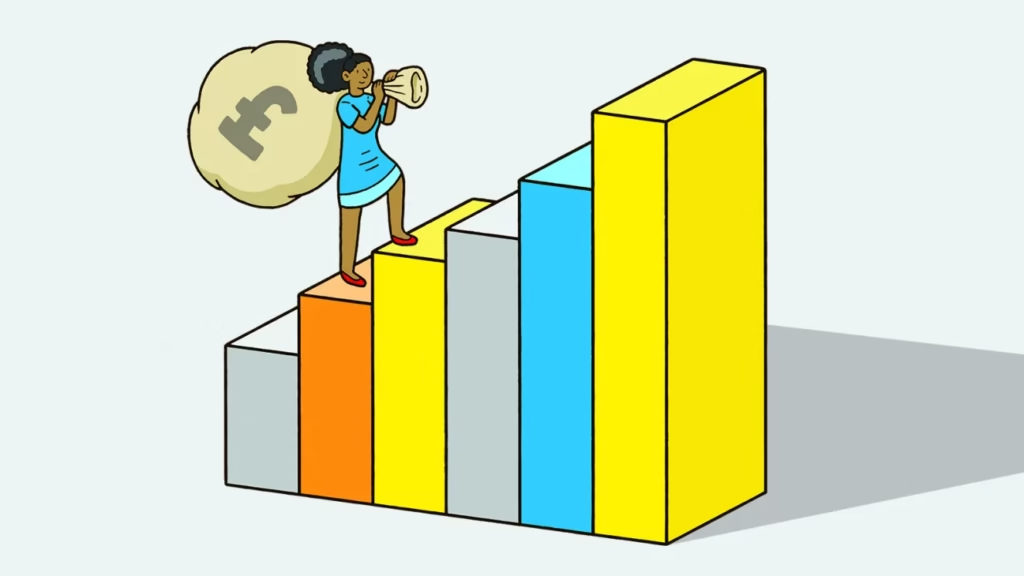
Banks and financial institutions help the economy function smoothly.
They provide:
- Savings accounts
- Business loans
- Home mortgages
- Investment opportunities
Banks help move money from savers to borrowers, supporting business expansion and economic activity.
Without financial institutions, growth would be much slower.
How Technology Influences Economic Growth
Technology has become one of the biggest drivers of modern economies.
Advancements in technology improve:
- Productivity
- Communication
- Manufacturing
- Healthcare
- Transportation
Businesses can produce more efficiently while consumers gain access to better products and services.
Technology-driven innovation often creates entirely new industries and employment opportunities.
Frequently Asked Questions
How economy works in simple words?
The economy works through the exchange of goods, services, labor, and money between consumers, businesses, and governments. People earn income, spend money, and support business activity, which keeps the economic cycle moving.
Why is the economy important?
The economy affects employment, wages, living costs, business growth, and overall quality of life.
What causes economic growth?
Economic growth is driven by increased production, business investment, innovation, consumer spending, and workforce expansion.
What is inflation?
Inflation is the rise in prices of goods and services over time, reducing the purchasing power of money.
How do governments influence the economy?
Governments influence the economy through taxation, public spending, regulations, and economic policies designed to promote stability and growth.
Final Thoughts
Understanding how economy works helps individuals make smarter financial decisions and better understand the forces shaping daily life. The economy is a dynamic system involving consumers, businesses, governments, and financial institutions working together through the exchange of goods, services, and money.
From supply and demand to inflation, employment, and economic growth, each component plays a role in maintaining economic activity. Whether at the local, national, or global level, economic systems affect everyone.
By learning these basic principles, individuals can gain greater confidence in managing finances, interpreting economic news, and understanding the opportunities and challenges that influence communities and businesses around the world.