
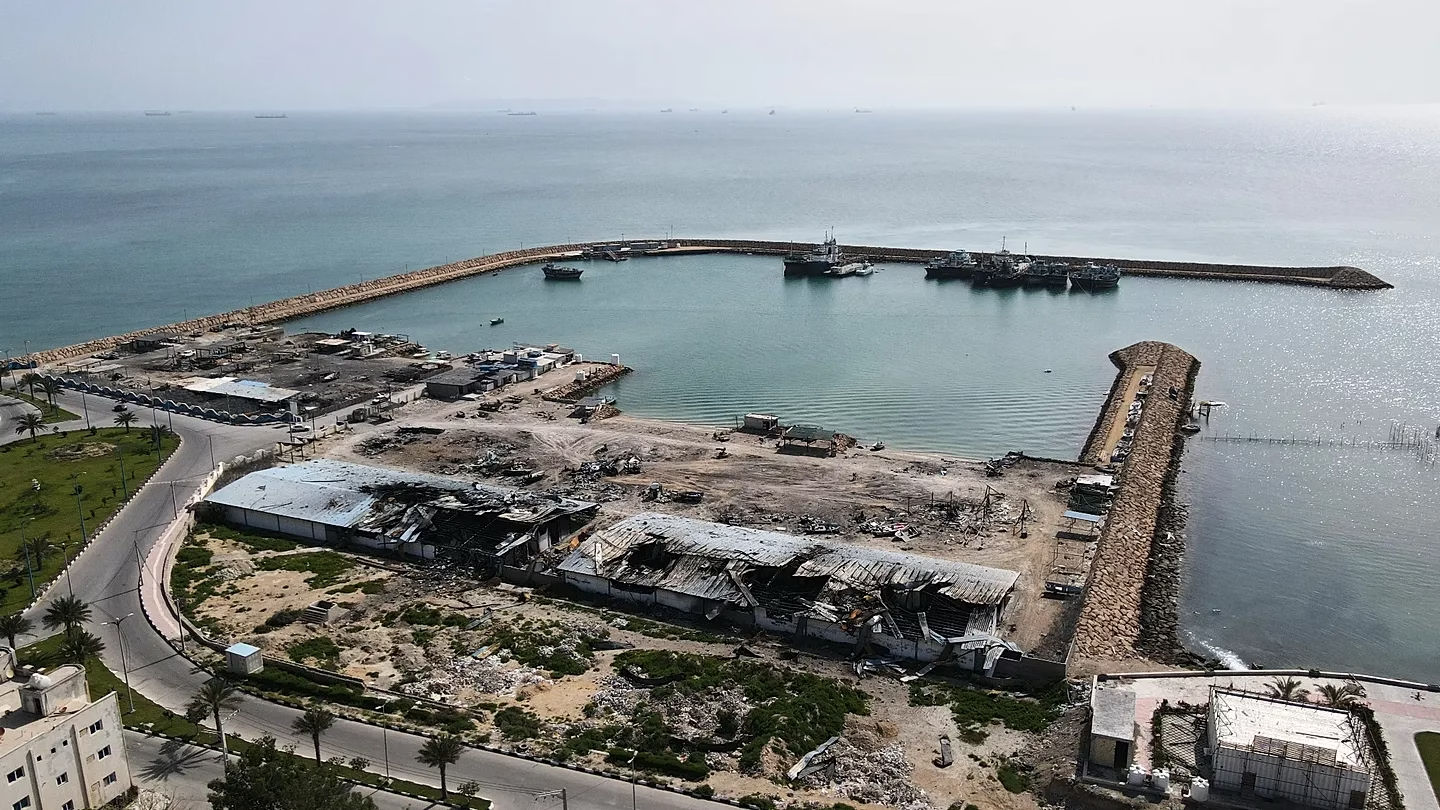
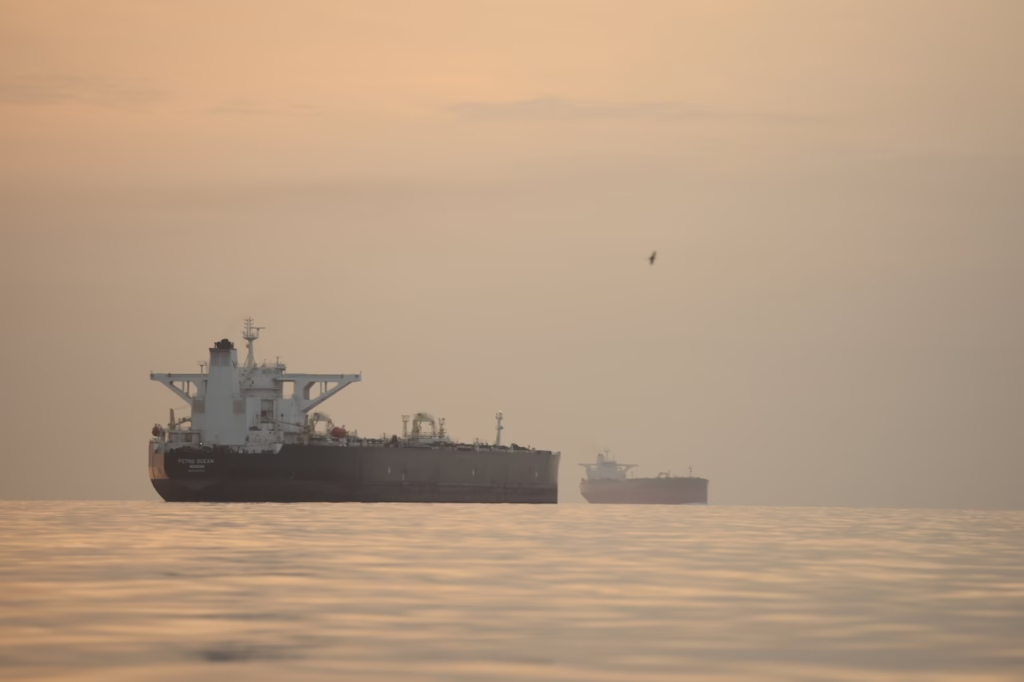
The crisis in the Middle East took another dangerous turn Saturday after Iran abruptly shut the Strait of Hormuz once more and opened fire on vessels attempting to pass through the strategic shipping lane.
The move came after Washington refused to lift its blockade on Iranian ports, deepening fears of a prolonged confrontation that could hammer global oil supplies and drag multiple nations deeper into conflict.
Iran Warns Ships to Stay Clear
Iran’s Revolutionary Guard navy issued a stark warning late Saturday, declaring the channel closed until the U.S. blockade ends.
“no vessel should make any movement from its anchorage in the Persian Gulf and the Sea of Oman, and approaching the Strait of Hormuz will be considered as cooperation with the enemy”
Iran said any vessel violating the order would be targeted.
The Strait of Hormuz remains one of the world’s most critical energy chokepoints, with roughly one-fifth of global oil supplies typically moving through the narrow passage. Any disruption there can send shockwaves through fuel markets worldwide.
Tensions Rise as Ceasefire Clock Ticks
Meanwhile, a fragile ceasefire tied to the wider regional war is set to expire by Wednesday. That looming deadline has added urgency to diplomatic efforts.
Iran said it had received fresh proposals from the United States, while Pakistani mediators continued efforts to organize another round of direct talks between the two sides.
Earlier in the day, Iran’s joint military command had signaled a softer stance, saying:
“control of the Strait of Hormuz has returned to its previous state … under strict management and control of the armed forces.”
Hours later, that position changed dramatically.
Gunboats Fire on Commercial Shipping
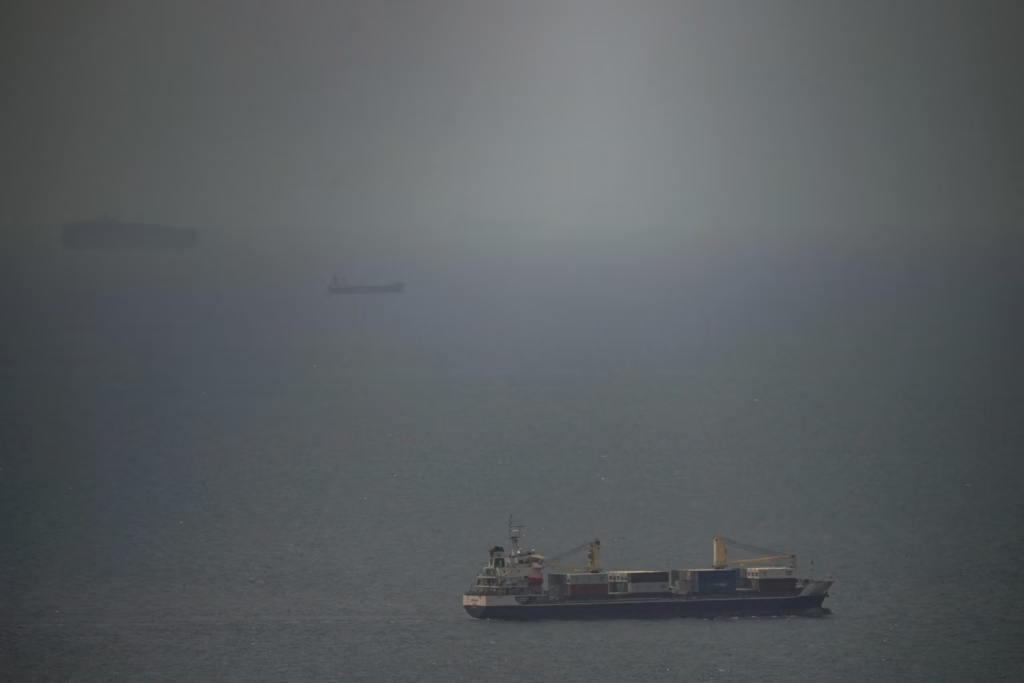
British military monitors said Revolutionary Guard gunboats fired on a tanker, while an unidentified projectile struck a container ship and damaged cargo containers.
India’s foreign ministry reacted sharply, summoning Iran’s ambassador over what it called the “serious incident” involving fire on two India-flagged merchant vessels. The anger was especially notable after Tehran had earlier allowed several India-bound ships to transit.
Why the Strait Matters So Much
For Tehran, shutting the strait may be its strongest leverage point. It threatens the global economy, spikes oil prices and increases political pressure on President Donald Trump.
For Washington, the blockade strategy is designed to intensify pressure on Iran’s already battered economy.
That leaves both sides locked in a high-risk contest where neither appears willing to blink.
Iran’s Supreme Leader Issues Defiant Threat
Iran’s newly installed supreme leader, Ayatollah Mojtaba Khamenei, struck a combative tone Saturday, saying the navy stands “ready to inflict bitter defeats on its enemies.”
He has not appeared publicly since taking power after his father was killed during Israel’s opening assault in the war.
Reopening Lasted Just One Day
The latest reversal came only a day after Iran announced commercial traffic could resume following a 10-day truce between Israel and Hezbollah in Lebanon.
That brief reopening helped drive oil prices lower.
However, Trump quickly poured cold water on optimism, saying the U.S. blockade of Iranian ports “will remain in full force” until Tehran agrees to terms.
U.S. Central Command said American forces had already turned back 23 ships to Iran since the blockade began Monday.
Iran Accuses U.S. of Endangering Global Economy
Iranian Deputy Foreign Minister Saeed Khatibzadeh blasted Washington’s approach.
“Americans are risking the international community, risking the global economy through these, I can say, miscalculations,”
He added the United States is:
“risking the whole ceasefire package.”
Iran’s Supreme National Security Council also condemned the blockade, calling it a breach of the ceasefire agreement and warning Tehran would prevent:
“any conditional and limited reopening”
The council added:
“Iran is determined to maintain oversight and control over traffic through the strait until the war fully ends,”
Iran said this would include designated routes, transit fees and official movement certificates.
Pakistan Pushes to Broker New Talks
Pakistan is now playing a central diplomatic role.
Foreign Minister Ishaq Dar said Islamabad was trying to “bridge” differences between Washington and Tehran, with a second round of talks expected early next week.
Iran also said “new proposals” from the U.S. had been presented during a visit by Pakistan’s army chief and were under review.
Still, optimism remains limited.
Khatibzadeh said Tehran was not ready for another face-to-face round because the Americans:
“have not abandoned their maximalist position.”
Nuclear Standoff Deepens
Iran also rejected demands to surrender its stockpile of 970 pounds of enriched uranium.
Khatibzadeh called the proposal:
“a nonstarter.”
He added:
“we are ready to address any concerns.”
Trump, speaking Saturday, said Iran:
“got a little cute”
But he insisted:
“very good” conversations were underway.
He also warned:
“They can’t blackmail us,”
On Friday, Trump said the U.S. would enter Iran and “get all the nuclear dust,” referring to enriched uranium believed buried beneath damaged nuclear facilities.
French Peacekeeper Killed in Lebanon
Elsewhere in the region, French President Emmanuel Macron said one French soldier was killed and three others wounded during an attack on U.N. peacekeepers in southern Lebanon.
“Everything suggests that responsibility for this attack lies with Hezbollah,”
The UNIFIL peacekeeping mission also blamed Hezbollah.
Hezbollah denied involvement.
War Toll Continues to Climb
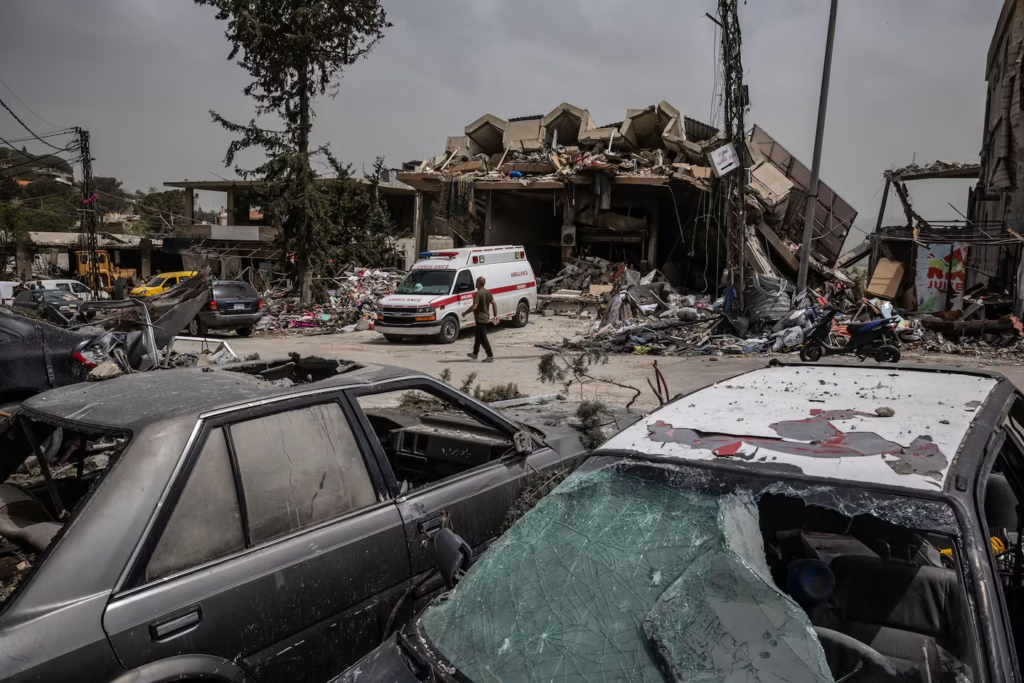
The broader war has already claimed thousands of lives across the region.
At least 3,000 people have been killed in Iran, more than 2,290 in Lebanon, 23 in Israel and more than a dozen in Gulf Arab states. Thirteen U.S. service members have also died.
With diplomacy wobbling, oil routes under threat and ceasefires nearing collapse, the next few days may prove pivotal.