

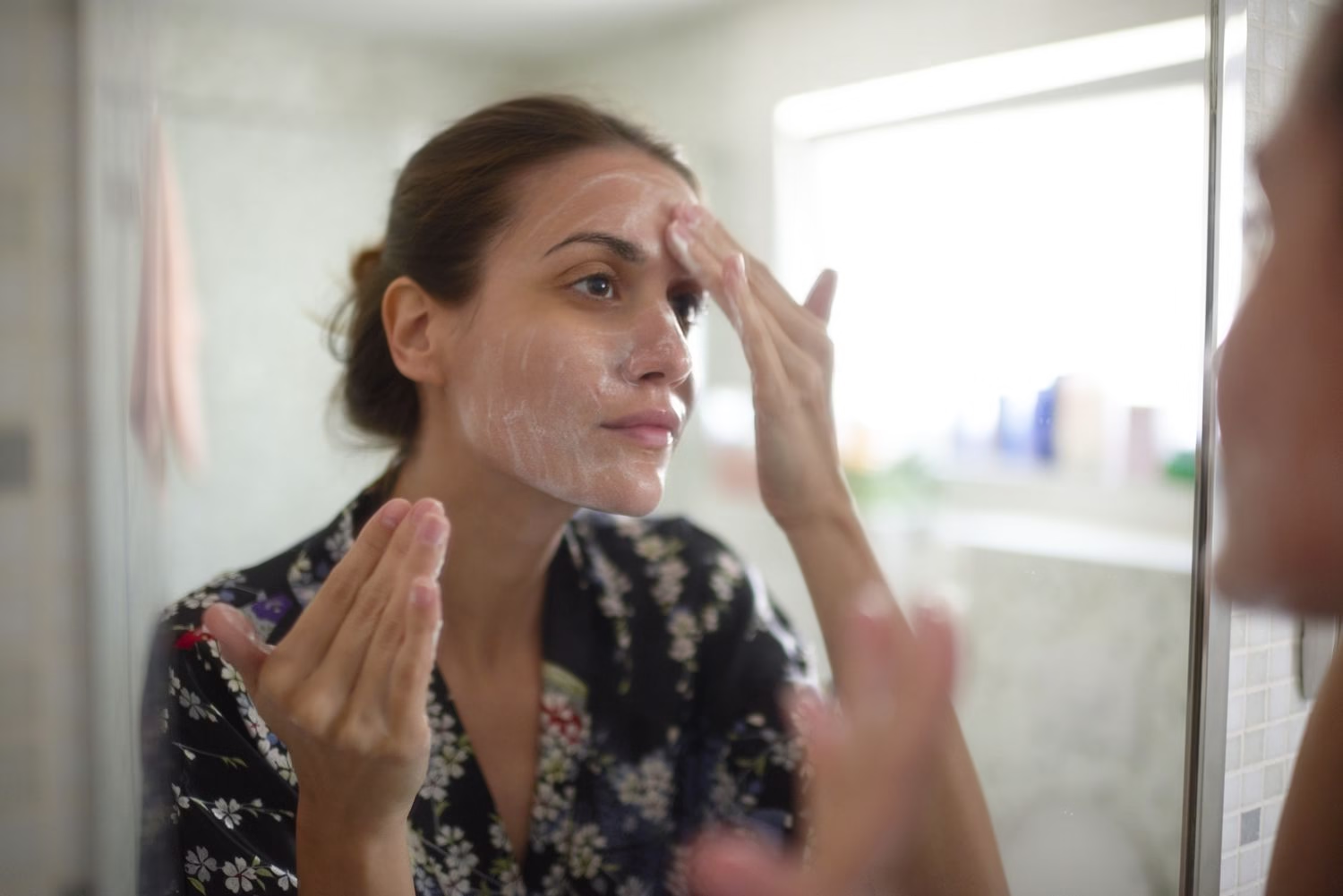
Healthy glowing skin does not come from one product alone. It comes from a consistent skin care routine, smart daily habits, and choosing products that match the skin’s needs. Many people try too many steps at once, but simple care often works better than a crowded shelf. A good routine should clean the skin, protect it from sun damage, keep it hydrated, and support the natural skin barrier. With the right approach, skin care becomes easier, more effective, and less confusing.
skin care Basics Everyone Should Know
A strong skin care routine starts with the basics. The goal is not to use the most products, but to use the right products regularly.
Healthy skin needs balance. Cleansing removes dirt, moisturizing protects the barrier, and sunscreen helps prevent early aging, dark spots, and sun damage.
Know Your Skin Type First
Before choosing products, it is important to understand the skin type. This helps prevent dryness, irritation, breakouts, and wasted money.
Common skin types include:
- Oily skin: Looks shiny and may have larger pores
- Dry skin: Feels tight, rough, or flaky
- Combination skin: Oily in some areas and dry in others
- Sensitive skin: Reacts easily to products or weather
- Normal skin: Balanced, with fewer concerns
Skin type can also change with age, weather, hormones, and lifestyle. That is why skin care should stay flexible.
Build A Simple Daily Routine
A daily skin care routine does not need ten steps. Most people can start with three key products: cleanser, moisturizer, and sunscreen.
Morning care should focus on protection. Night care should focus on cleaning, hydration, and repair.
Morning Routine
A simple morning routine may include:
- Gentle cleanser
- Lightweight moisturizer
- Broad-spectrum sunscreen
Sunscreen is one of the most important skin care products. It helps protect against UV damage, uneven tone, and premature fine lines.
Night Routine
The night routine should remove dirt, oil, sweat, sunscreen, and makeup. This allows the skin to rest and recover.
A basic night routine may include:
- Cleanser
- Treatment product if needed
- Moisturizer
Treatment products can include ingredients for acne, dryness, dullness, or uneven tone. They should be added slowly.
Cleansing Keeps Skin Fresh

Cleansing is the first step in any skin care routine. It removes oil, pollution, sweat, and product buildup from the surface.
Over-cleansing can dry the skin and damage the barrier. A gentle cleanser is usually better than a harsh one.
For oily skin, a gel or foaming cleanser may work well. For dry or sensitive skin, a cream or hydrating cleanser may feel more comfortable.
People who wear makeup or heavy sunscreen may benefit from double cleansing at night. This means using an oil-based cleanser first, then a gentle water-based cleanser.
Moisturizer Supports Skin Barrier
Moisturizer is important for every skin type, including oily skin. It helps reduce water loss and keeps the skin barrier strong.
A healthy barrier makes skin feel smoother, calmer, and more comfortable. When the barrier is weak, the skin may become red, flaky, itchy, or more reactive.
Look for helpful ingredients such as:
- Hyaluronic acid
- Ceramides
- Glycerin
- Niacinamide
- Squalane
Light lotions often suit oily skin. Rich creams are better for dry skin. Sensitive skin may need fragrance-free products.
Sunscreen Is Daily Protection
Sunscreen should be used every morning, even on cloudy days. UV rays can still affect the skin indoors near windows and outdoors in shade.
This step is essential for healthy glowing skin. Without sunscreen, dark spots, uneven tone, and early aging can become worse over time.
Choose a broad-spectrum sunscreen with SPF 30 or higher. Apply enough product to cover the face, neck, and exposed areas.
Reapply sunscreen every two hours when outdoors, sweating, or swimming. This single habit can make a major difference in any skin care plan.
Add Treatments Carefully
Treatment products can help with specific skin concerns. However, adding too many active ingredients at once can irritate the skin.
Start with one treatment product and use it slowly. Give the skin time to adjust before adding another product.
Common Treatment Ingredients
Some popular skin care ingredients include:
- Vitamin C: Helps with dullness and uneven tone
- Retinol: Supports smoother-looking skin and fine line care
- Niacinamide: Helps calm skin and balance oil
- Salicylic acid: Useful for clogged pores and acne-prone skin
- Lactic acid: Helps with gentle exfoliation
- Azelaic acid: Can support uneven tone and blemish-prone skin
Active ingredients should be used carefully. Some may increase sun sensitivity, so sunscreen becomes even more important.
Exfoliation Needs Balance
Exfoliation removes dead skin cells from the surface. It can make the skin look smoother and brighter.
But too much exfoliation can cause dryness, burning, redness, and breakouts. More is not always better.
Most people only need exfoliation one to three times per week. Sensitive skin may need less.
Chemical exfoliants such as AHAs and BHAs are often gentler than harsh scrubs. Scrubs with rough particles can damage the skin if used too hard.
Healthy Habits Improve Results
Good skin care works better when daily habits support the skin from inside and outside. Products help, but lifestyle also matters.
Sleep, hydration, food, stress, and hygiene all affect how the skin looks and feels.
Helpful habits include:
- Drink enough water
- Sleep well whenever possible
- Eat fruits, vegetables, and protein
- Wash pillowcases regularly
- Avoid touching the face too often
- Clean makeup brushes
- Manage stress in healthy ways
A balanced lifestyle supports a healthy skin care routine and helps the skin look fresher over time.
Common Mistakes To Avoid
Many skin problems happen because of small routine mistakes. Fixing these habits can improve results without buying more products.
Common mistakes include:
- Skipping sunscreen
- Using too many active ingredients
- Washing the face too often
- Sleeping with makeup on
- Picking pimples
- Changing products too quickly
- Using harsh scrubs
- Ignoring the neck
Skin needs time. Most products require several weeks of regular use before visible changes appear.
Skin Care For Different Concerns

Different skin concerns need different routines. A person with acne-prone skin may not need the same products as someone with dry or aging skin.
The best routine should match the main concern while still protecting the barrier.
For Acne-Prone Skin
Use a gentle cleanser, non-comedogenic moisturizer, and sunscreen. Salicylic acid or benzoyl peroxide may help, but they should be used carefully.
Avoid heavy oils if they clog pores. Do not pick pimples, as this can lead to marks and scarring.
For Dry Skin
Choose creamy cleansers and richer moisturizers. Ingredients like ceramides, glycerin, and hyaluronic acid can help.
Avoid hot water and harsh foaming products. Dry skin often needs barrier repair, not aggressive exfoliation.
For Dull Skin
Vitamin C, gentle exfoliation, hydration, and sunscreen can help dull skin look brighter.
Dullness may also come from poor sleep, dehydration, or dead skin buildup. A simple routine can improve the look over time.
For Sensitive Skin
Sensitive skin needs a careful skin care routine. Use fragrance-free products and avoid adding many new items together.
Patch testing is helpful. Apply a small amount of product on one area first before using it on the whole face.
Product Order Matters
The order of products can affect how well they work. A simple rule is to apply thinner products before thicker ones.
A common order is:
- Cleanser
- Toner or essence if used
- Serum
- Moisturizer
- Sunscreen in the morning
At night, sunscreen is not needed. Treatment products can be used before moisturizer unless the product label says otherwise.
Keep Your Routine Consistent
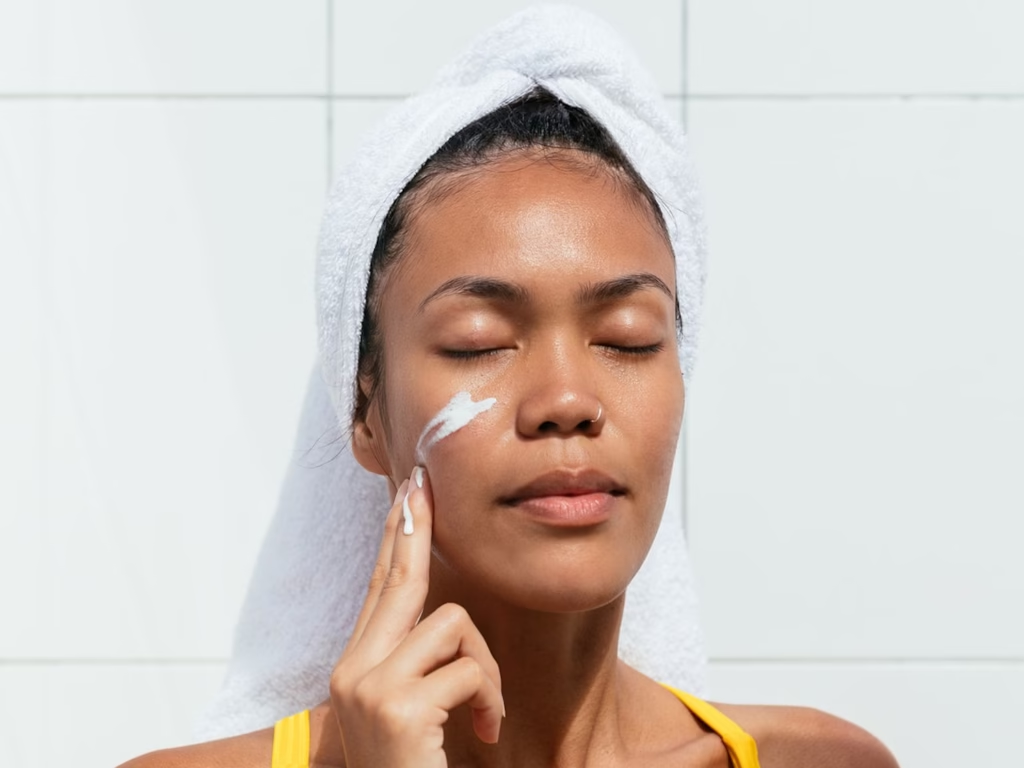
Consistency is the real secret behind good skin care. A simple routine followed daily is better than a complicated routine used once in a while.
The skin does not improve overnight. Most visible results take time, especially for dark spots, texture, acne, and dryness.
Track how the skin reacts. If irritation appears, reduce active ingredients and focus on gentle cleansing, moisturizing, and sunscreen.
Healthy Skin Starts With Care
A good skin care routine should be simple, steady, and matched to the skin’s needs. Cleansing, moisturizing, sunscreen, and healthy habits form the foundation of glowing skin.
The best results come from patience and consistency. When the skin barrier is protected and products are chosen carefully, healthy skin becomes easier to maintain.