
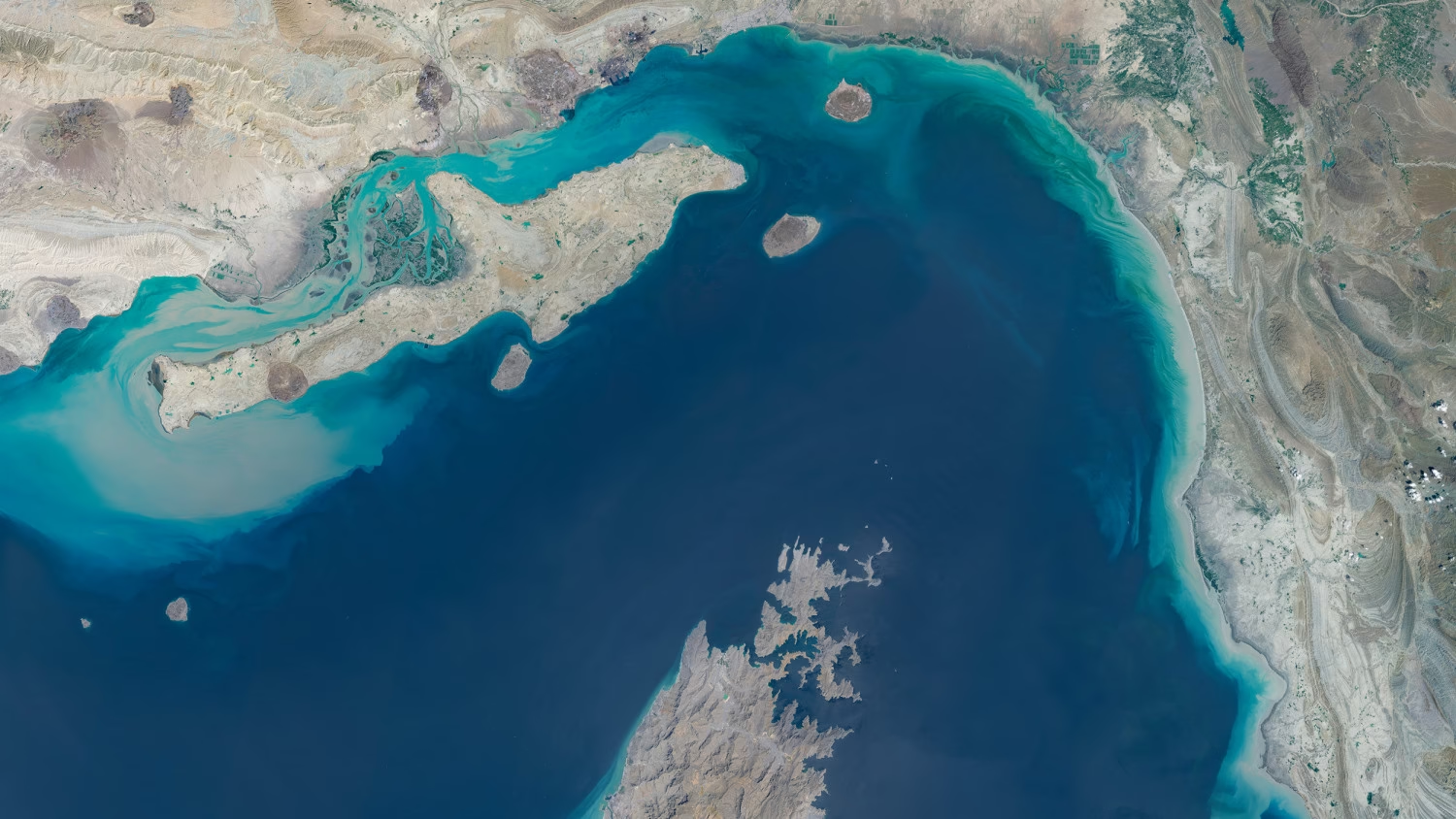
A major escalation unfolded Monday as the United States moved to choke off Iranian port access in the strategically critical Strait of Hormuz, sending shockwaves through global markets and raising fears of a broader conflict.
The move came after diplomatic efforts collapsed, leaving both sides entrenched and the fragile ceasefire hanging by a thread.
Blockade Takes Effect As Deadline Hits
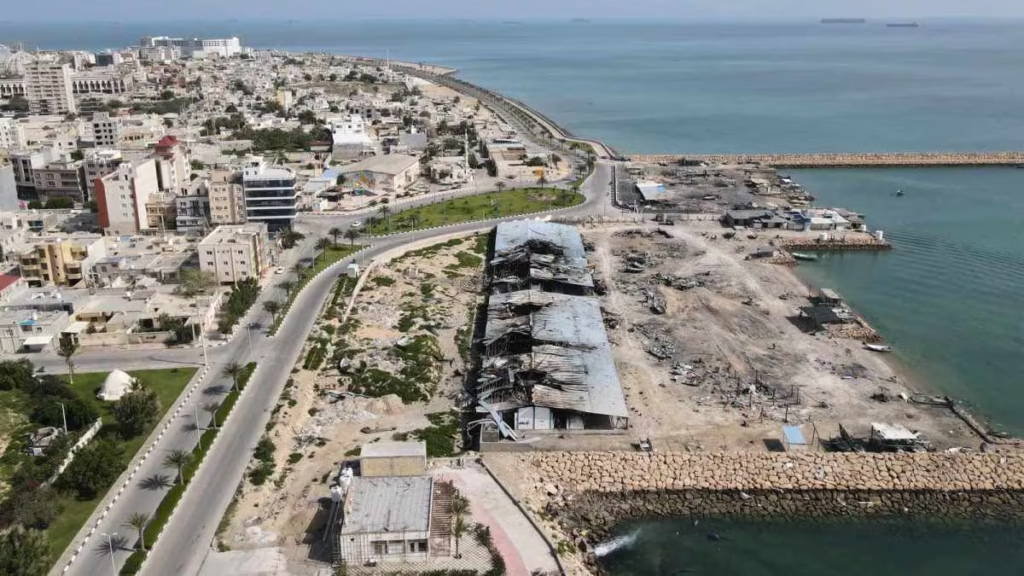
At exactly 10 a.m. ET, U.S. forces began blocking ships from entering or exiting Iranian ports linked to the narrow oil corridor. The decision marks one of the most aggressive economic and military pressure tactics in recent years.
A White House official confirmed the operation was underway, signaling that Washington is prepared to enforce the blockade in real time.
The goal is clear. Force Iran back to the negotiating table and reopen one of the world’s most vital energy routes.
Trump Issues Stark Military Warning
As the blockade began, President Donald Trump delivered a blunt and chilling warning aimed directly at Iran’s naval units.
“If any of these ships come anywhere close to our BLOCKADE, they will be immediately ELIMINATED, using the same system of kill that we use against the drug dealers on boats at Sea,” Trump wrote on Truth Social. “It is quick and brutal.”
The message leaves little room for interpretation. Any challenge to U.S. enforcement could trigger immediate military action.
Scope Of The Blockade Expands
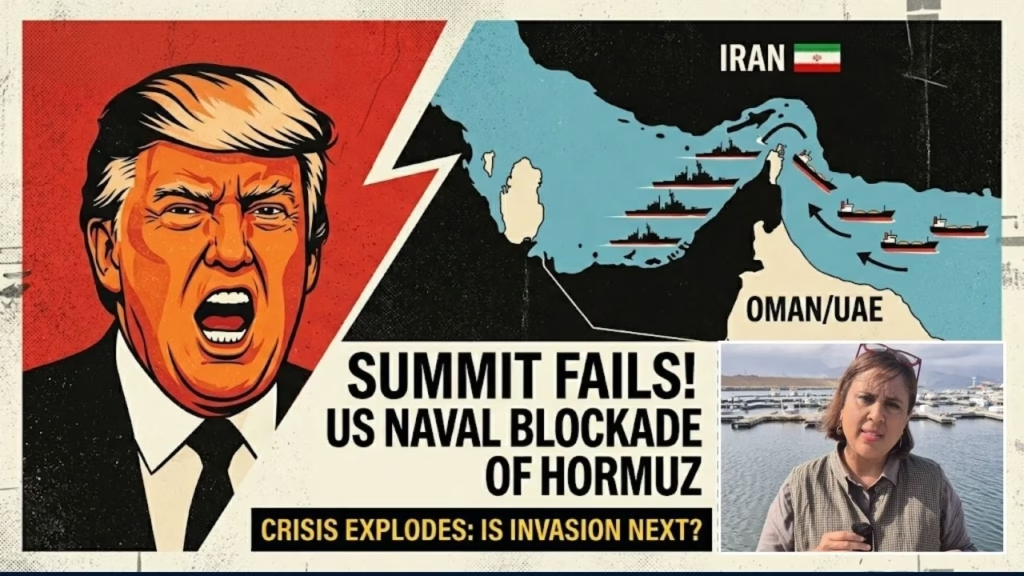
Trump made it clear the restrictions apply broadly, stating the blockade targets “any and all Ships trying to enter, or leave, the Strait of Hormuz.”
However, United States Central Command later clarified a key limitation. Ships traveling to or from non-Iranian ports will still be allowed to pass through the strait.
“The blockade will be enforced impartially against vessels of all nations entering or departing Iranian ports and coastal areas, including all Iranian ports on the Arabian Gulf and Gulf of Oman,” CENTCOM specified.
This distinction attempts to maintain global shipping flow while isolating Iran economically.
Markets React As Oil Prices Surge
Financial markets wasted no time reacting.
U.S. stock futures dropped sharply ahead of the blockade, reflecting investor anxiety over rising geopolitical risk. Meanwhile, crude oil prices surged, driven by fears of supply disruption in one of the world’s most important النفط corridors.
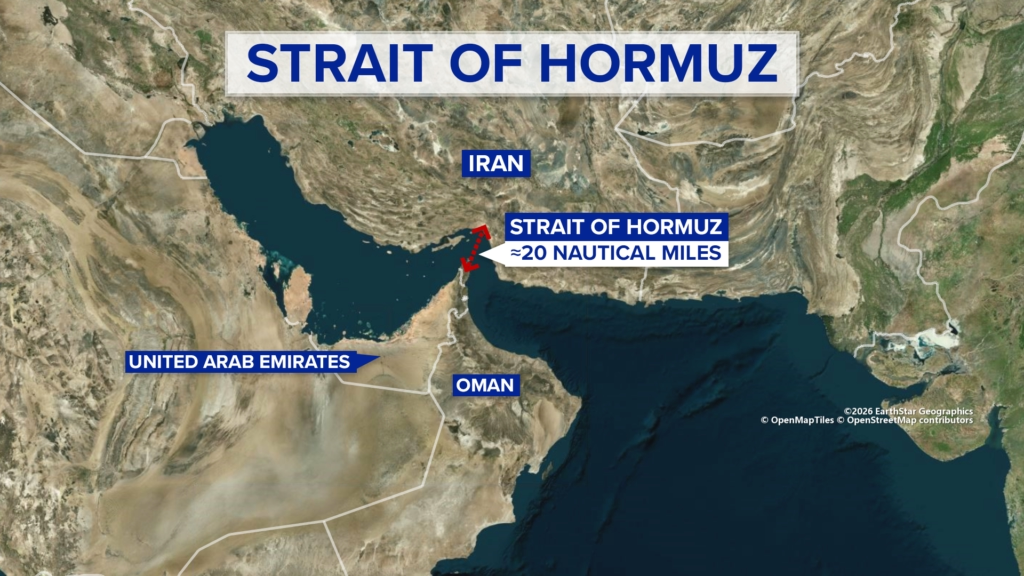
The Strait of Hormuz handles a significant portion of global oil shipments, making any disruption immediately felt worldwide.
Allies Hesitate As Global Divide Emerges
While Trump suggested that other nations would “be involved,” key allies have already stepped back.
Several NATO partners, including United Kingdom and France, have declined to participate in the blockade, exposing fractures in Western unity.
That hesitation raises a critical question. Can the U.S. sustain pressure alone if tensions escalate further?
Iran Fires Back With Economic Warning
Iranian officials responded quickly and sharply.
Mohammad Bagher Ghalibaf warned that the blockade could backfire, driving fuel costs higher across the globe.
“Enjoy the current pump figures. With the so-called ‘blockade’, Soon you’ll be nostalgic for $4–$5 gas,” he said in a post on X.
The warning underscores the global stakes. Any prolonged disruption could hit consumers far beyond the region.
Peace Talks Collapse After High-Stakes Effort
Just days ago, there were hopes for a breakthrough.
A ceasefire had been brokered following a dramatic ultimatum from Trump, who warned Iran its “whole civilization will die” without a deal by a set deadline.
In a last-ditch effort, U.S. negotiators, including Vice President JD Vance, traveled to Islamabad for marathon talks.
The discussions stretched for 21 hours.
Still, they ended in failure.
Vance confirmed early Sunday that the U.S. delegation would return without an agreement, saying Iran refused to commit to abandoning its pursuit of nuclear weapons.
Fragile Ceasefire On The Brink
Although the ceasefire has not been officially scrapped, it now appears dangerously close to collapse.
Both sides accuse each other of violations. Trust is eroding fast. And with military assets now actively enforcing a blockade, the margin for error has all but disappeared.
What happens next may depend on a single misstep in one of the world’s most volatile regions.