
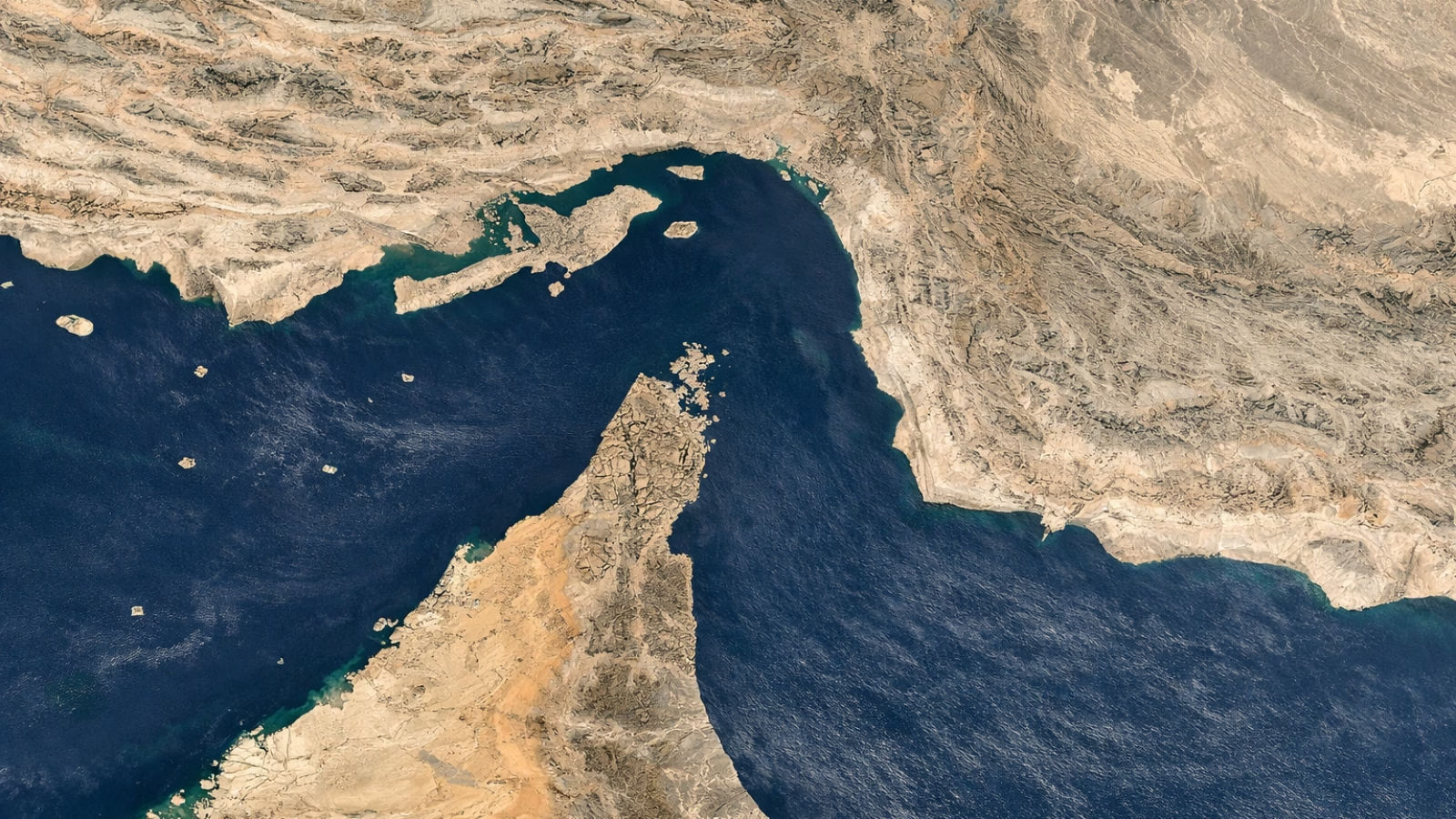
The already volatile situation in the Strait of Hormuz has escalated sharply, with renewed military threats, disrupted shipping lanes, and rising global concern over energy security. What began as a fragile pause in hostilities has now shifted back into confrontation, as tensions between Iran and the United States intensify across one of the world’s most strategic waterways.
Shipping Route Turns Into Flashpoint Again
The crisis intensified after Iran reversed its earlier move to reopen the Strait of Hormuz and instead moved to reassert strict military control over the passage. The decision followed growing friction with the United States over port restrictions and maritime access.
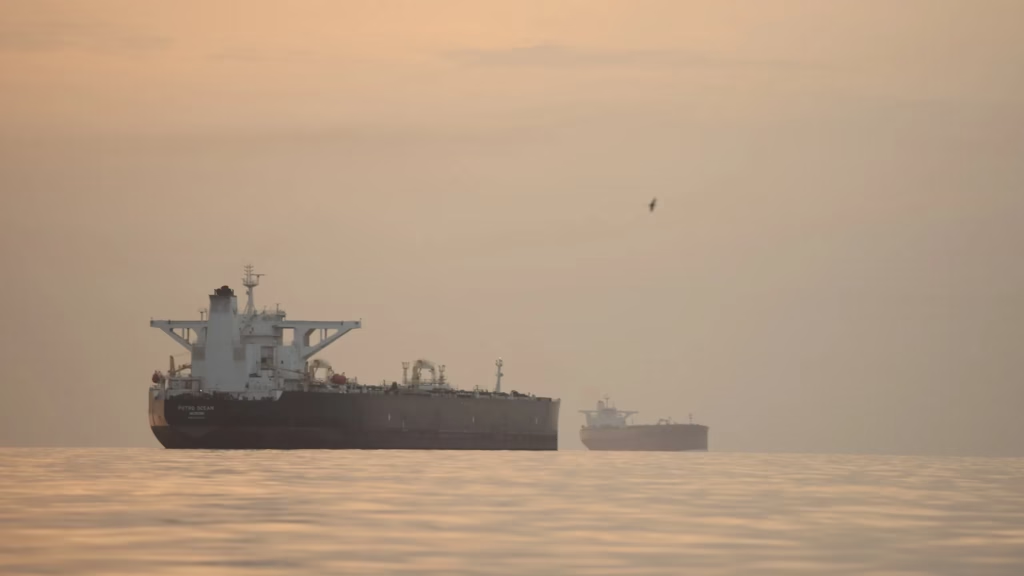
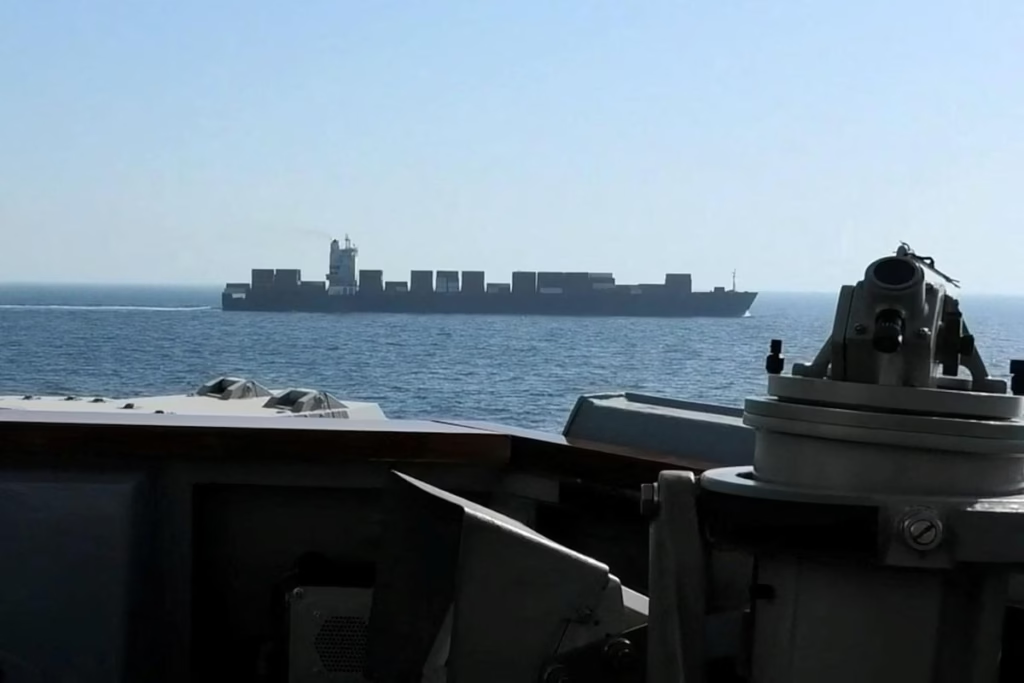
Iran’s Revolutionary Guard navy issued a direct warning, stating “no vessel should make any movement from its anchorage in the Persian Gulf and the Sea of Oman, and approaching the Strait of Hormuz will be considered as cooperation with the enemy”.
The message effectively turned one of the world’s busiest oil transit corridors into a high-risk military zone, leaving commercial shipping operators on edge.
Military Control and Rising Maritime Threats
Iran’s joint military command further reinforced its position, declaring that “control of the Strait of Hormuz has returned to its previous state … under strict management and control of the armed forces.”
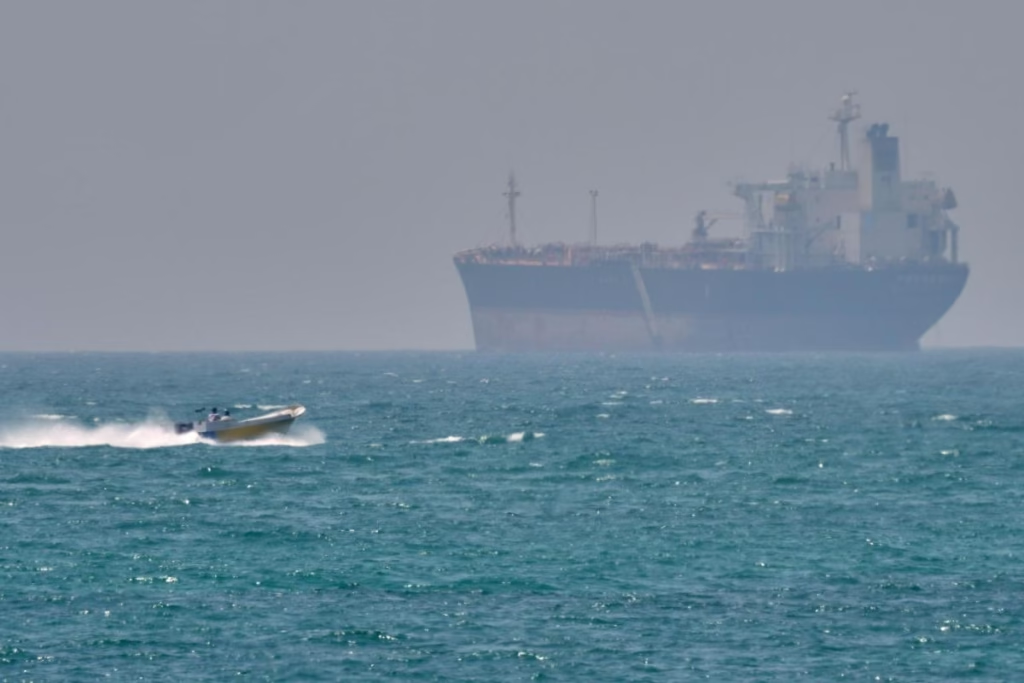
Meanwhile, reports from maritime monitoring groups indicated that gunboats opened fire on a tanker, while another vessel was struck by a projectile, damaging cargo containers. In a separate incident, authorities described a “serious incident” involving two India-flagged merchant ships, prompting diplomatic concerns.
India later summoned Iran’s ambassador following the developments.
Energy Markets Brace for Shockwaves
The Strait of Hormuz handles nearly one-fifth of global oil shipments, making it a critical artery for the world economy. Any disruption immediately raises fears of supply shocks, and this latest escalation has already triggered concern across energy markets.
Analysts warn that continued instability could deepen inflation pressures and strain already fragile supply chains.
Iran Signals Defiance as Tensions Rise
Iranian leadership has adopted an increasingly hardline tone. A senior military figure declared the navy remains “ready to inflict bitter defeats on its enemies.”
The statement signals Tehran’s willingness to escalate if pressure continues, even as diplomatic channels remain technically open.
Diplomatic Efforts Struggle to Gain Ground
Efforts to revive talks between Tehran and Washington continue behind the scenes, with Pakistan playing a mediating role. However, trust between the two sides remains deeply strained.
Iranian officials have sharply criticized the United States, with Deputy Foreign Minister Saeed Khatibzadeh warning, “Americans are risking the international community, risking the global economy through these, I can say, miscalculations,” and adding separately that Washington is “risking the whole ceasefire package.”
Iran’s Supreme National Security Council also issued a firm position, stating it would prevent “any conditional and limited reopening” of the strait.
Nuclear Tensions Add to Pressure
Beyond maritime disputes, nuclear negotiations remain a key sticking point. Iranian officials dismissed certain proposals outright, calling them “a nonstarter.”
The dispute over enriched uranium stockpiles continues to block meaningful progress, with both sides holding firm on core demands.
Trump Responds With Strong Remarks
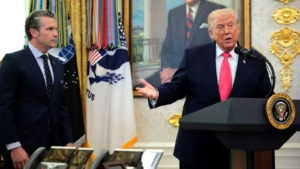
Former U.S. President Donald Trump also weighed in on the escalating situation, describing Iran as having “got a little cute” while insisting that “very good” discussions were ongoing.
He added, “They can’t blackmail us,” and suggested the United States would “go into Iran and “get all the nuclear dust,”” referring to Iran’s enriched uranium stockpile.
Regional Fallout Spreads Beyond the Gulf
The wider conflict has also impacted neighboring regions. A French peacekeeper was killed during an attack in southern Lebanon, highlighting how instability is spreading beyond the Gulf.
At the same time, displaced civilians in Lebanon have begun returning cautiously to their homes, uncertain whether the fragile ceasefire will hold.
Outlook Remains Uncertain
With military warnings escalating, diplomacy stalled, and critical shipping routes under threat, the situation in the Strait of Hormuz remains highly unstable. Global markets and governments are now watching closely, aware that even a single miscalculation could push the crisis into a far more dangerous phase.