
More than 40 nations have come together in a high-stakes diplomatic push, weighing urgent action to force Iran to reopen one of the world’s most critical shipping routes. As tensions escalate, the closure of the Strait of Hormuz is no longer a regional issue, it is rapidly becoming a global economic emergency.
Global Leaders Unite Over Mounting Pressure
In a virtual summit held Thursday, UK foreign secretary Yvette Cooper led discussions focused on coordinated international action. The urgency was clear from the outset, with nations grappling with the ripple effects of disrupted energy supplies and trade routes.
She said: “That’s affecting petrol prices and mortgage rates here in the UK, but also jet fuel across the world, fertiliser to Africa, and also gas to Asia. So countries across the world are being impacted, and that’s why we’re so determined to see every possible diplomatic, economic and coordinated measure to get the strait reopened.”
Meanwhile, officials revealed that the scale of global condemnation has grown significantly. Even countries that have traditionally avoided sanctions are now reconsidering their stance. That shift signals a turning point in how seriously the crisis is being taken.
Economic Shockwaves Spread Worldwide
The impact of the strait’s closure is already being felt across continents. Fuel prices are rising, supply chains are tightening, and vulnerable economies are under increasing strain.
In response, one proposal under consideration at the United Nations involves opening a humanitarian shipping corridor. The goal is simple but critical, ensure that essential goods like fertiliser continue to reach countries at risk of food shortages.
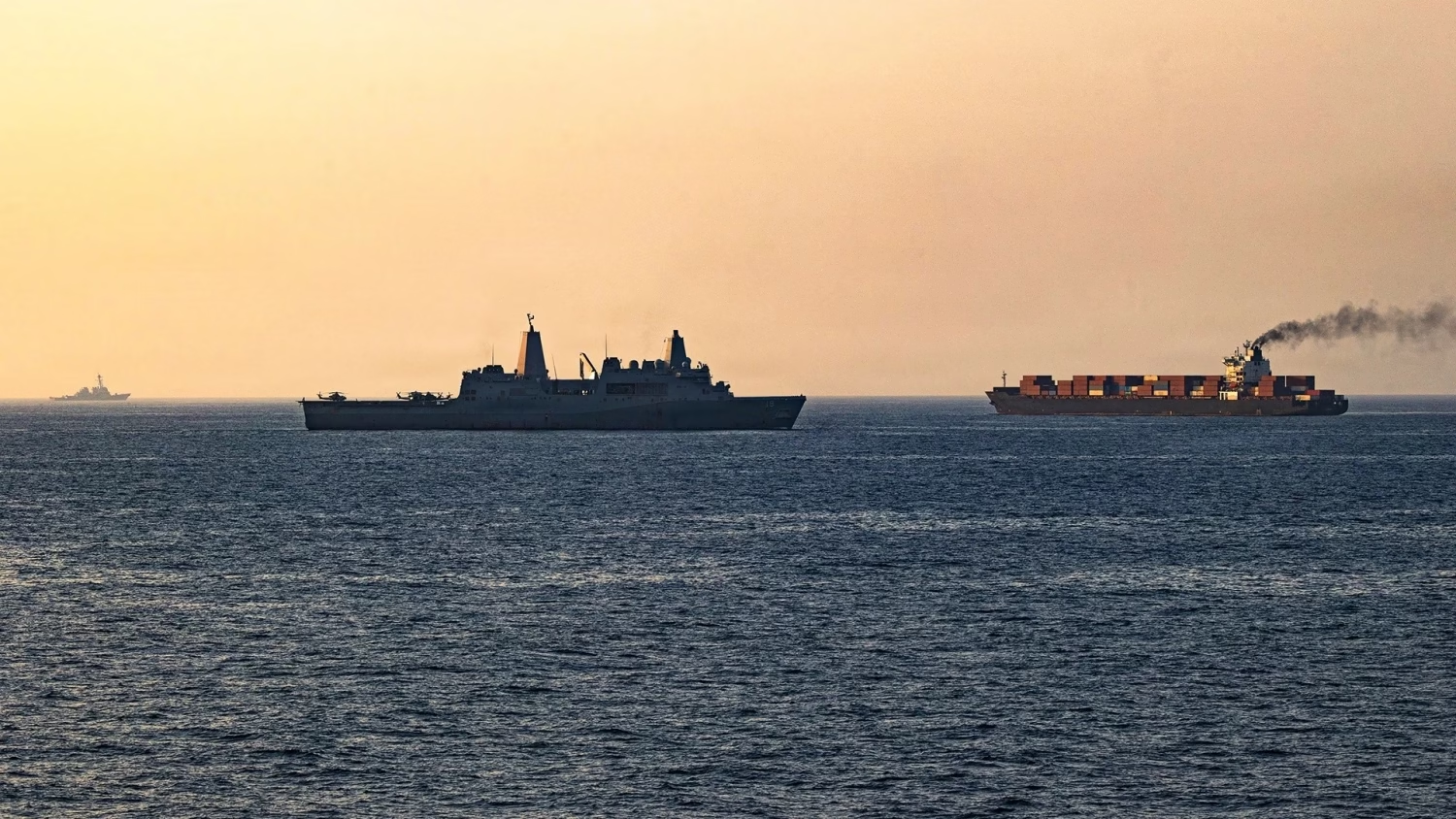
However, the path forward remains uncertain. Military discussions are now scheduled for next week, focusing on whether forces can safely clear sea mines and assist vessels stranded in the waterway.
Military Options And Strategic Calculations
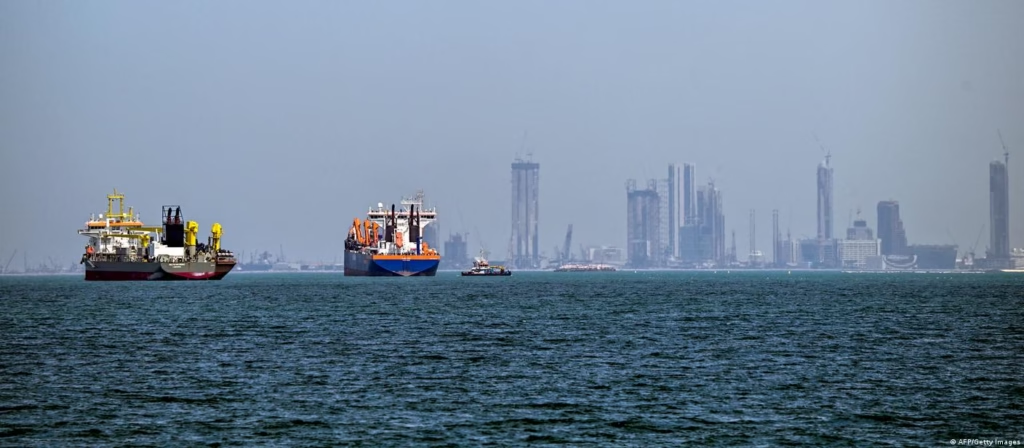 While diplomacy remains the primary approach, governments are quietly preparing for more direct intervention. The upcoming meeting, hosted by Britain’s Permanent Joint Headquarters in Northwood, will explore operational possibilities.
Notably, the United States was absent from the latest round of talks, despite its central role in triggering the broader conflict. Instead, countries including the UK, France, Germany, Australia, and Gulf nations are attempting to chart a path forward without direct US coordination.
Still, the stakes could not be higher. The Strait of Hormuz carries between 10% and 25% of the world’s oil and gas supplies, making any prolonged disruption a serious threat to global stability.
Trump’s Comments Stir Controversy
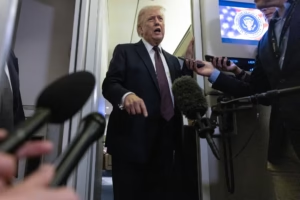
Adding fuel to an already volatile situation, US president Donald Trump suggested that nations dependent on the strait should “build up some delayed courage” and “just grab it”.
However, UK prime minister Keir Starmer struck a more cautious tone, warning that reopening the route would “not be easy”.
Tensions escalated further after Trump publicly mocked Britain’s military capabilities during an Easter event. He said: “I said ‘you have two, old broken-down aircraft carriers, do you think you could send them over’?” Impersonating Starmer, Trump added: “Ohhh I’ll have to ask my team. I said ‘you’re the prime minister, you don’t have to’.”
Warnings Of A Growing Humanitarian Crisis
Beyond politics and military strategy, experts warn of a looming humanitarian disaster. Cooper highlighted projections suggesting millions could face food insecurity if the blockage continues.
The situation is already alarming for countries reliant on imports of fuel and agricultural supplies. Australia, for instance, has seen petrol prices surge sharply, raising fears of shortages.
Foreign minister Penny Wong underscored the severity of the situation, stating: “Iran’s de facto closure of the strait, coupled with its attacks on commercial vessels, civilian infrastructure, including oil and gas facilities, is causing unprecedented energy supply shocks and impacting oil and fuel prices.”
She added: “Iran is deliberately inflicting economic pain on communities worldwide, including the Indo-Pacific, with the costs borne disproportionately by the most vulnerable.”
UK Political Leaders Clash Over Responsibility
 Back in the UK, political leaders are divided over how to respond, and who should take responsibility for the unfolding crisis.
Conservative leader Kemi Badenoch delivered a blunt message, arguing that the US must not walk away from the situation. She said: “If I was speaking to him, I’d be saying: ‘If you break it, you own it.’ That’s what Colin Powell, a former secretary of state in the US, had said. ‘If you break it, you own it.’”
She continued: “He started this war. We said that if he needed support against Iran … use our airbases. That’s one of the things that Britain has done. He should now not be abandoning a mess that he’s made, if he thinks that it is a mess.”
Meanwhile, Reform UK leader Nigel Farage offered a more measured response, saying he was not “angry” with Trump, but admitted it was “difficult listening to the press conferences sometimes” to understand the president’s intentions.
At the same time, Liberal Democrat leader Ed Davey pressed for stronger UK leadership, urging Starmer to “step up” efforts and warning: “The prime minister needs to show an alternative.”
What Happens Next
As the crisis unfolds, the world is watching closely. Will diplomacy succeed in reopening the strait, or will military intervention become unavoidable?
One thing is certain, the longer the Strait of Hormuz remains closed, the greater the global consequences will be.