

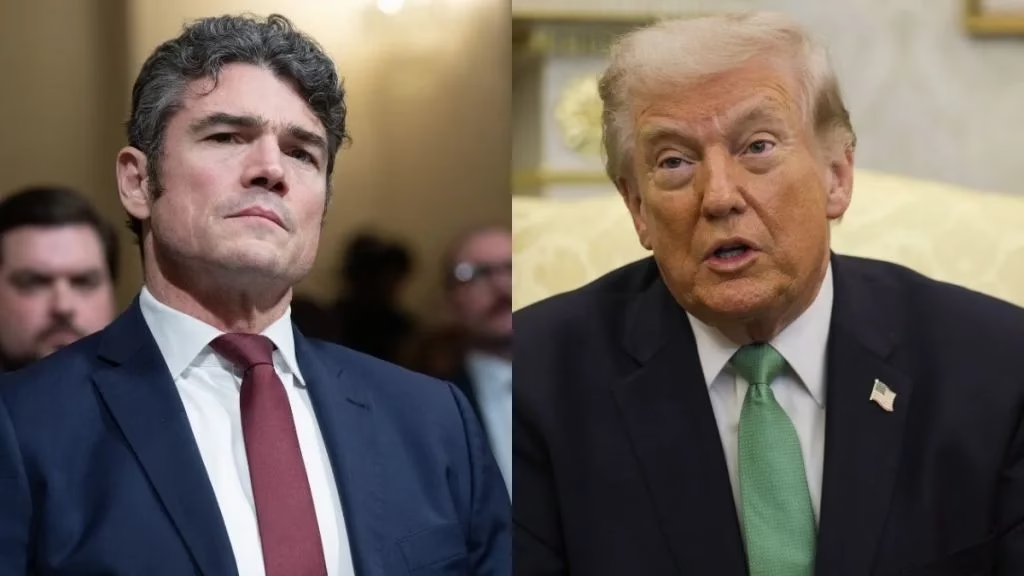
A major shakeup has hit Washington after a senior intelligence figure stepped down, drawing a sharp line over escalating tensions with Iran. The resignation signals growing unease inside the administration, and it raises a bigger question: how deep does that divide really run?
A Sudden Exit That Signals Deeper Tensions
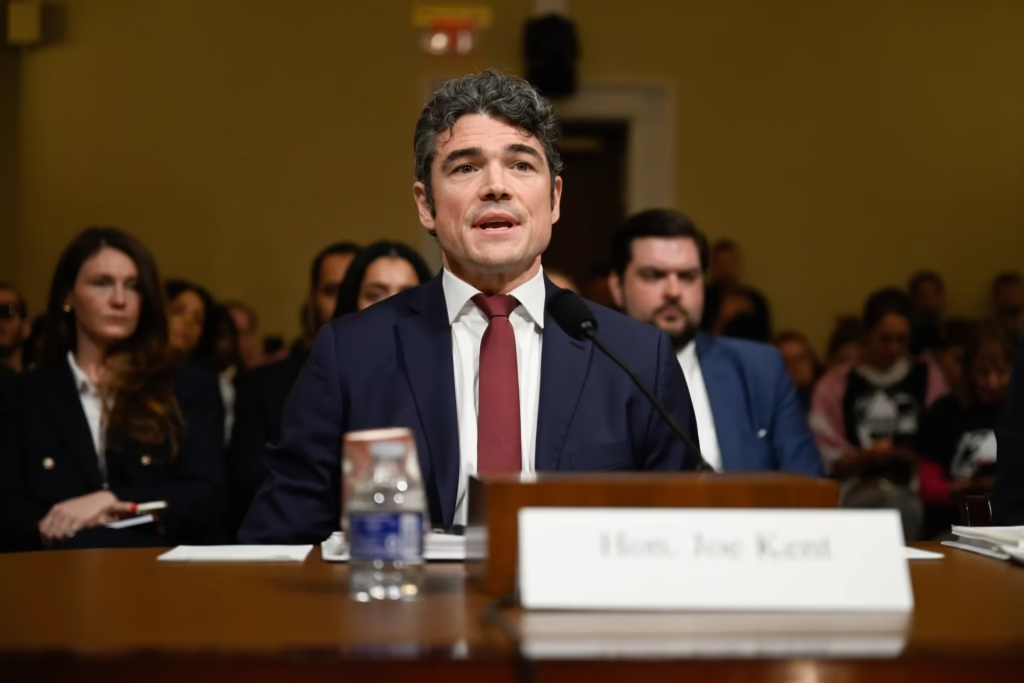
Joe Kent, a leading US intelligence official, confirmed his resignation on Tuesday, making him the first cabinet-level figure to walk away over the administration’s approach toward Iran. His departure was not quiet or procedural. Instead, it came with a clear message and a direct challenge to the current strategy.
Kent pointed to a fundamental disagreement over the threat posed by Iran, stating the country presented “no imminent threat” to the United States. That assessment stands in stark contrast to the justification often used to support military escalation.
Meanwhile, his resignation lands at a critical moment, as policymakers continue to debate whether the situation demands diplomacy or force.
Clash Over Iran Threat Assessment
At the heart of the issue lies a familiar but volatile question: how real is the danger?
Kent’s stance suggests a significant gap between intelligence analysis and policy direction. By asserting there was “no imminent threat,” he effectively rejected the urgency behind calls for military action. That kind of internal dissent is rare, especially at such a high level.
However, it also highlights a broader concern. When intelligence officials and political leaders diverge this sharply, it can reshape both public trust and international perception.
Still, Kent’s decision to resign rather than remain silent underscores how strongly he viewed the situation.
First Cabinet-Level Resignation Over Conflict
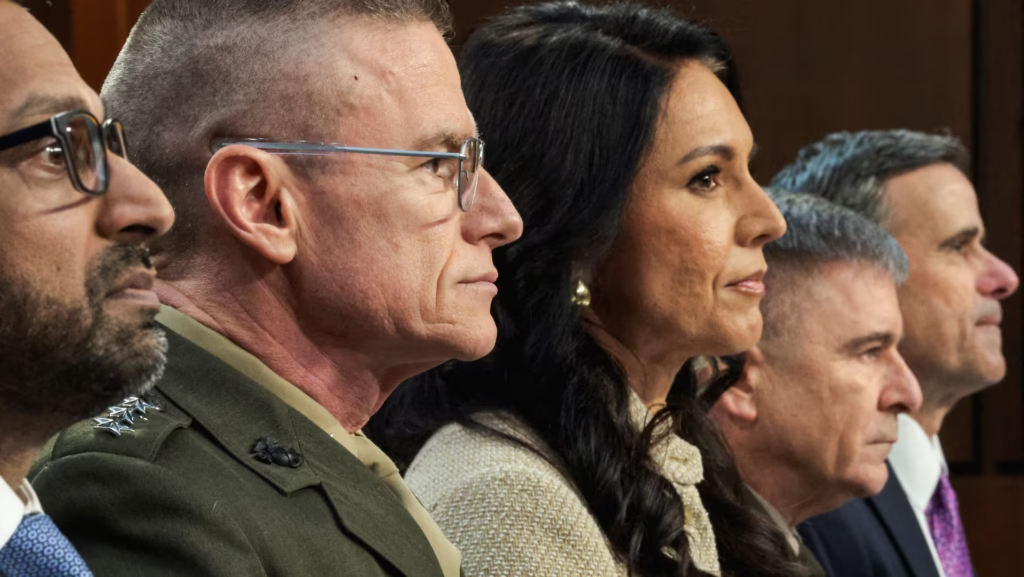
This resignation marks a notable first. No other cabinet member has stepped down over the Iran issue, making Kent’s move particularly significant.
That said, it may not be the last. History shows that early departures can sometimes trigger a ripple effect, especially when disagreements involve national security decisions.
In contrast, others within the administration have remained aligned with the current strategy, at least publicly. Whether that unity holds is another question entirely.
What Happens Next?
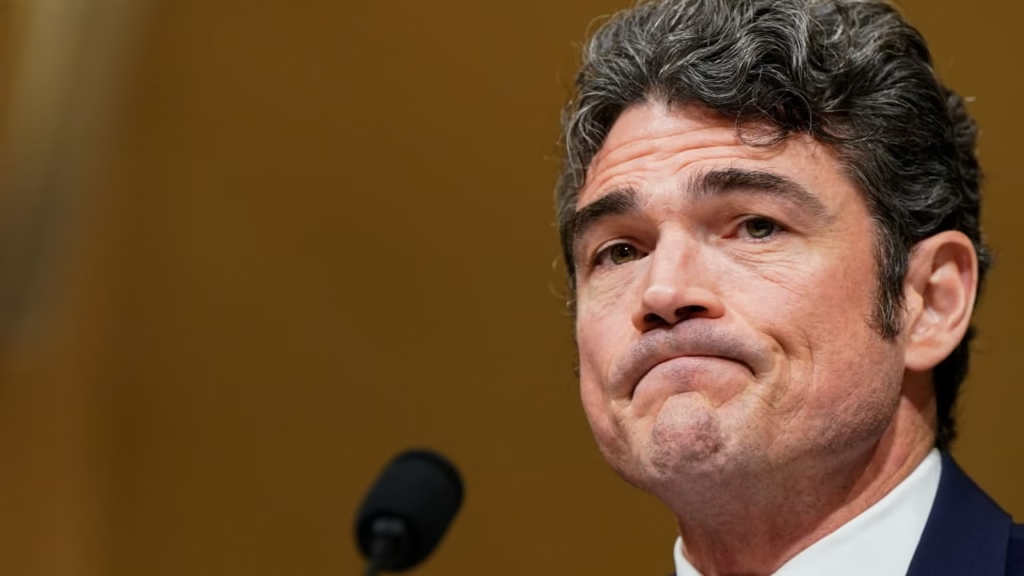
Kent’s exit leaves a gap not just in leadership, but in perspective. His departure removes a voice that challenged the prevailing narrative, and that absence could shape future decisions.
Meanwhile, attention now turns to who might replace him and whether they will echo the same concerns or support a different course.
For observers, the bigger issue remains unresolved. Is the push toward conflict based on solid intelligence, or is it driven by broader political calculations?
One thing is certain. This resignation has added fresh urgency to an already tense debate.