
Tensions across the Middle East surged again as the US-Israel war on Iran showed no clear path to de-escalation. Fresh strikes, conflicting diplomatic signals, and mounting casualties painted a volatile picture, raising urgent questions about whether peace efforts can gain any traction at all.
Iran Rejects Talks While US Insists Negotiations Continue

Iran forcefully dismissed any suggestion that it is engaging in peace negotiations with the United States, even as Washington claimed discussions were ongoing behind the scenes.
Iranian foreign minister Abbas Araghchi made the country’s stance clear on state television, saying his government had not entered talks to end the conflict and had no intention of doing so. “and we do not plan on any negotiations”.
He went further, framing diplomacy itself as weakness. “Speaking of negotiations now is an admission of defeat.”
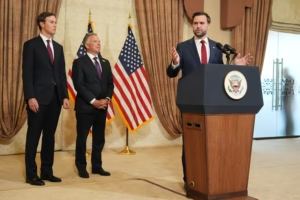
Meanwhile, the White House pushed a sharply different narrative. Press secretary Karoline Leavitt insisted dialogue had not only begun but was progressing. “Talks continue,” Karoline Leavitt said on Wednesday.” They are productive, as the president said on Monday, and they continue to be.”
Still, the warning from Washington carried a hard edge. Leavitt said that if diplomacy fails, Donald Trump “will ensure they are hit harder than they have ever been hit before”.
So which version is true? That question now sits at the center of global uncertainty.
China Sees Flicker of Hope Amid Chaos
Even as hostilities intensified, China signaled cautious optimism. Its foreign minister pointed to what he described as early signs of a diplomatic opening.
“With both the United States and Iran signalling a willingness to negotiate, a glimmer of hope for peace has emerged,” Wang told Egyptian foreign minister Badr Abdelatty.
Yet that optimism quickly collided with Iran’s own statements rejecting talks outright. The contradiction underscores how fractured and fragile any potential peace process remains.
Wang warned of the broader consequences if fighting continues. “Prolonging this war would only result in further casualties and needless losses, leading to a further spillover of the conflict.”
Israel Expands Military Operations Across Iran and Lebanon
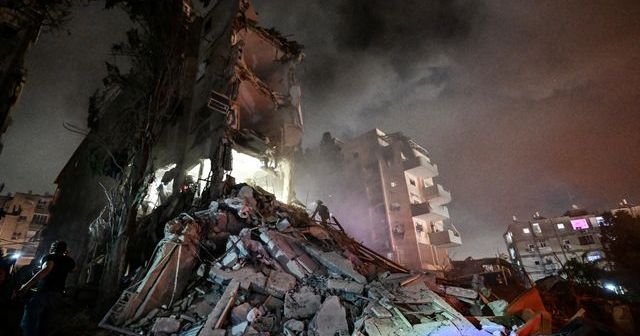
On the battlefield, Israel intensified its campaign, launching what it described as a sweeping wave of attacks across Iranian territory.
A military statement confirmed that Israeli forces “completed a wide-scale wave of strikes targeting infrastructure of the Iranian terror regime in several areas across Iran”.
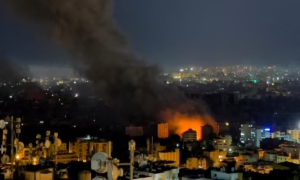
At the same time, operations expanded in Lebanon, where Israeli strikes and artillery fire hit multiple southern locations. Reports indicated casualties and widespread damage, while airstrikes targeted Beirut’s southern suburbs.
The situation on the ground remains dire. Lebanese authorities say more than 1,000 people have been killed in recent weeks, with over a million displaced.
Hezbollah Rejects Ceasefire as Fighting Spreads
Any hope of a pause in Lebanon also dimmed after Hezbollah outright rejected truce discussions.
Its leader, Naim Qassem, dismissed negotiations under fire as unacceptable. “When negotiations with the Israeli enemy are proposed under fire, this is an imposition of surrender.”
The group launched a barrage of attacks, claiming dozens of operations in a single day, while Israeli forces reported casualties among their ranks.
The escalation signals that the conflict is no longer contained, instead spilling across multiple fronts.
Trump Claims Iran Secretly Wants Deal
Adding another layer of complexity, Donald Trump claimed Iran is quietly seeking a deal but cannot admit it publicly.
“They are negotiating, by the way, and they want to make a deal so badly,” Trump said during a dinner with Republican lawmakers. “But they’re afraid to say it, because they figure they’ll be killed by their own people.”
That assertion directly contradicts Iran’s public stance, deepening confusion over what is really happening behind closed doors.
Oil, Economy, and Global Impact Intensify Pressure
Beyond the battlefield, the economic ripple effects are growing stronger.
Energy markets remain on edge, with fears surrounding the Strait of Hormuz. The chief executive of Abu Dhabi’s state oil company issued a stark warning, calling any disruption “economic terrorism”.
“When Iran holds Hormuz hostage, every nation pays the ransom, at the gas pump, at the grocery store, at the pharmacy,” Sultan Al Jaber said.
He added a blunt message to the global community. “No country can be allowed to destabilise the global economy in this way. Not now. Not ever.”
Across Asia, governments are already feeling the strain, with rising fuel prices forcing emergency measures and policy shifts.
Civilians Caught in the Middle of Relentless Conflict
While leaders trade warnings and missiles, ordinary people are struggling to maintain some sense of normal life.
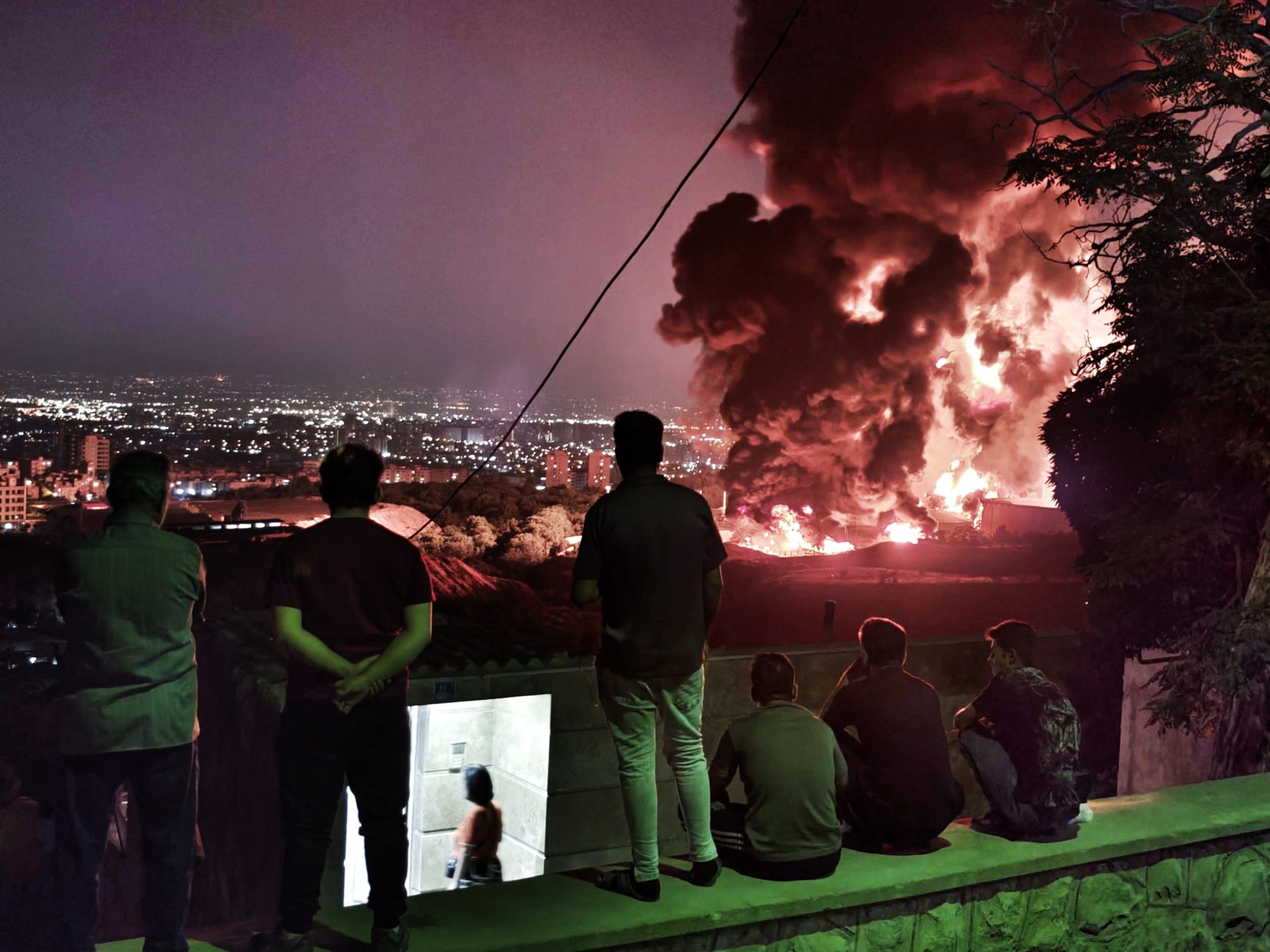
In Tehran, residents are attempting to carry on despite constant explosions and airstrikes. One local described the emotional toll. “More and more, people are starting to normalise this war,” said Farhad.
“It’s difficult, but we’re adapting and trying to return to our daily lives as much as possible. There’s no alternative. We’re tired. We just want peace.”
That exhaustion echoes across the region, where civilians bear the heaviest burden.
Rising Injuries and Human Cost Mount
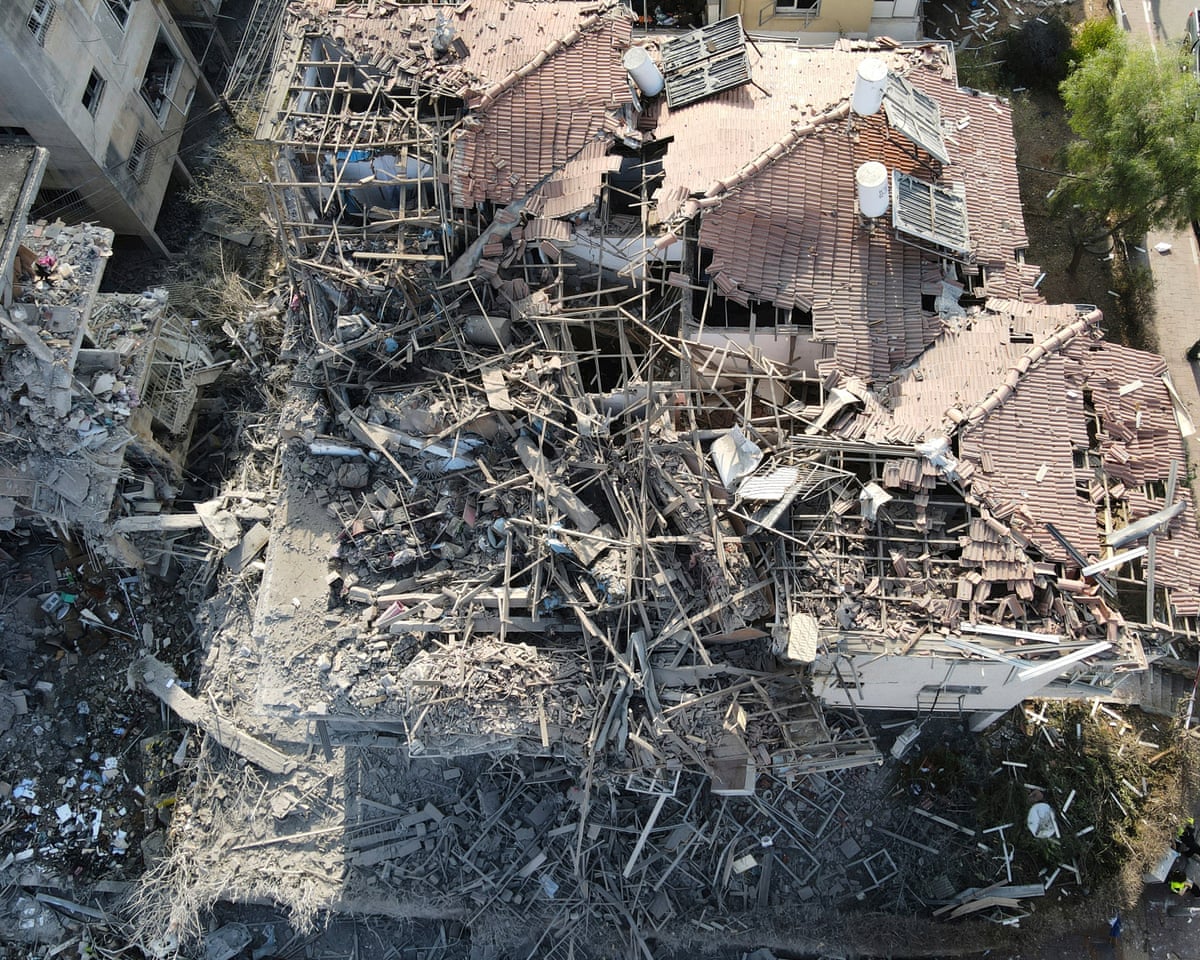
The human toll continues to climb. Israel’s health ministry reported that more than 5,000 people have been injured since the war began, with hundreds more hurt in just the past day.
Hospitals remain under pressure, and the number of serious cases continues to grow.
Each new strike adds to a grim tally, with no immediate sign of relief.
A War Without Clear End in Sight
Despite scattered diplomatic signals and global calls for restraint, the conflict shows little sign of slowing.
Competing narratives, expanding military operations, and entrenched positions on all sides have created a dangerous stalemate.
The question now is not just whether peace talks can begin, but whether any side is truly ready to make the concessions needed to end the war.
For now, the region remains locked in a cycle of escalation.