
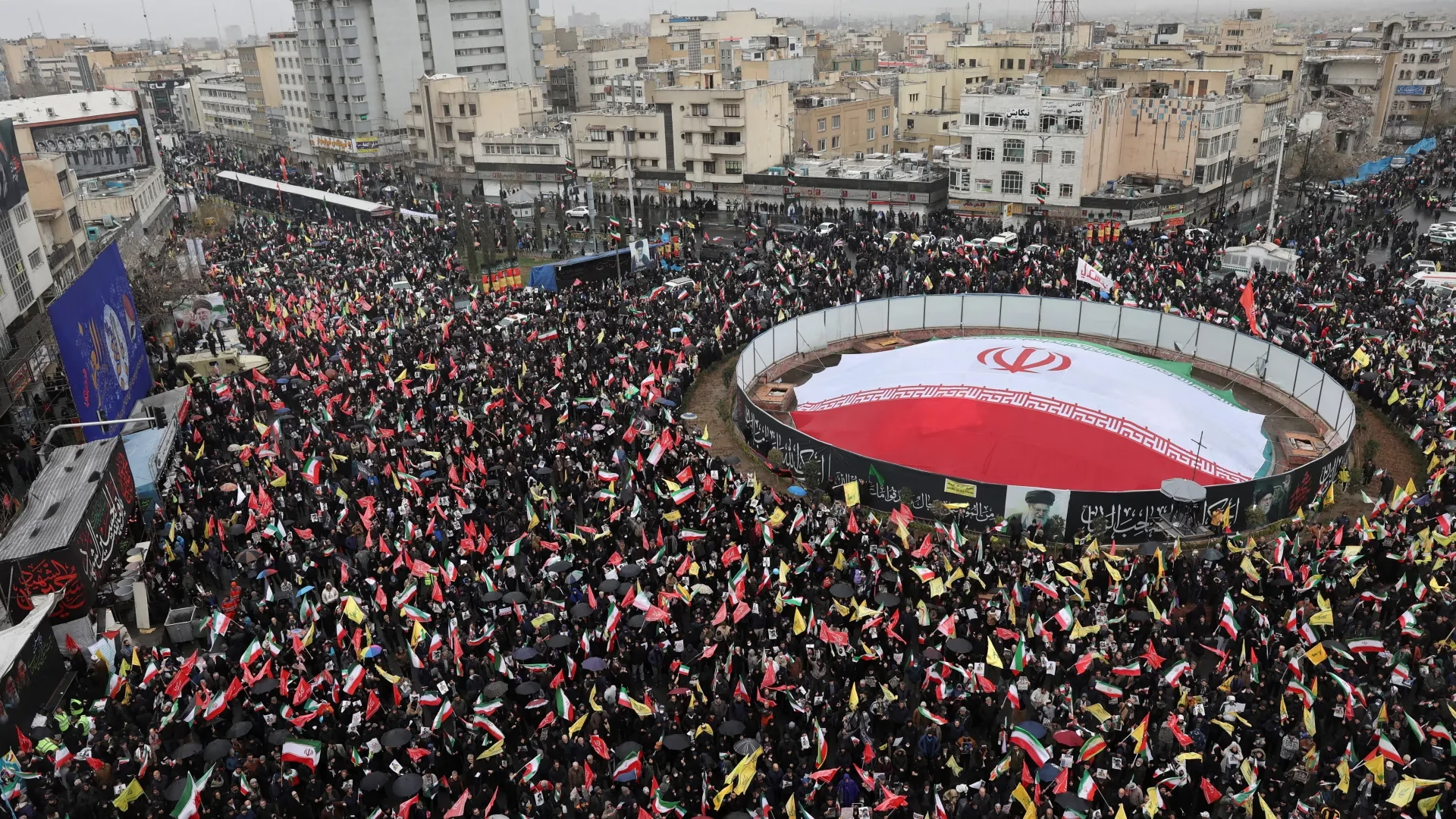
As conflict intensifies across the region, a darker story is unfolding inside Iran. Rights groups and international observers warn that the government is accelerating executions at a pace that could surpass last year’s already alarming numbers, raising urgent questions about what is really happening behind the headlines of war.
In just the first three months of 2026, the Iran Human Rights Society reports at least 657 executions. That figure alone places the country on track to exceed its previous record, signaling what critics describe as a systematic attempt to silence dissent.
Rising Executions Amid Wartime Chaos
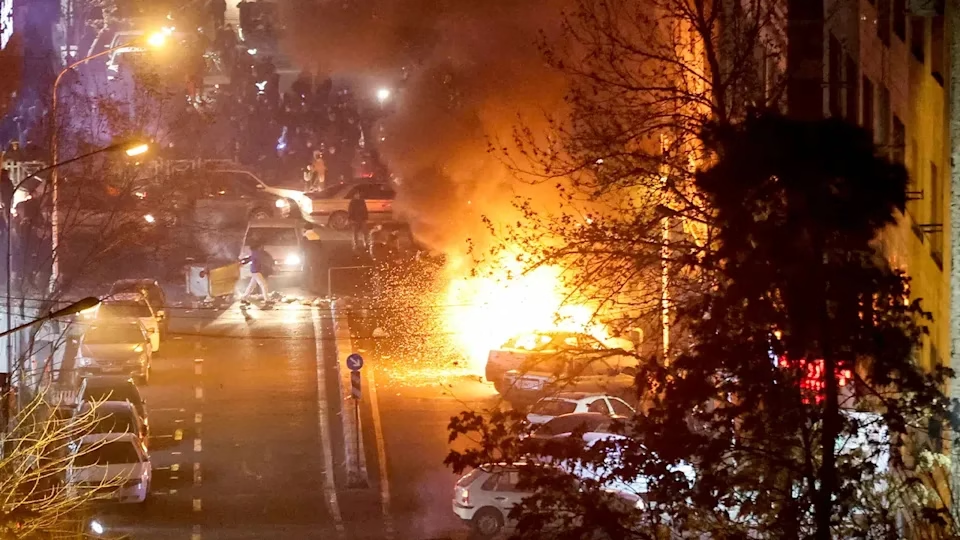
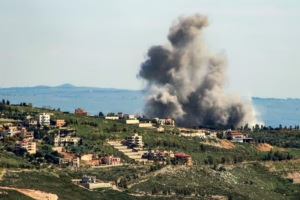
While global attention remains fixed on escalating tensions involving United States and Israel, analysts argue the regime is using the chaos as cover.
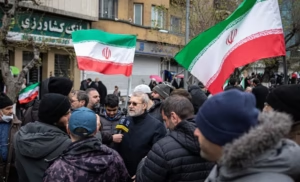
According to critics, authorities appear determined to crush opposition following widespread anti-government protests that rattled leadership earlier this year. Those demonstrations reportedly led to tens of thousands of deaths at the hands of security forces and militias.
Meanwhile, outrage intensified in March after the execution of 19-year-old wrestler Saleh Mohammadi, drawing condemnation from Donald Trump and others.
International Alarm Over ‘Barbaric’ Actions
A spokesperson for the U.S. State Department did not mince words when addressing the situation, stating, “This latest barbaric act is more evidence of why the regime can never be allowed the advanced capabilities that we are destroying.”
At the same time, the United Nations is raising serious concerns about the pace and purpose of these executions.
Mai Sato, the UN special rapporteur on human rights in Iran, reported that at least six executions occurred by March 30, with two more on March 31. However, she warned the true number may be higher due to restricted access to information.
She noted that “due to the internet blackout, it is unclear who else has been executed or are at risk of execution.”
Still, her assessment was blunt: “What is clear is that the death penalty is being used as a tool for suppressing political opposition in wartime conditions.”
Crackdown Targets Protesters And Dissidents
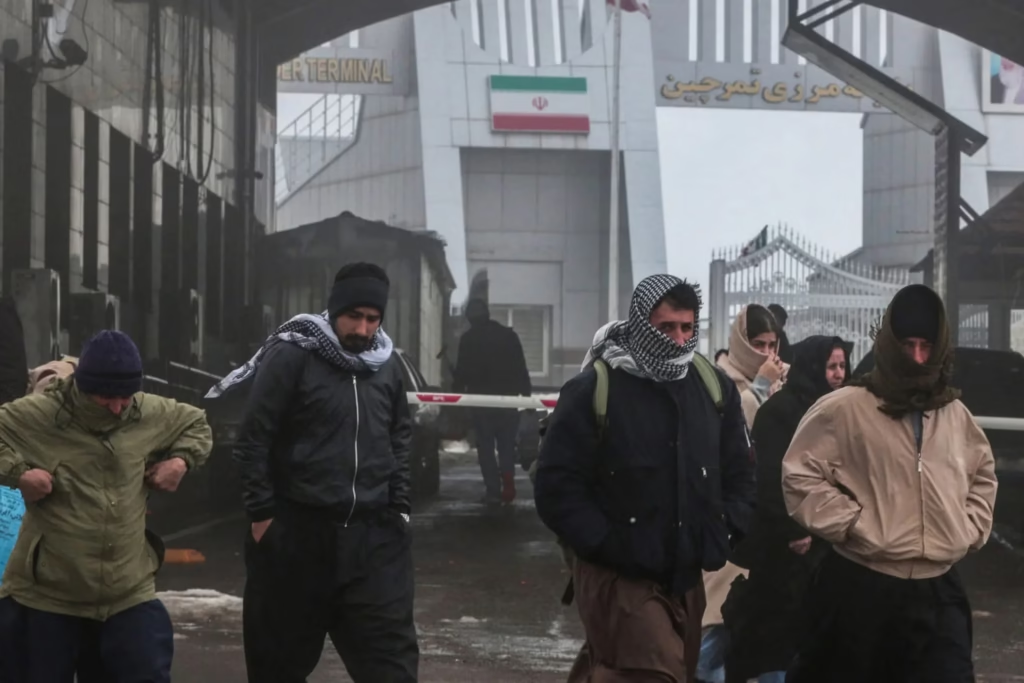
Details emerging from opposition groups paint a grim picture of targeted repression.
The National Council of Resistance of Iran reported that several members of the People’s Mojahedin Organization of Iran were executed after being transferred from prison.
Among them were Mohammad Taghavi and Akbar Daneshvarkar, who were moved from Ghezel Hesar prison on March 29 and executed the next morning. Days later, Babak Alipour and Pouya Ghobadi were also put to death, while two others remain at risk.
Ali Safavi urged “urgent action” to save those still facing execution.
Meanwhile, Maryam Rajavi described the executions as a sign of instability within the regime. She stated that the March 31 killings “reflects the clerical regime’s fear and desperation.”
She went further, calling on the international community to take stronger steps, including “practical and effective measures, including the closure of embassies and the expulsion of the regime’s terrorist diplomats and agents.”
Internet Blackout Raises Fears Of Hidden Abuses
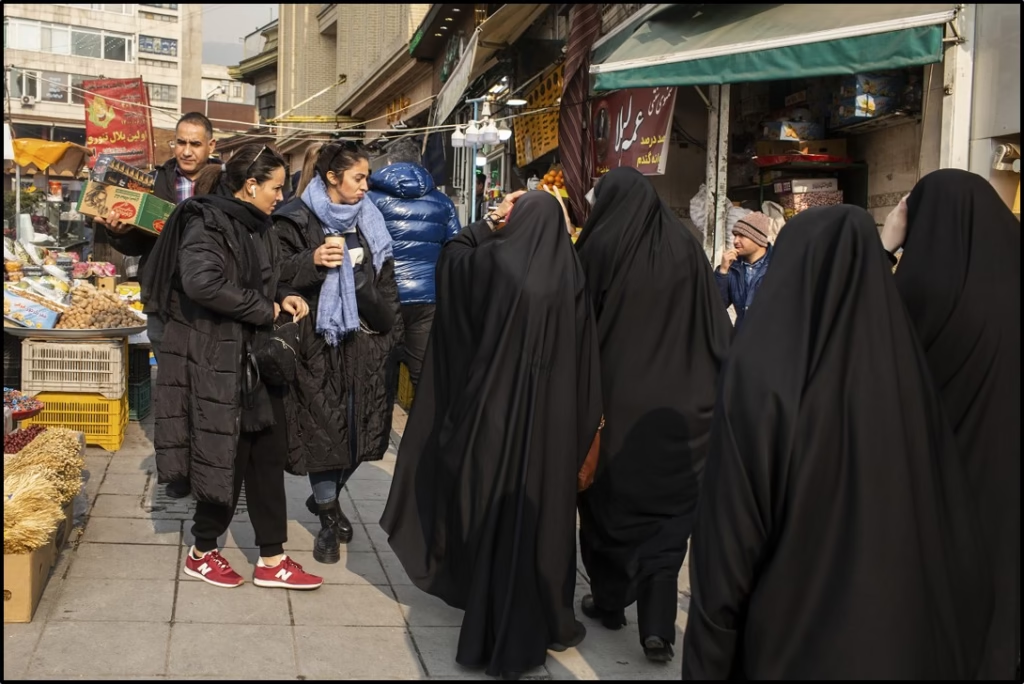
Compounding concerns, an ongoing internet blackout inside Iran is making it increasingly difficult to verify information or track the full scale of the crackdown.
Observers warn that limited access to communication tools could be concealing additional executions or detentions. As a result, human rights organizations fear the official numbers may represent only a fraction of the reality.
A Pattern Of Systematic Intimidation
This surge is not happening in isolation. The United Nations Office of the High Commissioner for Human Rights previously reported that the Iranian government carried out “at least” 1,500 executions in 2025.
According to the high commissioner, “the scale and pace of executions suggest a systematic use of capital punishment as a tool of State intimidation, with disproportionate impact on ethnic minorities and migrants.”
Likewise, Amnesty International has sounded the alarm, warning that five “young protesters” now “face the imminent risk of execution,” after being moved “to an unidentified location.”
A Nation Under Watch
As the conflict continues to dominate global headlines, the situation inside Iran is drawing growing scrutiny.
However, with restricted information flow and mounting reports of repression, the full extent of the crisis remains uncertain.
What is clear, according to rights groups and international observers, is that the intersection of war and internal crackdowns is creating a volatile and deeply troubling moment for the country.