
A fragile moment of diplomacy is beginning to take shape as tensions between the United States and Iran show early signs of easing. With global markets reacting and political observers watching closely, a proposed peace framework from Tehran has now entered the spotlight, raising a critical question: could this finally slow the escalation?
Iran’s 10-Point Proposal Takes Center Stage
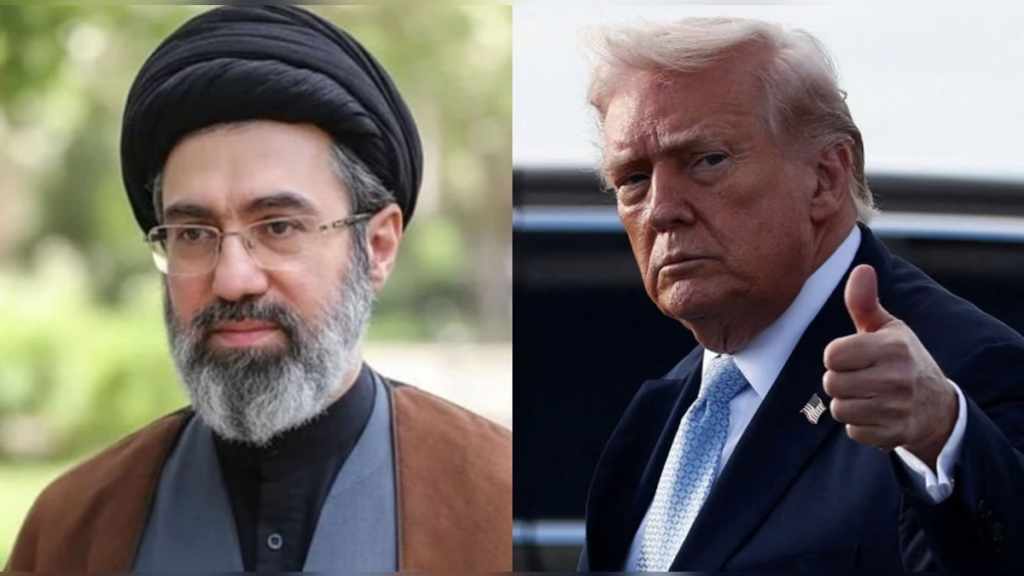
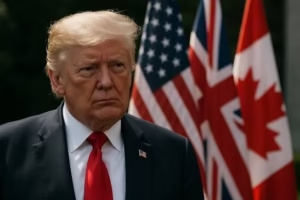
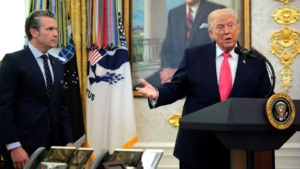
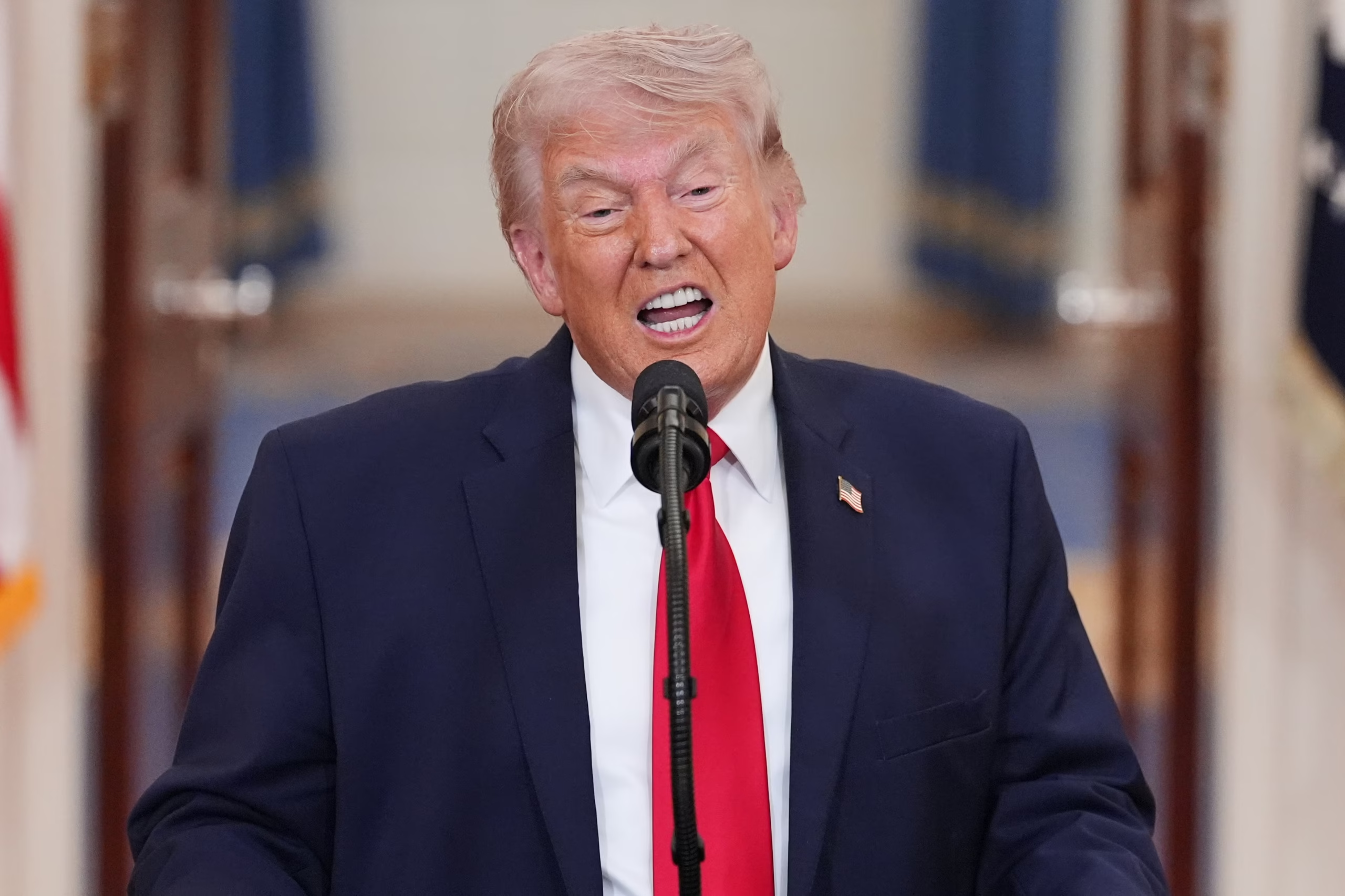
President Donald Trump revealed that Iran has submitted a structured peace proposal, signaling a potential shift toward negotiations after heightened tensions in the region.
In a social media post, Trump described the proposal as “is a workable basis on which to negotiate.”
That brief but telling statement has fueled cautious optimism. Meanwhile, it suggests that behind-the-scenes diplomacy may already be underway.
Iranian-Backed Outlet Publishes Key Details
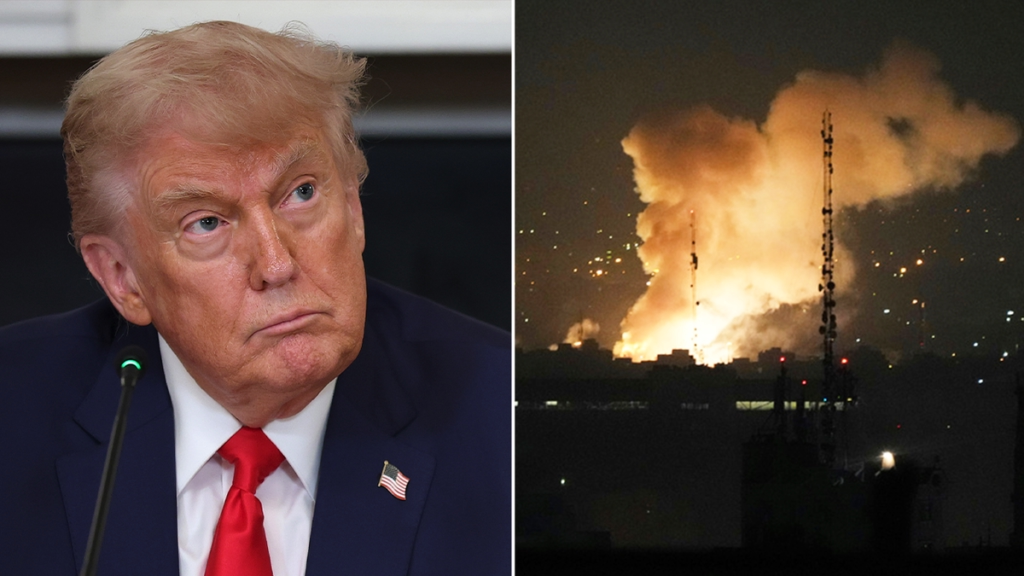
Details of the proposal surfaced through Nour News, a publication linked to Iran’s Supreme National Security Council.
The outlet reported that the plan consists of ten points aimed at de-escalation and structured dialogue. However, the full breakdown of those points remains behind a subscription wall, leaving analysts and policymakers piecing together the broader implications.
Still, the mere existence of a formal proposal marks a significant development. It indicates that Iran is not only signaling willingness to talk but is also presenting a framework for how those talks could proceed.
Symbolism Reflects Ongoing Tensions
Even as diplomacy unfolds, the underlying tensions have not disappeared.
A powerful scene outside the White House showed the Washington Monument framed through Iran’s flag during a protest against potential military action. The image captured the uneasy balance between conflict and negotiation, a reminder that public sentiment remains deeply divided.
Markets React To Cease-Fire Optimism
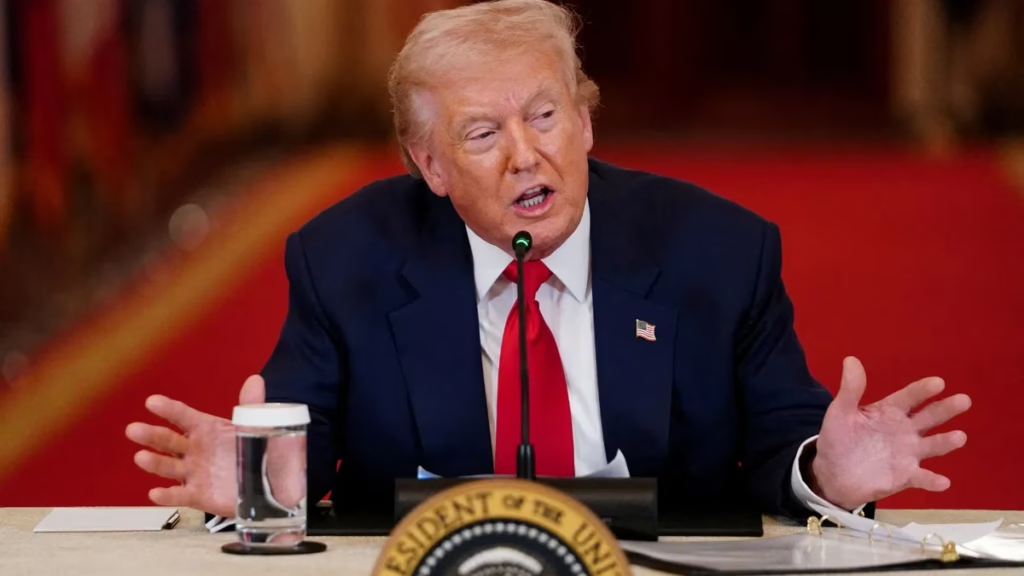 Meanwhile, financial markets are already responding to the possibility of reduced conflict.
The U.S. dollar slipped, while Treasury yields moved lower. Investors appear to be betting, at least cautiously, that diplomacy may prevent further escalation in the Middle East.
A Critical Window For Diplomacy
The coming days could prove decisive. A two-week cease-fire window, if formally agreed upon, may offer both sides a rare opportunity to test diplomatic waters without immediate escalation.
However, questions remain. Will the proposal translate into concrete agreements? And can both sides maintain trust long enough to build lasting progress?
For now, the tone has shifted, from confrontation to cautious conversation.