
In a moment packed with both promise and tension, the United States and Iran have stepped into direct negotiations in Islamabad, marking a rare and significant diplomatic breakthrough. For the first time in decades, senior officials from both sides are meeting face-to-face, with Pakistan acting as the crucial intermediary.
The stakes could not be higher. While the talks signal a potential opening, deep mistrust and conflicting goals continue to cast a long shadow over any hopes for lasting progress.
Historic Talks Begin In Islamabad
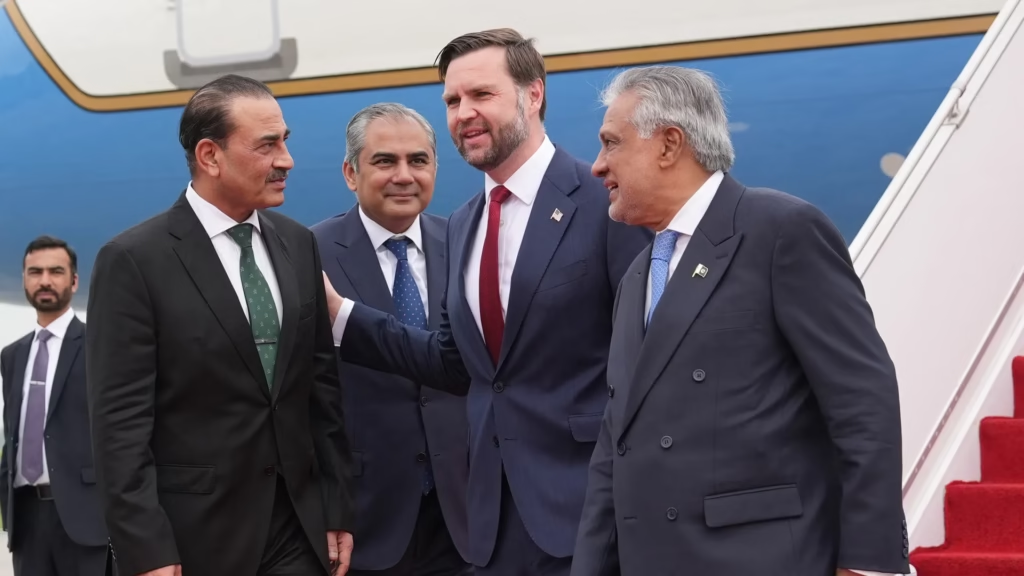
Direct negotiations between Washington and Tehran officially began Saturday in Islamabad, according to a White House official.
This meeting stands out as the highest-level engagement between the two nations since the Iranian Revolution, a turning point that reshaped relations for generations. That history alone makes the current talks extraordinary.
Yet even as both sides sit across the table, optimism remains cautious. Diplomats understand what is at stake. Success could ease years of hostility. Failure, however, risks pushing the region closer to renewed conflict.
High-Level Delegations Face Off
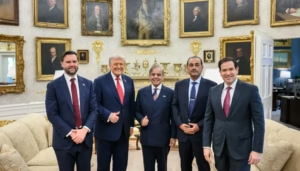
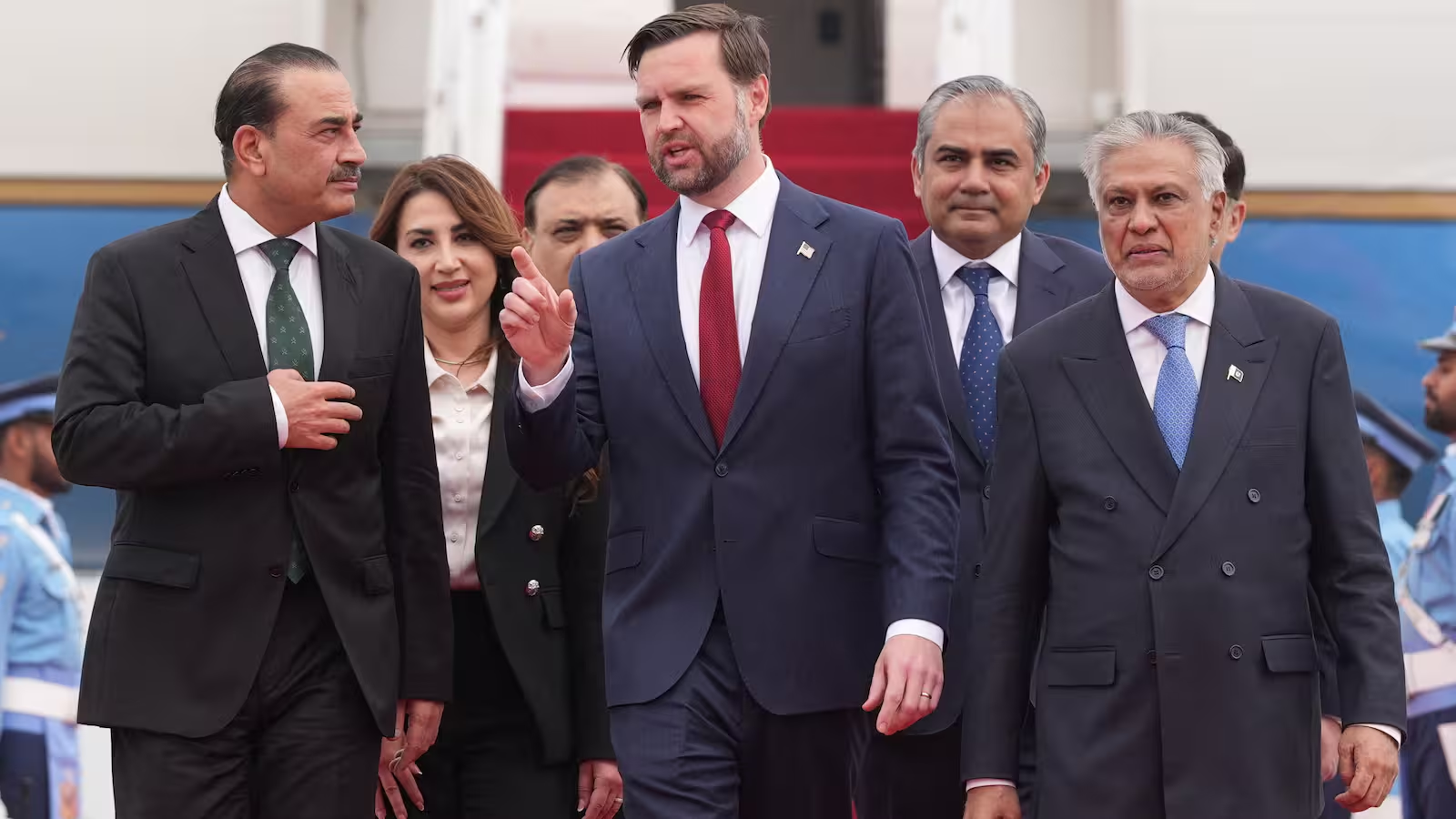
Leading the U.S. delegation is JD Vance, joined by key figures including envoy Steve Witkoff and senior adviser Jared Kushner.
On the Iranian side, Parliament Speaker Mohammad Bagher Ghalibaf heads the delegation, alongside Foreign Minister Abbas Araghchi.
Meanwhile, Pakistan’s leadership is deeply involved in facilitating the process, with Prime Minister Shehbaz Sharif and Foreign Minister Ishaq Dar present during the discussions.
“Trilateral Face To Face Meetings”
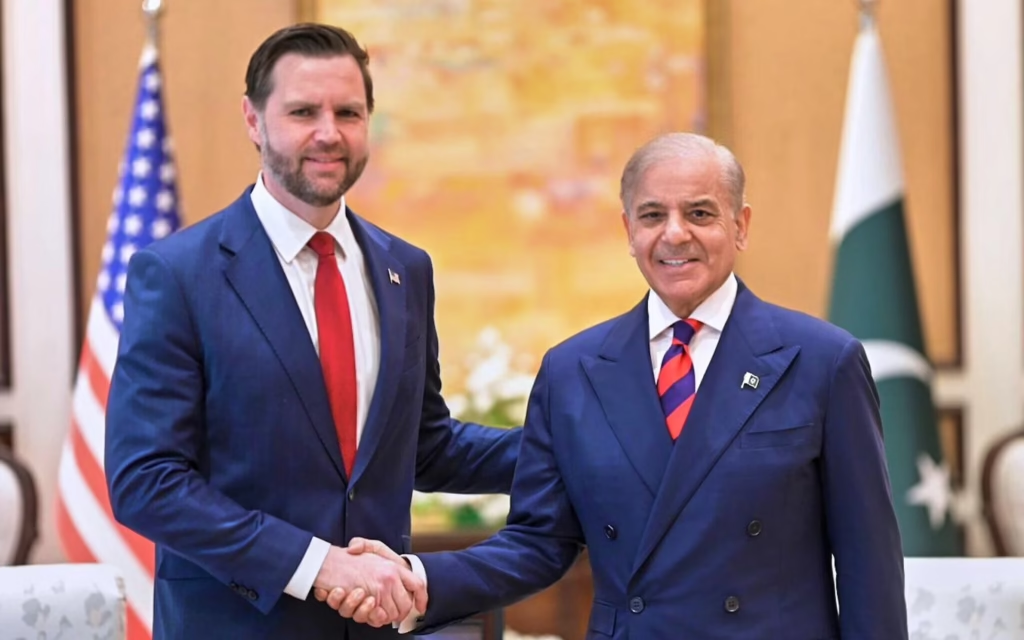
As negotiations got underway, a White House official confirmed the scale and structure of the talks.
“The U.S., Pakistan and Iran are holding a trilateral face to face meetings today in Islamabad,” the White House official said.
The involvement of multiple delegations underscores the complexity of the issues on the table. These are not routine diplomatic talks. They are layered, technical, and politically sensitive.
Experts And Backchannel Support
Behind the scenes, an extensive team is supporting the negotiations, both on the ground and from Washington.
“A full suite of U.S. experts on relevant subject areas are present in Islamabad. Additional experts are supporting from Washington”, the White House official said.
This level of preparation highlights just how serious the U.S. is about navigating the intricate details of the discussions. From security concerns to economic considerations, every angle is being examined.
Quiet Diplomacy Before Direct Talks
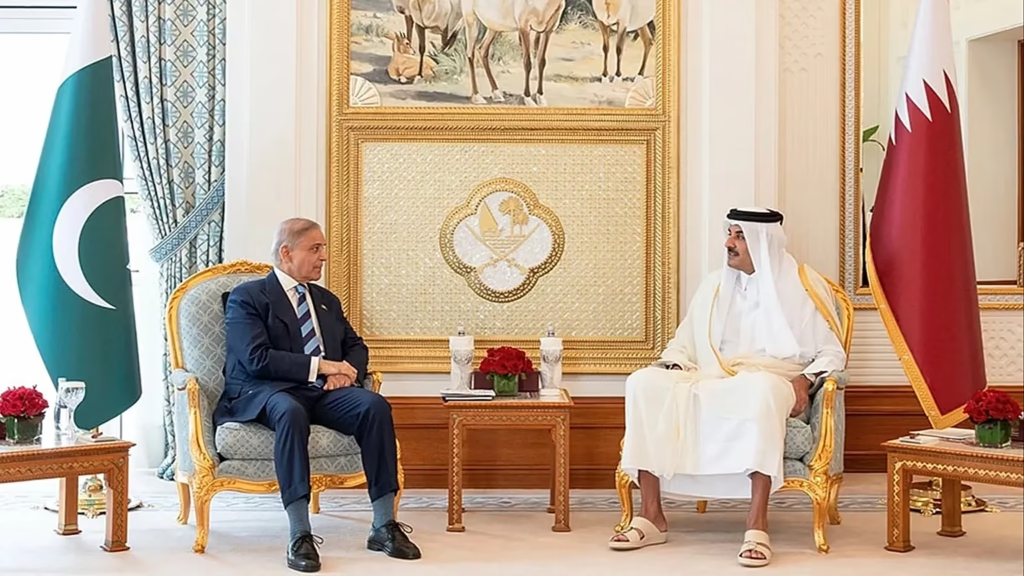
Interestingly, the face-to-face meeting did not begin immediately. Before sitting down together, each delegation communicated indirectly through separate meetings with Prime Minister Sharif.
This step-by-step approach reflects the fragile nature of the dialogue. Trust is limited, and even small procedural moves carry weight.
Still, the shift from indirect messaging to direct negotiation marks a notable turning point.
Conflicting Claims And Uncertain Signals
As the talks unfolded, differing narratives quickly emerged.
Iranian media reported that Tehran agreed to direct negotiations after progress in earlier indirect discussions. They also claimed assurances were given that Israel would restrain its military actions in Beirut and southern Lebanon.
However, uncertainty surrounds those claims. There has been no clear confirmation that such commitments were formally made.
At the same time, Iranian outlets suggested that Washington agreed to release frozen Iranian funds. That claim was swiftly rejected.
A U.S. official denied that.
A Fragile Path Forward
So where does this leave things?
On one hand, direct engagement itself is a breakthrough. Decades of hostility have made even basic dialogue difficult. On the other, the gap between both sides remains wide.
Can diplomacy bridge it?
That question now hangs over Islamabad. The outcome of these talks may shape regional stability for years to come.